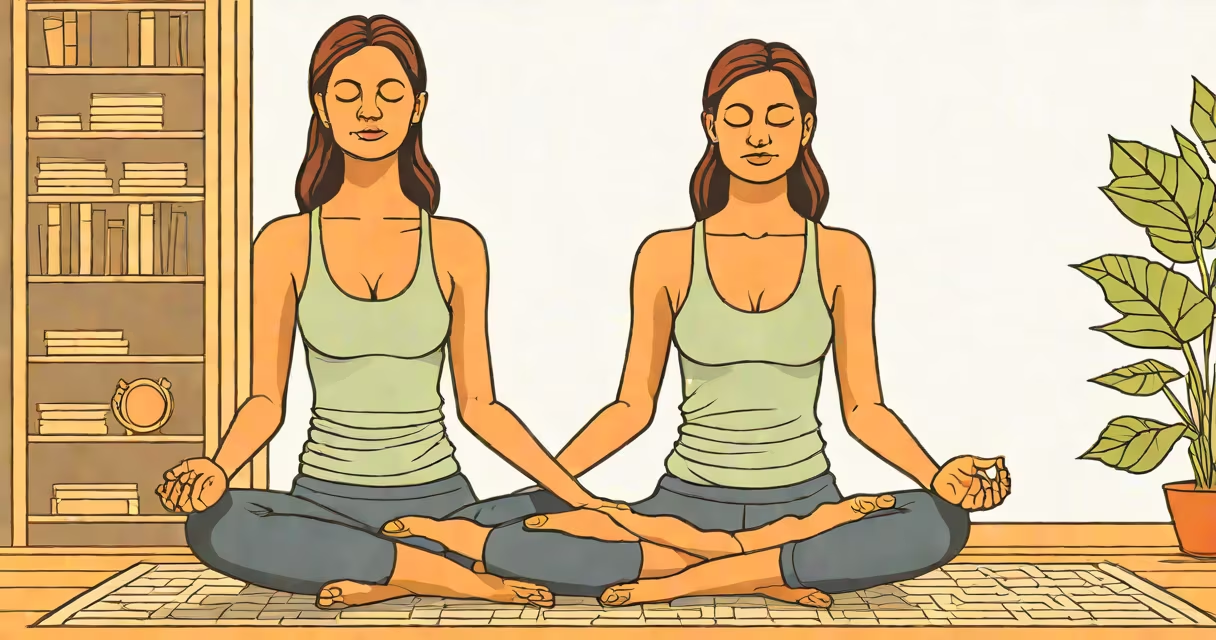
meditation for back pain is a mind-body practice that uses focused attention and breath awareness to reduce physical tension and improve pain perception. It involves sitting quietly, observing sensations without judgment, and redirecting mental focus away from discomfort. Regular practice lowers stress hormones linked to muscle tightness and enhances neural pathways that modulate pain signals.
Back pain often stems from both physical strain and psychological factors like anxiety or poor posture. Meditation addresses both. By training attention to stay present, it reduces rumination on pain and prevents the cycle of fear and avoidance that worsens chronic symptoms. Studies from the National Institutes of Health confirm that mindfulness-based interventions reduce back pain severity and improve function over time.
One 2020 randomized controlled trial published in JAMA Internal Medicine found participants who practiced 30 minutes of daily meditation for eight weeks reported a 35% reduction in pain intensity compared to controls. The group also showed improved sleep quality and reduced reliance on pain medication. These results were consistent across individuals with both acute and chronic back pain.
Meditation alters brain activity in regions associated with pain processing. Functional MRI scans reveal decreased activation in the anterior cingulate cortex and insula-areas involved in emotional response to pain-during mindful observation. This means the brain interprets pain signals differently, reducing their perceived threat.
Stress activates the sympathetic nervous system, increasing cortisol and muscle tension. Meditation triggers the parasympathetic nervous system, promoting relaxation and lowering heart rate. A 2018 study in Psychosomatic Medicine demonstrated that just 10 minutes of daily mindfulness reduced cortisol levels by 20% in adults with persistent back pain.
When practiced consistently, meditation strengthens interoception-the ability to sense internal bodily states. This allows people to detect early signs of muscle tightening before pain escalates. For example, someone noticing subtle stiffness in the lower back during a five-minute breathing exercise can adjust posture or stretch before discomfort begins.
Not all meditation styles are equally effective for back pain. The most supported approaches fall under mindfulness-based practices, which emphasize non-judgmental awareness of the present moment.
| Type | Key Features | Best For |
|---|---|---|
| Body Scan | Systematic attention to each body part, starting from toes to head | Identifying tension patterns, improving body awareness |
| Open Monitoring | Observing thoughts, sounds, and sensations without reaction | Reducing mental fixation on pain, building emotional resilience |
| Focused Attention | Concentrating on breath, a mantra, or a single sensation | Calming racing thoughts, improving concentration during flare-ups |
Guided meditations specifically designed for back pain are widely available through apps like Insight Timer and Calm. These typically last 10-20 minutes and include verbal cues such as "Notice where your spine meets the chair" or "Feel the air moving in and out of your lower back."
A common misconception is that meditation requires emptying the mind. In reality, success lies in acknowledging thoughts and gently returning focus to the breath or body. One participant in a clinical trial described the process as "not stopping pain, but changing my relationship to it."
Begin with five minutes daily in a quiet space. Sit upright on a cushion or chair, feet flat on the floor. Close your eyes or soften your gaze. Focus on the natural rhythm of your breath at the abdomen. When thoughts arise-about work, past injuries, or future discomfort-acknowledge them and return to the breath.
After two weeks, extend sessions to 15 minutes. Incorporate a body scan: mentally move through each region, from feet to scalp, noting warmth, pressure, or tingling. If pain arises in the lower back, don't avoid it. Label it as "tension," "aching," or "pressure," then return to the breath. This builds tolerance and reduces fear-based reactions.
For example, Sarah, a 42-year-old office worker with chronic lower back pain, began with 10-minute sessions using a free guided audio from the University of Massachusetts Medical School's Mindfulness-Based Stress Reduction program. After six weeks, she reported fewer days missing work due to pain and improved ability to stand during meetings. She noted, "I still feel pain, but I'm not fighting it anymore."
Many assume meditation must be done in silence or require special equipment. That's false. Background noise, like a fan or soft music, doesn't disrupt practice. Using headphones with a recorded session is helpful, but not required. Even walking meditation-focused attention while moving slowly-can relieve back pain by integrating movement with awareness.
Another error is expecting immediate results. Pain reduction typically takes four to six weeks of consistent practice. A 2021 review in Pain Medicine found that benefits plateaued after eight weeks, with sustained improvements seen at three months. Skipping days leads to diminished returns. Consistency matters more than duration.
Some confuse meditation with visualization techniques that imagine healing light or energy flow. While these may provide temporary comfort, they lack evidence for long-term pain modulation. Evidence-based meditation focuses on present-moment awareness, not fantasy or imagery.
Meditation complements medical treatment but doesn't replace it. If back pain persists beyond four weeks despite daily practice, consult a healthcare provider. Imaging or physical therapy may be needed to rule out structural issues like herniated discs or spinal stenosis.
People with recent trauma, severe depression, or PTSD should work with a trained therapist before beginning mindfulness programs. Some report increased anxiety or emotional flooding during body scans. A qualified instructor can adapt techniques to prevent distress.
meditation for back pain is not a cure-all, but a proven tool for managing chronic discomfort. It shifts attention from suffering to presence, reducing the emotional burden of pain. With regular practice, individuals gain greater control over their experience and improve well-being.