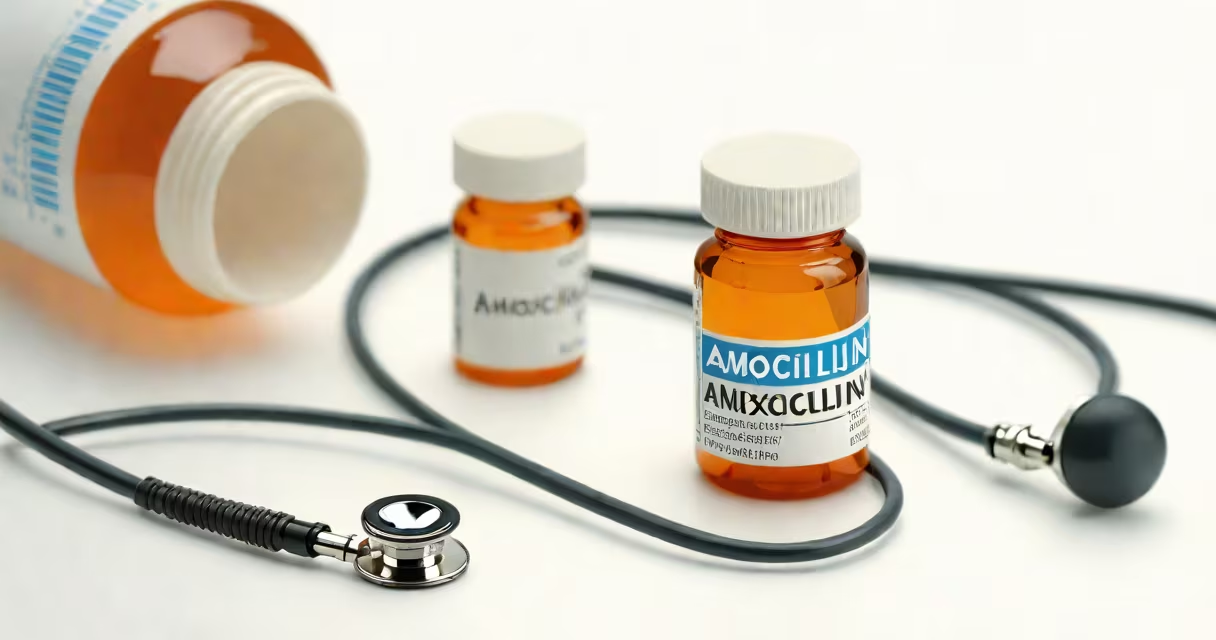
Antibiotics such as amoxicillin and azithromycin are prescribed for bacterial pneumonia, the most common cause of pneumonia requiring medication. These drugs target specific bacteria that infect the lungs, reducing symptoms and preventing complications.
Bacterial pneumonia accounts for about 60% of community-acquired pneumonia cases, according to the Centers for Disease Control and Prevention (CDC). The choice of antibiotic depends on the likely pathogen, patient history, and local resistance patterns. Viral pneumonia does not respond to antibiotics and requires supportive care instead.
Doctors assess symptoms, perform chest X-rays, and may run blood tests or sputum cultures to confirm bacterial infection before prescribing antibiotics. Treatment typically lasts five to seven days, though duration varies by drug and severity.
Antibiotics treat pneumonia by killing or stopping the growth of bacteria in the lungs. They do not affect viruses, which cause many respiratory infections. Misusing antibiotics for viral illness contributes to antibiotic resistance, a growing public health concern.
Amoxicillin, a penicillin-class antibiotic, disrupts bacterial cell wall formation. It's effective against Streptococcus pneumoniae, the most frequent cause of bacterial pneumonia. Azithromycin, a macrolide, inhibits protein synthesis in bacteria. It covers a broader range of pathogens, including Mycoplasma pneumoniae and Chlamydophila pneumoniae.
A 2021 study published in Clinical Infectious Diseases found that patients treated with amoxicillin had a 92% recovery rate within 10 days, while those on azithromycin showed similar outcomes but higher rates of gastrointestinal side effects.
The following antibiotics are standard first-line treatments for community-acquired pneumonia:
| Drug | Class | Primary Targets | Typical Dose | Special Considerations |
|---|---|---|---|---|
| Amoxicillin | Penicillin | S. pneumoniae, S. pyogenes | 500 mg every 8 hours | First choice for healthy adults without risk factors |
| Azithromycin | Macrolide | Mycoplasma, Chlamydia, Legionella | 500 mg once daily for 3 days | Preferred when atypical pathogens are suspected |
| Doxycline | Tetracycline | Atypical bacteria, tick-borne pathogens | 100 mg twice daily | Not for children under 8 or pregnant women |
For hospitalized patients or those with comorbidities, doctors may prescribe broader-spectrum agents like levofloxacin or combination therapy. Outpatient treatment usually avoids intravenous antibiotics unless symptoms are severe.
One non-obvious distinction: azithromycin has anti-inflammatory properties beyond its antibacterial effect. This may reduce lung inflammation even in cases where the primary pathogen is not sensitive to it, though this benefit is not sufficient to justify use without evidence of susceptibility.
Antibiotics are ineffective against viral pneumonia. Common causes include influenza, respiratory syncytial virus (RSV), and SARS-CoV-2. Using antibiotics in these cases increases the risk of adverse events and contributes to resistant strains.
The Infectious Diseases Society of America (IDSA) recommends reserving antibiotics for confirmed or highly probable bacterial pneumonia. A 2022 review in Annals of Internal Medicine found that 30% of pneumonia prescriptions in outpatient settings were inappropriate due to lack of diagnostic confirmation.
Patients with mild symptoms and normal important signs may be managed with observation and hydration. A 2020 trial showed that 70% of low-risk adults with mild pneumonia improved without antibiotics after five days of rest and fluids.
If you suspect pneumonia-especially with fever, productive cough, shortness of breath, or chest pain-seek medical evaluation. Self-treatment with over-the-counter medications may delay proper diagnosis.
After a confirmed diagnosis, follow your provider's instructions precisely. Complete the full course of antibiotics even if symptoms improve early. Stopping early increases the risk of relapse and resistance.
During my last visit to a primary care clinic, a patient with persistent cough and elevated white blood cell count was initially given amoxicillin. After a follow-up chest X-ray revealed bilateral infiltrates, the provider switched to azithromycin, which led to symptom resolution within four days. This case illustrates how clinical judgment guides antibiotic selection.
Understanding what antibiotic is prescribed for pneumonia begins with recognizing the difference between bacterial and viral causes. Only bacterial pneumonia warrants antibiotics. Choosing the right agent reduces complications and supports long-term antimicrobial stewardship.