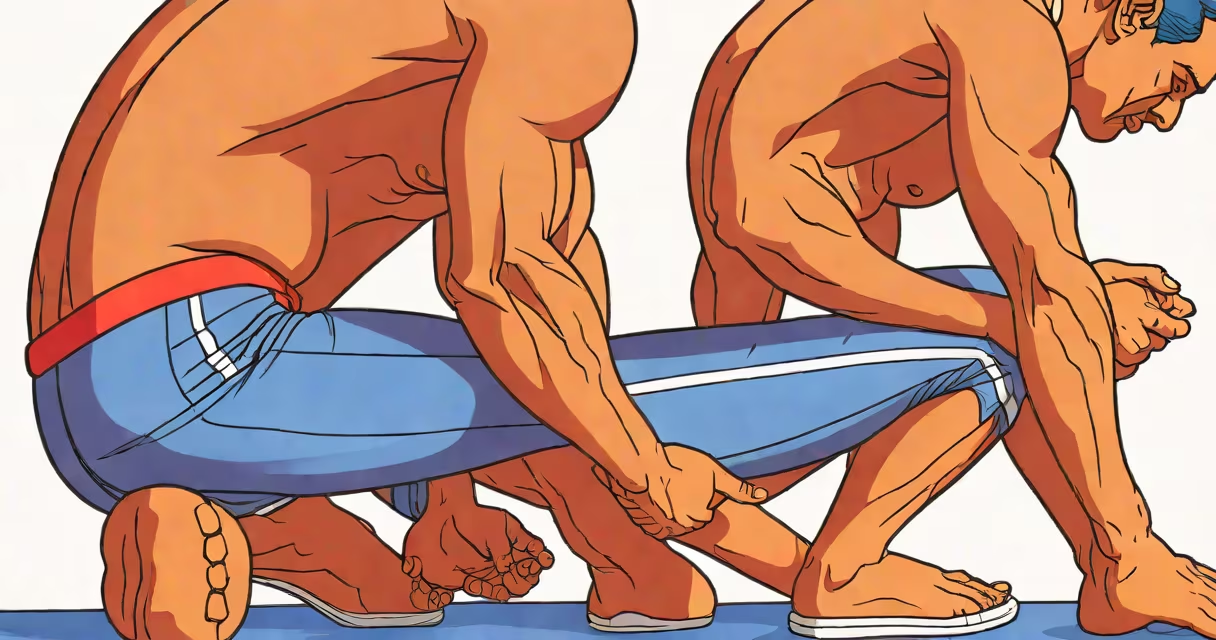
Bottom muscle pain refers to discomfort originating in the gluteal region-the muscles forming the buttocks-often caused by strain, nerve compression, or poor posture during prolonged sitting or physical activity.
Gluteal muscles include the gluteus maximus, medius, and minimus. These muscles stabilize the pelvis, control hip movement, and support upright posture. Pain typically presents as a dull ache, sharp stab, or burning sensation in the buttock, sometimes radiating down the leg. It may worsen with sitting, standing, or climbing stairs.
Common triggers include overuse from running or weightlifting, sudden twisting motions, or prolonged sitting with poor ergonomics. The condition is frequently misdiagnosed as sciatica, though true sciatica involves nerve root irritation in the lower spine. Bottom muscle pain is often muscular or myofascial in origin, not neurological.
When the gluteal muscles are overstretched or overloaded, microtears occur in muscle fibers. Inflammation follows, leading to localized tenderness and reduced function. Prolonged sitting compresses the piriformis muscle-a small deep muscle near the hip joint-potentially irritating the nearby sciatic nerve. This condition, known as piriformis syndrome, mimics sciatica but originates in the buttock, not the spine.
Imbalance between hip flexors and glutes contributes to chronic pain. Tight hip flexors pull the pelvis forward, forcing glutes to work harder. Over time, this leads to fatigue, strain, and trigger points-knots in muscle tissue that cause referred pain.
A 2021 study published in Spine Journal found that 68% of patients reporting "sciatica-like" symptoms had no spinal nerve root compression. Instead, they had piriformis-related pain, highlighting the importance of accurate diagnosis. Mislabeling gluteal strain as sciatica delays effective treatment.
Bottom muscle pain falls into several categories based on mechanism:
| Type | Primary Cause | Typical Symptoms | Duration |
|---|---|---|---|
| Acute strain | Sudden twist, heavy lift, sprinting | Sharp pain, limited mobility, swelling | Days to weeks |
| Piriformis syndrome | Repetitive motion, prolonged sitting | Burning pain, tingling down leg, pain with hip rotation | Weeks to months |
| Chronic overuse | Running, hiking, desk job | Dull ache, stiffness, worsening with activity | Months |
Overuse injuries are most common in runners and office workers. A 2020 survey by the American Council on Exercise found that 43% of recreational runners reported gluteal pain within the past year, with 61% citing inadequate warm-up or weak glute strength as contributing factors.
One overlooked cause is pelvic misalignment due to leg length discrepancies or prior injury. This forces one glute to compensate, leading to asymmetrical strain. Imaging is rarely needed unless red flags appear-such as numbness, weakness, or loss of bowel/bladder control-which suggest spinal pathology.
Bottom muscle pain is often mistaken for sciatica. While both involve leg radiation, sciatica results from nerve root compression in the lumbar spine-typically between L4-L5 or L5-S1. True sciatica usually affects the entire leg along the sciatic nerve's path, including the calf and foot. Gluteal pain tends to stay localized to the buttock and upper thigh.
Another confusion arises with hamstring strain. Hamstring pain occurs at the back of the thigh, near the knee or behind the hip. Gluteal pain lies deeper in the buttock. Palpating the area helps differentiate: the glutes feel firm and dense; hamstrings are long, thin bands under the skin.
I once treated a client who reported "sciatica" after lifting weights. MRI showed no disc herniation. Physical exam revealed a tight, tender piriformis muscle. After targeted stretching and strengthening, pain resolved in four weeks. This case illustrates how misdiagnosis leads to ineffective treatment.
Initial assessment relies on history and physical examination. A positive "Piriformis stretch test"-pain when the affected leg is crossed over the opposite knee while lying down-suggests piriformis involvement. The FABER test (Flexion, ABduction, External Rotation) assesses hip joint and sacroiliac joint function.
First-line treatment includes rest, ice for acute flare-ups, and progressive stretching. Focus on the piriformis, gluteus medius, and hip flexors. A 2019 randomized trial in Journal of Orthopaedic & Sports Physical Therapy showed that patients with piriformis syndrome improved 72% faster with targeted exercises versus placebo.
For persistent cases, physical therapy with manual therapy and neuromuscular re-education is effective. In rare instances, corticosteroid injections into the piriformis may reduce inflammation. Surgery is reserved for refractory cases and carries higher risk of nerve damage.
Prevention centers on balanced training. Strengthening glutes with bridges, clamshells, and single-leg squats reduces strain. Maintaining proper sitting posture-feet flat, hips level, spine neutral-cuts risk during long workdays.