Bipolar II disorder arises from a combination of genetic predisposition, neurochemical imbalances, and environmental triggers, not personal weakness or lifestyle choices. It is a distinct mental health condition characterized by recurring episodes of major depression and hypomania, not mania.
Research confirms that bipolar II disorder involves dysregulation in brain circuits responsible for emotion control, reward processing, and cognitive flexibility. These disruptions are rooted in biological factors rather than psychological failure. The condition typically emerges in late adolescence or early adulthood, often after years of undiagnosed depressive symptoms.
Unlike unipolar depression, which features persistent low mood, bipolar II includes episodes of elevated energy and impulsivity-hypomania-that can impair judgment and lead to risky decisions. These episodes are less severe than full mania but still disrupt daily functioning. Identifying the underlying causes is essential for accurate diagnosis and effective management.
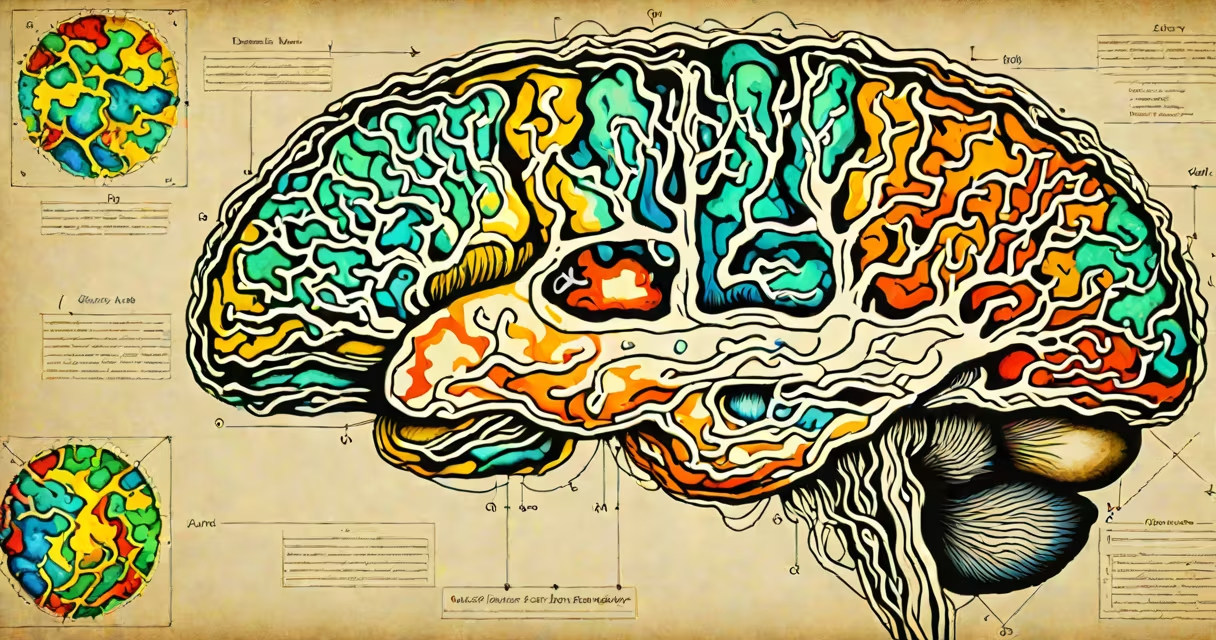
Neuroimaging studies show altered activity in the prefrontal cortex, amygdala, and hippocampus among individuals with bipolar II disorder. These regions regulate emotional responses, decision-making, and memory. Functional MRI scans reveal reduced connectivity between the prefrontal cortex and limbic system during depressive episodes, weakening top-down emotional control.
Neurotransmitter systems-particularly serotonin, dopamine, and norepinephrine-are implicated. Low serotonin levels correlate with depressive episodes, while increased dopamine activity in the mesolimbic pathway may drive hypomanic states. However, these changes are not simply "chemical imbalances" in the popular sense. They reflect changing shifts in neural signaling influenced by both inherited traits and ongoing environmental input.
A 2021 study published in Nature Neuroscience found that people with bipolar II disorder exhibit abnormal oscillatory brain rhythms in the gamma frequency band during mood transitions. This suggests that disrupted neural synchronization contributes to rapid mood shifts, even when external stressors are minimal.
Family history strongly predicts risk. Individuals with a first-degree relative (parent or sibling) diagnosed with bipolar II disorder have a 10-15% chance of developing the condition themselves. That's nearly five times higher than the general population rate of about 1-2%.
Genome-wide association studies (GWAS) have identified over 30 gene variants linked to bipolar spectrum disorders. Variants near the CACNA1C and ANK3 genes are consistently associated with increased susceptibility. These genes influence calcium channel function and neuronal structure, affecting how brain cells communicate and maintain stability.
No single gene causes bipolar II disorder. Instead, multiple small genetic contributions interact with environmental stressors-a concept known as polygenic risk. A person with high genetic load may remain asymptomatic unless exposed to significant life stress, trauma, or sleep disruption.
| Type | Description | Estimated Contribution |
|---|---|---|
| Common variants | Small DNA changes shared across populations; each adds minor risk | ~60% |
| Rare mutations | Unique genetic alterations not widely seen; higher impact per variant | ~10% |
| Epigenetic modifications | Environmental effects altering gene expression without changing DNA sequence | ~30% |
Epigenetics explains why identical twins-one with bipolar II, one without-can exist. Even with identical DNA, differences in methylation patterns and histone modification can silence or activate mood-related genes based on early-life experiences.
While biology sets the stage, environmental events often initiate the first episode. Sleep deprivation, substance use, major life changes, and chronic stress are well-documented precipitants. For example, a 2019 longitudinal study found that 68% of participants with bipolar II disorder reported a significant stressor within six months before their first hypomanic episode.
Childhood trauma increases vulnerability. Data from the National Comorbidity Survey Replication (NCS-R) shows that individuals with bipolar II disorder are twice as likely to report physical or emotional abuse during childhood compared to controls. Trauma alters cortisol regulation and hippocampal volume, increasing sensitivity to future mood shifts.
Substance use-especially alcohol, cannabis, and stimulants-can trigger or worsen episodes. Cannabis use during adolescence, for instance, doubles the risk of developing a mood disorder later in life, particularly in those with genetic susceptibility.
Bipolar II disorder is frequently mistaken for borderline personality disorder (BPD) due to overlapping symptoms like emotional instability and impulsive behavior. However, BPD lacks the clear cycling between depression and hypomania seen in bipolar II. Mood swings in BPD are reactive and tied to interpersonal stress, while bipolar episodes occur independently of context.
Another myth is that hypomania is always enjoyable. In reality, many patients describe it as uncomfortable-racing thoughts, irritability, poor concentration-and often regret actions taken during the episode. One patient I treated described feeling "like my mind was on fire," unable to stop talking despite knowing it upset others. This distress often leads to hospitalization.
Finally, bipolar II is not caused by poor parenting or weak character. It is not a choice. The condition results from measurable brain differences and genetic factors, confirmed through clinical research and neuroimaging.
Sarah, a 28-year-old graphic designer, experienced her first hypomanic episode after working 80-hour weeks for three months. She began skipping meals, staying awake for 36 hours, and spending $4,000 on design software she didn't need. Her mood swung from euphoria to intense shame.
She had a family history of mood disorders-her mother had bipolar I, and her brother had recurrent depression. After evaluation, she was diagnosed with bipolar II disorder. Treatment included lithium, cognitive behavioral therapy, and strict sleep hygiene. Within six months, her mood stabilized, and she returned to work.
This case illustrates how genetic risk, combined with prolonged stress and sleep loss, can trigger illness onset. It also shows that recovery is possible with appropriate care.