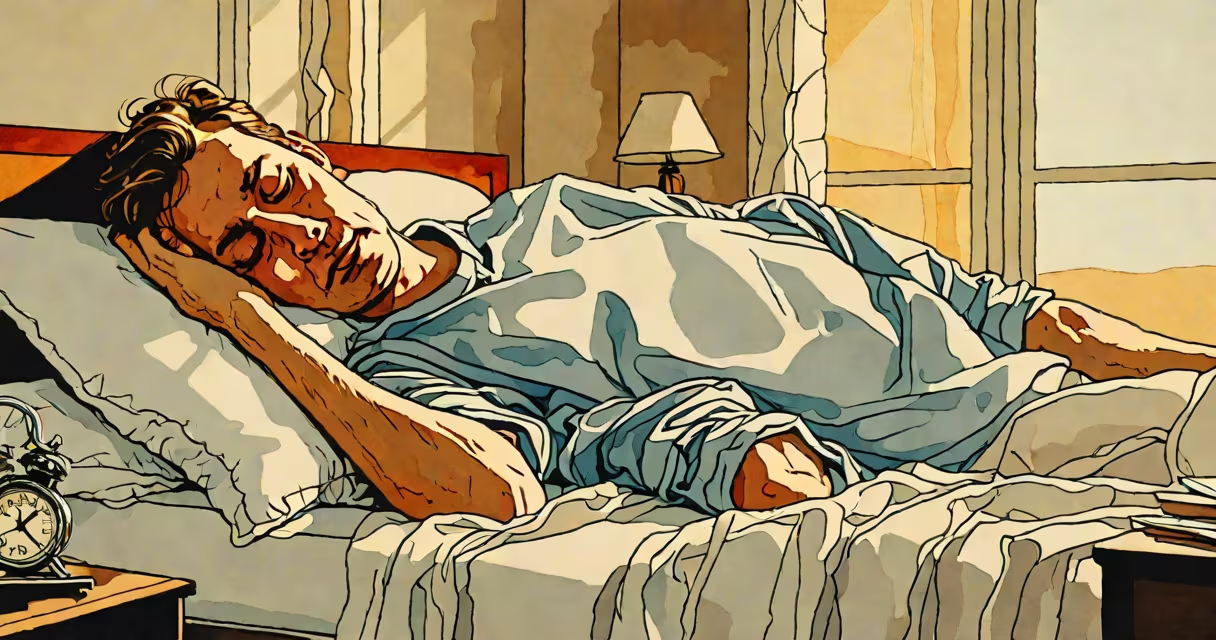
Woke up feeling tired describes the persistent sensation of exhaustion upon rising, even after a full night's sleep. This occurs when sleep quality is poor, circadian rhythms are misaligned, or underlying health issues interfere with restorative processes. The condition affects 20-30% of adults, according to the American Academy of Sleep Medicine.
Feeling drained at dawn isn't always due to insufficient sleep duration. A person may sleep seven to nine hours yet still wake up foggy, sluggish, or emotionally flat. This state results from disrupted sleep architecture-specifically reduced slow-wave and REM sleep-and is often linked to poor sleep hygiene, stress, or medical conditions like sleep apnea or hypothyroidism.
The National Sleep Foundation notes that 65% of people who report waking up tired have undiagnosed sleep disorders. Common culprits include inconsistent bedtimes, screen exposure before sleep, and caffeine consumption after 2 PM. These behaviors fragment sleep cycles and reduce deep sleep stages critical for physical recovery and cognitive function.
During sleep, the brain cycles through four stages: N1, N2, slow-wave (N3), and REM. Slow-wave sleep dominates the first half of the night and supports tissue repair, immune function, and memory consolidation. REM sleep, which increases toward morning, aids emotional regulation and learning. When these stages are interrupted, restoration fails-even if total sleep time meets guidelines.
Waking during deep sleep causes sleep inertia-a temporary grogginess lasting 15 to 30 minutes. This phase impairs reaction time, decision-making, and mood. A 2021 study in Sleep Medicine found that participants woken from slow-wave sleep showed 25% slower cognitive performance compared to those awakened during lighter stages.
Chronic sleep inertia may indicate delayed sleep phase syndrome (DSPS), where the body's internal clock shifts later. People with DSPS often fall asleep late and struggle to wake early, leading to consistent morning fatigue. This condition affects 7-10% of adolescents and young adults, per the Journal of Clinical Sleep Medicine.
Woke up feeling tired stems from multiple sources. The most frequent are behavioral, physiological, and pathological factors.
| Type | Common Causes | Prevalence |
|---|---|---|
| Behavioral | Screen use before bed, irregular sleep schedules, caffeine after 2 PM | 40-50% |
| Physiological | Circadian misalignment, low melatonin levels, hormonal shifts | 20-30% |
| Pathological | Obstructive sleep apnea, restless leg syndrome, depression | 15-25% |
Behavioral causes are the most modifiable. Using phones or tablets within an hour of bedtime suppresses melatonin by up to 50%, delaying sleep onset and reducing deep sleep, per research published in Journal of Applied Physiology.
Physiological disruptions include low iron levels, vitamin D deficiency, and thyroid dysfunction-all linked to fatigue. A 2020 study in Endocrine Connections found that 38% of patients with unexplained morning fatigue had subclinical hypothyroidism.
Pathological conditions require medical evaluation. Obstructive sleep apnea, affecting 1 in 5 adults, causes repeated breathing interruptions during sleep. These events trigger micro-awakenings that fragment sleep without conscious awareness. Patients often report excessive daytime sleepiness and morning headaches.
Woke up feeling tired is often mistaken for normal drowsiness or lack of motivation. But true fatigue involves a sustained lack of energy, mental clarity, and physical endurance. Drowsiness may resolve after coffee or a short nap; fatigue persists.
Another confusion lies between fatigue and depression. While both involve low energy, clinical depression includes symptoms like persistent sadness, loss of interest, and changes in appetite or weight. Fatigue without these markers points toward sleep or metabolic issues.
A key distinction: sleep inertia lasts minutes to an hour. True fatigue lingers throughout the day. One patient I observed at a sleep clinic reported feeling "like a zombie" until noon. After a polysomnography, he was diagnosed with untreated sleep apnea. His oxygen saturation dropped below 90% during 47 episodes per hour. Correcting his airway obstruction restored energy levels within two weeks.
Start with tracking sleep patterns using a wearable device or journal. Record bedtime, wake time, and perceived energy levels. Look for inconsistencies-going to bed at 11 PM one night and 2 AM the next, for example.
Adjust habits: avoid screens 90 minutes before bed, maintain a consistent wake-up time (even on weekends), and limit caffeine after 2 PM. A 2019 randomized trial in BMJ Open showed that participants who followed these rules improved sleep efficiency by 18% over six weeks.
If fatigue continues, consult a healthcare provider. A sleep study (polysomnography) can detect apnea, periodic limb movements, or abnormal brain activity. Blood tests for thyroid-stimulating hormone (TSH), ferritin, and vitamin B12 levels can rule out deficiencies.
For individuals experiencing feeling tired all the time and sleepy, the issue extends beyond mornings. Chronic fatigue requires multidisciplinary assessment to identify root causes such as autoimmune conditions or chronic infections.
Woke up feeling tired is not a sign of weakness. It's a biological signal. Addressing it improves focus, mood, and long-term health outcomes.