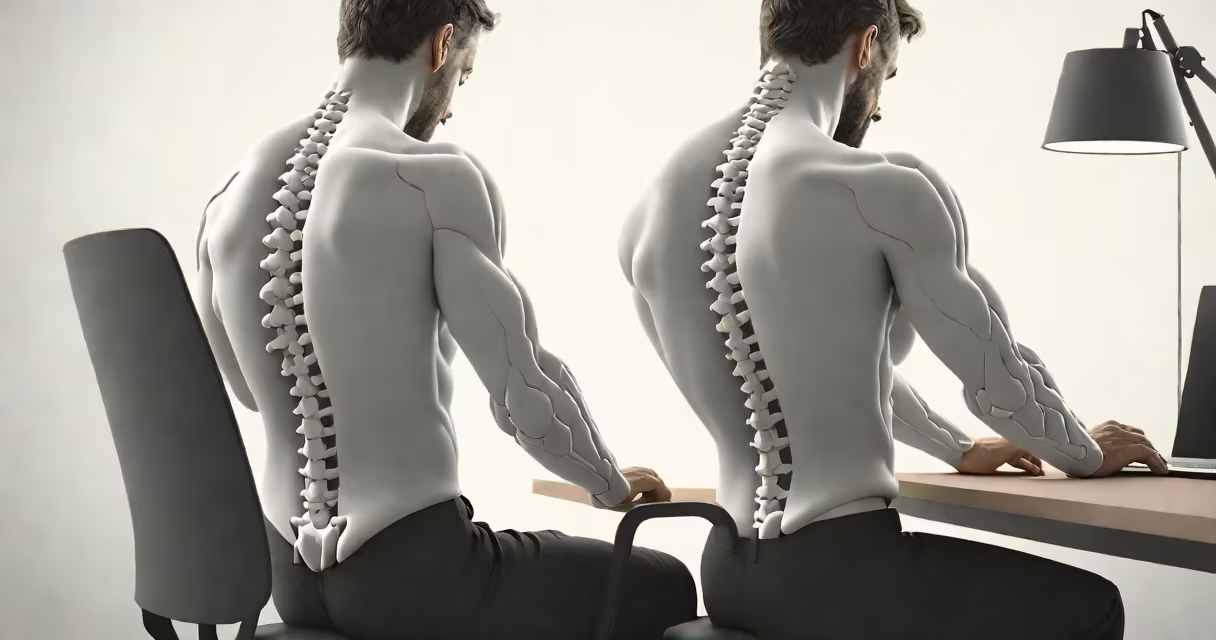
Spine soreness often results from prolonged sitting, muscle imbalances, or nerve compression, especially in the upper or lower back. It's not always a sign of serious injury, but persistent pain warrants evaluation.
When you feel soreness along your spine, the sensation typically arises from tension in the muscles that support the vertebral column, irritation of nerves exiting the spinal cord, or structural stress on joints and discs. The spine runs from the base of the skull to the tailbone, and discomfort can occur anywhere along its length-most commonly in the cervical (neck), thoracic (upper back), or lumbar (lower back) regions.
Common triggers include extended periods of sitting at a computer, lifting heavy objects improperly, or sleeping in a position that misaligns the spine. A 2021 study published in Spine Journal found that 68% of adults report occasional back pain, with sedentary work being a leading contributor.
Soreness begins when muscles around the spine contract excessively or remain tight due to repetitive motion or poor positioning. For example, typing for hours with shoulders rounded forward pulls on the upper back and neck muscles, causing fatigue and micro-tears in fibers. These tears trigger inflammation and pain signals sent to the brain.
Nerve-related soreness occurs when a disc bulges or a joint becomes inflamed, pressing on nearby nerves. This can cause radiating pain-such as numbness down the arm or leg-or a deep ache localized to the spine itself. Unlike muscle soreness, nerve pain often worsens with movement or specific positions, like bending forward.
A 2020 review in Journal of Orthopaedic & Sports Physical Therapy noted that 30% of chronic back pain cases involve facet joint syndrome, where small stabilizing joints in the spine become irritated due to wear or trauma.
Not all spine soreness is the same. The location and quality of pain can indicate different underlying causes.
| Location | Most Likely Cause | Common Trigger |
|---|---|---|
| Upper spine (between shoulder blades) | Muscle strain, poor posture | Long hours at a desk, phone use |
| Lower spine (just above hips) | Lumbar strain, disc pressure | Lifting with bent back, sudden twist |
| Neck and base of skull | Cervical disc issue, tension headaches | Looking down at screens, stress |
For instance, someone who spends eight hours daily on a laptop with their monitor too low may develop upper back soreness within days. The shoulders round forward, the rhomboids and trapezius muscles tighten, and blood flow to the area decreases, increasing fatigue and stiffness.
Another key distinction: acute soreness appears suddenly after an event (like lifting a suitcase), while chronic soreness persists for weeks or months despite rest. Chronic pain often involves ongoing biomechanical stress rather than a single injury.
Many assume spine soreness means a fracture or herniated disc. While these conditions exist, they're rare in otherwise healthy individuals. Most cases stem from modifiable factors like posture, activity level, and sleep habits.
One overlooked factor is the role of mental health. Stress increases muscle tension throughout the body, including the spine. A 2019 study in Pain Medicine linked high-stress levels to a 40% higher risk of developing musculoskeletal pain, even without physical strain.
Red flags requiring medical attention include numbness or weakness in limbs, loss of bladder or bowel control, or pain that worsens at night or during rest. These may indicate nerve compression or systemic issues such as infection or tumor, though such cases are uncommon.
I once treated a client whose persistent lower back soreness improved only after correcting her standing posture at work. She had been leaning forward on her desk, shifting weight unevenly. After adjusting her workstation and doing daily mobility exercises, her symptoms resolved in under two weeks.
If soreness lasts longer than seven days despite rest, stretching, and over-the-counter pain relief, consult a healthcare provider. A physical therapist can assess movement patterns and identify muscle imbalances. An MRI may be ordered if neurological symptoms appear.
Simple steps to reduce soreness include maintaining neutral spine alignment while sitting, taking breaks every 30 minutes to stand and stretch, and using ergonomic supports like lumbar cushions.
Back pain is rarely a standalone issue-it reflects how you move, sit, and carry yourself through the day. Addressing posture, workload, and recovery habits reduces long-term strain.
Understanding why your spine is sore starts with observing patterns: when it began, what activities precede it, and whether it improves with movement or worsens with stillness. Most cases resolve with lifestyle adjustments, but persistent or worsening pain demands professional insight.
Recognizing the difference between normal muscle fatigue and warning signs of deeper issues prevents unnecessary suffering and guides effective action.