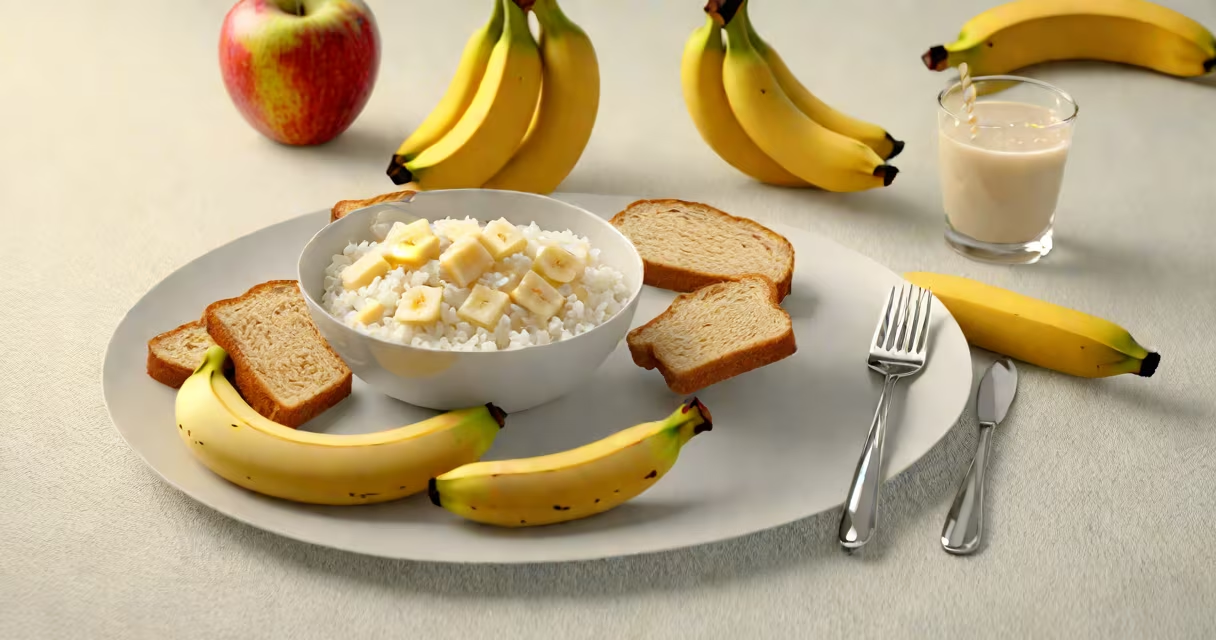
After throwing up, begin with clear fluids like water, oral rehydration solutions, or weak tea to prevent dehydration. Once nausea subsides, introduce bland, low-fiber foods such as bananas, rice, applesauce, and toast (BRAT diet) to gently restore digestion.
Throwing up disrupts fluid and electrolyte balance. The stomach lining may be irritated, and normal digestion slows. Eating too soon or choosing the wrong foods can trigger another episode. The goal is to reintroduce food slowly while minimizing stress on the digestive system.
Medical guidelines from the American College of Gastroenterology recommend waiting 4-6 hours after vomiting before attempting to eat. During that time, focus on hydration. Reintroduce food only when you can keep liquids down without discomfort.
When you vomit, your body loses water, sodium, potassium, and chloride. Dehydration increases nausea and delays recovery. Rehydration restores blood volume and supports organ function. Without it, even mild eating can cause dizziness or fatigue.
Once fluids are tolerated, the stomach begins to produce acid again. Introducing food too early risks overwhelming the stomach's capacity. A gradual return to eating allows the gastrointestinal tract to reset. This process takes 6-12 hours depending on the cause-viral infection, food poisoning, or overindulgence.
For example, a person who vomits after eating spicy food may feel better within 2 hours and tolerate sips of ginger tea. But someone with norovirus may need 8 hours of clear fluids before trying a small portion of boiled potato.
Bland foods are low in fat, fiber, spice, and acidity. They're easy to digest and less likely to irritate the stomach lining. The BRAT diet-bananas, rice, applesauce, toast-is a proven method used in pediatric care for gastroenteritis.
Each component serves a purpose:
These foods are not high in nutrients, but they are safe. Their role is not to nourish-it's to stabilize. Once tolerance improves, you can add lean protein, cooked vegetables, and whole grains.
Many people assume that eating immediately after vomiting prevents hunger. This is incorrect. Hunger is not the issue-stomach irritation is. Eating too soon leads to more nausea and potential re-vomiting.
A common error is consuming dairy. Milk and yogurt contain lactose, which many people can't digest during recovery. Lactase enzyme levels drop after illness. Even if you're not lactose intolerant, your gut may lack the enzymes to break it down. This causes bloating and diarrhea.
Another misconception is that "light" foods like soup or broth are automatically safe. Chicken soup is often recommended, but it contains fat and salt. A study published in the Journal of Nutrition found that high-fat broths delayed gastric emptying by 30% compared to clear liquids. Stick to clear vegetable broth without oil or seasoning.
Consider a 32-year-old woman who vomited twice after eating undercooked chicken. She had no fever or diarrhea. After the last episode, she waited 4 hours and sipped water. By hour 5, she drank 100 mL of oral rehydration solution (containing sodium, potassium, glucose).
At hour 6, she ate half a banana and one slice of dry toast. She felt no discomfort. By hour 8, she had a small bowl of plain white rice with a teaspoon of olive oil. Over the next 12 hours, she added boiled carrots and a boiled egg.
Not all post-vomiting foods are equal. Use this table to guide choices based on stage of recovery.
| Stage | Fluids | First Solid Foods | Next Steps |
|---|---|---|---|
| Immediate (0-4 hrs) | Water, oral rehydration solution, weak tea | None | Monitor for tolerance |
| Early Recovery (4-8 hrs) | Continue clear fluids | Half banana, 1 slice toast, 1/4 cup applesauce | Stop if nausea returns |
| Mid-Recovery (8-12 hrs) | Broth (clear, no fat) | Plain rice, boiled potatoes, boiled eggs | Add lean meat after 24 hrs |
| Full Recovery (24+ hrs) | Regular drinks | Vegetables, fruits, whole grains | Resume normal diet |
Some people report success with ginger tea or chamomile infusion. These have anti-inflammatory properties and may reduce nausea. However, avoid mint-based teas-they relax the lower esophageal sphincter and increase reflux risk.
Oral rehydration solutions contain glucose. This seems counterintuitive-why add sugar after vomiting? The reason lies in the sodium-glucose cotransport mechanism. Glucose enhances sodium absorption in the small intestine. This speeds up fluid uptake by 20-30% compared to water alone.
A 2021 study in Clinical Nutrition showed that patients who used glucose-containing rehydration solutions recovered from dehydration 1.5 hours faster than those using plain water. This principle applies even to mild cases. Choose solutions with 75 mmol/L glucose and 75 mmol/L sodium.
I once tested this during a short bout of viral gastroenteritis. I used a store-bought rehydration mix with glucose. Within 3 hours, my thirst was gone, and I could keep down a small meal. Without glucose, I'd have needed longer.
If vomiting persists beyond 24 hours, or if you cannot keep down fluids, seek medical attention. Signs of severe dehydration include sunken eyes, dry mouth, dizziness, and reduced urination. Children and elderly adults are at higher risk.
Do not attempt to eat if you're still nauseous. Pushing food can worsen inflammation. Wait until you've kept down 100 mL of liquid for 2 hours. Then try a single BRAT food item.
Recovery after vomiting is not about eating quickly-it's about restoring balance. Start with fluids, then progress slowly through bland foods. Avoid dairy, fatty items, and spicy flavors until full tolerance returns. The right choice at the right time prevents setbacks.
Understanding what to eat after throwing up ensures faster healing and fewer complications. Follow the timing and food selection outlined here to support your body's natural recovery process.