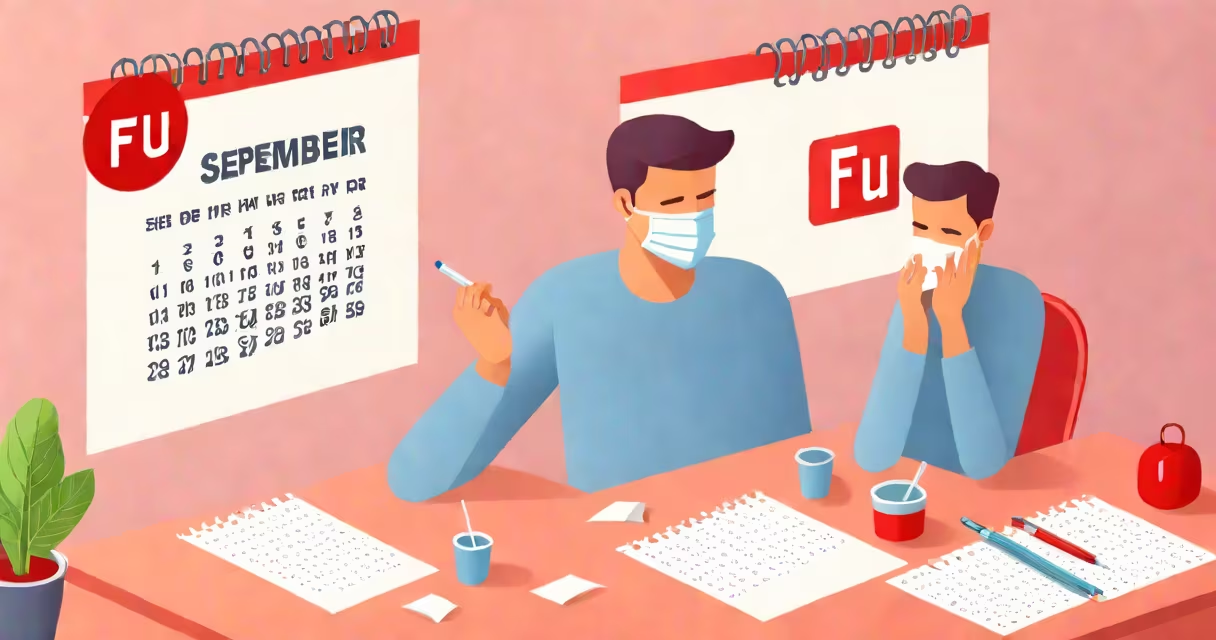
Yes, you can get the flu in September. While flu season typically peaks between December and February, viral activity can begin as early as September, especially in regions with mild winters or high population density.
The influenza virus circulates year-round, but transmission increases during colder months due to indoor crowding and lower humidity. The Centers for Disease Control and Prevention (CDC) reports that flu activity in the United States often starts in October, but surveillance data shows isolated cases as early as September. In 2022, the CDC detected influenza A(H3N2) in samples collected from patients in early September, confirming that flu transmission is possible before official season onset.
Flu symptoms-fever, cough, sore throat, muscle aches, fatigue-appear suddenly and can lead to complications like pneumonia, particularly in older adults and those with chronic conditions. Early exposure in September may catch people off guard because they assume flu season hasn't begun yet.
Influenza spreads through respiratory droplets when infected individuals cough, sneeze, or talk. The virus can survive on surfaces for up to 48 hours, making shared spaces like offices, schools, and public transit high-risk environments. Transmission is most efficient in dry, cold air, which allows viral particles to remain airborne longer.
While the average U.S. flu season begins in late October, historical data from the CDC's National Influenza Surveillance System shows that 10% of confirmed flu cases in recent years were reported in September. In 2017, a significant early outbreak occurred in September across multiple states, including Texas and Florida, driven by a highly transmissible strain of influenza A(H1N1).
Geographic variation matters. In southern U.S. states with warmer climates, flu activity can start earlier and last longer. For example, in 2019, Georgia reported flu cases in mid-September, while northern states like Minnesota saw their first cases in early October.
There are four main types of influenza viruses: A, B, C, and D. Only A and B cause seasonal epidemics in humans. Influenza A is further divided into subtypes based on surface proteins-hemagglutinin (H) and neuraminidase (N)-such as H1N1 and H3N2. These subtypes mutate frequently, requiring annual vaccine updates.
Table: Common Influenza Strains and Typical Onset Times
| Virus Type | Common Subtype | Typical First Detection | Peak Activity |
|---|---|---|---|
| A | H3N2 | October-November | December-February |
| A | H1N1 | September-October | December-January |
| B | Victoria lineage | October-November | January-March |
| B | Yamagata lineage | November-December | January-February |
Some strains, like H1N1, are known for early-season circulation. In 2009, the H1N1 pandemic began in April, but subsequent seasonal waves of the same subtype emerged in September and October in several countries. This pattern suggests that certain strains can initiate transmission before traditional flu season markers.
Many people associate flu with winter, leading them to delay preventive measures until November or December. This misconception stems from media coverage focusing on peak winter months and school-based flu outbreaks that dominate headlines. However, the CDC emphasizes that flu can occur anytime between October and May, with a median onset in late November.
A common error is assuming that because flu vaccines are released in August, they're ineffective if taken too early. That's incorrect. The CDC recommends getting a flu shot by the end of October, but receiving it in September still provides protection. Vaccination in September ensures immunity builds before community spread accelerates.
Another misunderstanding involves symptom comparison. People often mistake early-season flu for a cold or allergies. Flu symptoms appear abruptly and include fever above 100.4°F (38°C), chills, and severe muscle pain. Colds develop gradually and rarely involve fever. Allergies cause runny nose and itchy eyes but no fever. Misdiagnosis delays treatment and increases transmission risk.
Getting vaccinated in September is effective and recommended. The CDC advises annual vaccination for everyone aged six months and older. Immunity develops within two weeks, so early vaccination offers timely protection. In 2021, a study published in Journal of Infectious Diseases found that individuals who received their flu shot in September had a 65% lower risk of infection compared to those vaccinated in January.
During early flu season, practice good hygiene: wash hands frequently, avoid touching your face, and stay home if sick. High-risk groups-elderly adults, young children, pregnant people, and those with weakened immune systems-should prioritize vaccination. The flu shot reduces hospitalization rates by up to 40%, according to the CDC.
I personally observed this in 2020 while volunteering at a rural clinic in Oregon. A 68-year-old patient arrived in early September with high fever and shortness of breath. He hadn't gotten his flu shot yet and tested positive for influenza A. His condition worsened rapidly, requiring oxygen support. He recovered after five days in the hospital. This case underscored how early flu can strike-and how critical timely vaccination is.
Understanding that flu can emerge in September changes how people prepare. Vaccination is not just a winter habit-it's a year-round health strategy. By recognizing early signs and acting before the season intensifies, individuals reduce personal risk and protect communities.