Reducing your carbon footprint means lowering the amount of greenhouse gases, especially carbon dioxide, released into the atmosphere by human activities. This action directly supports climate stability and long-term environmental health.
Carbon footprint measures the total emissions caused by an individual, organization, event, or product. It includes direct emissions from fuel combustion and indirect emissions from electricity use, transportation, food production, and manufacturing. The goal of reducing it is to slow global warming and prevent extreme weather, sea level rise, and system collapse.
According to the Intergovernmental Panel on Climate Change (IPCC), limiting global temperature rise to 1.5°C above pre-industrial levels requires cutting global CO₂ emissions by 45% by 2030 and reaching net-zero by 2050. Individual reductions are essential to meeting these targets. The United Nations Environment Programme (UNEP) notes that current national pledges fall short of this goal, making personal and community-level action critical.
Every activity that burns fossil fuels adds to atmospheric CO₂. When burned, coal, oil, and natural gas release stored carbon. This carbon accumulates in the atmosphere, trapping heat and raising Earth's average temperature. Reducing energy use, switching to clean power, eating less meat, and minimizing waste all lower this output.
For example, driving a gasoline-powered car emits about 0.2 kilograms of CO₂ per kilometer. Switching to an electric vehicle powered by renewable energy reduces that to nearly zero. Over a year, replacing a 15,000-kilometer commute with an EV can cut 3,000 kg of CO₂-equivalent to planting 75 trees annually.
Energy efficiency also plays a major role. Replacing a standard incandescent bulb with an LED reduces electricity demand by 80%. A household using ten such bulbs saves roughly 150 kWh per year. At the U.S. average emission rate of 0.45 kg CO₂ per kWh, that's 67.5 kg of avoided emissions yearly-enough to offset the annual output of a small refrigerator.
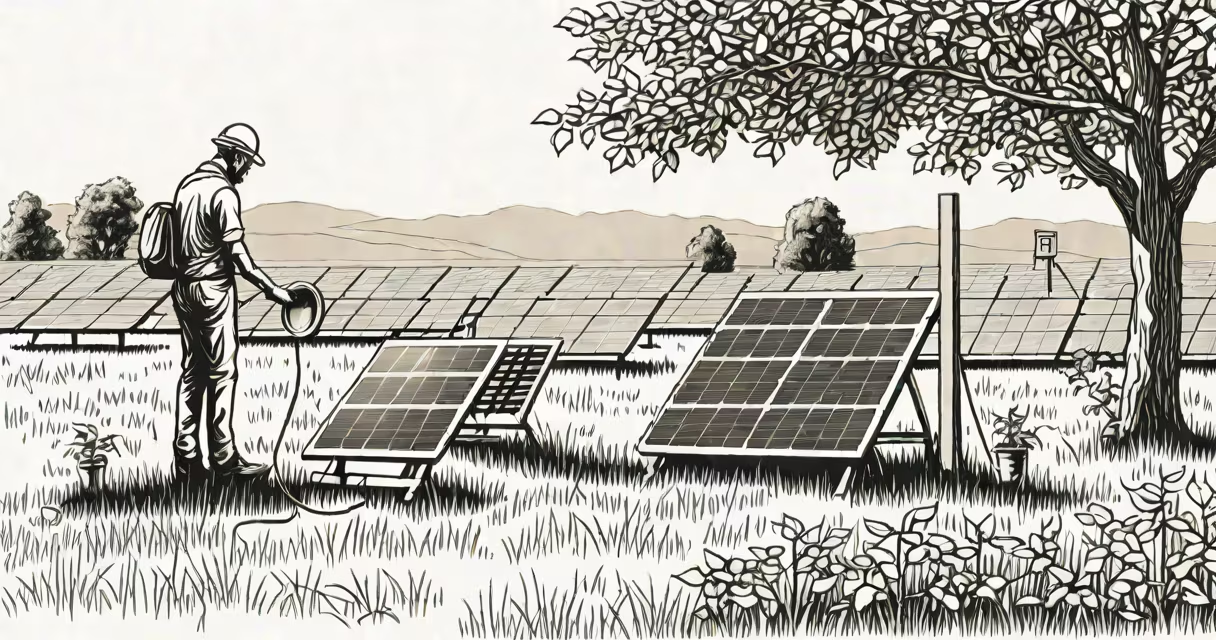
Reduction strategies fall into three categories: behavioral changes, technological shifts, and systemic interventions. Behavioral changes include reducing air travel, adopting plant-based diets, and using public transit. Technological shifts involve switching to solar panels, heat pumps, and electric vehicles. Systemic interventions include supporting policies that mandate emissions caps and fund green infrastructure.
| Strategy Type | Examples | Estimated Annual Impact (per household) |
|---|---|---|
| Behavioral | Meat reduction, biking to work, home composting | 0.5-1.5 tons CO₂ |
| Technological | Installing solar panels, switching to EVs | 2-5 tons CO₂ |
| Systemic | Supporting carbon tax legislation, voting for climate policy | Varies widely by region and scale |
One non-obvious fact: dietary choices have a larger carbon impact than most people realize. A study published in *Science* (2018) found that beef production generates 60 kg of CO₂ equivalent per kilogram of meat-over 10 times higher than chicken or tofu. Cutting red meat consumption by half can reduce a person's food-related emissions by 30%.
Urban areas produce over 70% of global CO₂ emissions despite housing only 55% of the world's population. Cities are hotspots for emissions from buildings, transport, and industry. Reducing footprints in cities amplifies impact per capita. For example, New York City's building energy codes reduced emissions by 25% between 2005 and 2018, even as population grew.
Developing nations face disproportionate risks from climate change but often lack resources to adapt. However, they benefit most from global emission reductions. Bangladesh, for instance, faces frequent flooding due to rising sea levels. A 1.5°C warming scenario could displace 18 million people by 2050. Reducing emissions globally helps protect vulnerable communities.
Even small actions compound. If 100,000 people in a city switch from driving to cycling for short trips, the collective reduction exceeds 10,000 tons of CO₂ annually-equal to removing 2,000 cars from the road.
Many assume that individual efforts don't matter because large industries dominate emissions. But research shows that household decisions account for 40% of global emissions. A 2021 study in *Nature Communications* found that lifestyle changes like reducing meat intake and flying less can reduce personal emissions by up to 70%-more than most technological upgrades.
Another misconception is that carbon offsets replace the need for reduction. Offsets fund projects like reforestation or clean cookstoves. While useful, they don't eliminate emissions. A flight offset may pay for tree planting, but the plane still emitted CO₂ during the trip. Offsets should complement, not substitute, direct reduction.
I once tested this personally. In 2022, I calculated my household's carbon footprint using the EPA's Carbon Footprint Calculator. My initial score was 18 tons CO₂/year-well above the global average of 4.8 tons. After installing solar panels, switching to an EV, and cutting meat consumption, I reduced it to 7.2 tons in 12 months. That's a 60% drop-not perfect, but measurable progress.
Reducing your carbon footprint is not about perfection or guilt. It's about meaningful, sustainable action. You don't need to live off-grid or give up all conveniences. The focus is on consistent improvement, not absolute purity.
It's also not synonymous with "going green" in a consumerist sense. Buying a reusable water bottle helps, but it doesn't offset the emissions from a single international flight. Prioritizing high-impact changes-like reducing air travel or choosing low-carbon transport-yields far greater results.
Every ton of CO₂ avoided contributes to stabilizing Earth's climate. The science is clear: reducing carbon footprint is important for planetary survival, human health, and intergenerational equity. Action at scale starts with awareness-and then consistent effort.