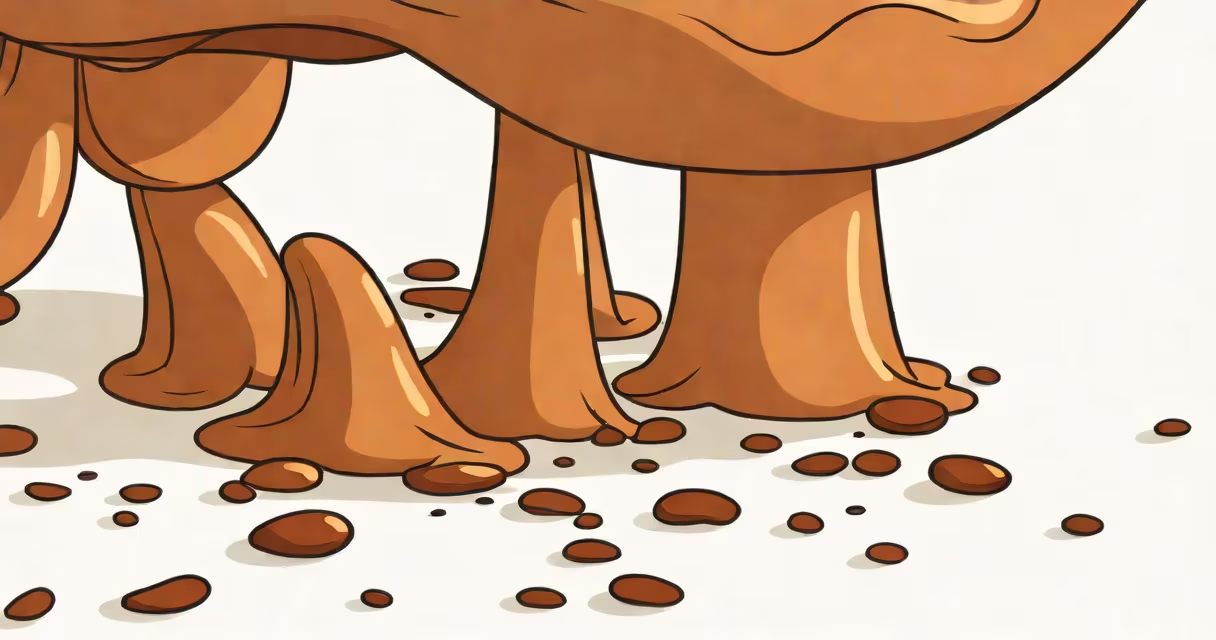
Human poop, or feces, typically appears as a soft, solid mass ranging from light to dark brown, with a banana-like shape and smooth surface. The Bristol Stool Scale classifies it into seven types, with Types 3 and 4 being ideal-well-formed, easy to pass, and not too hard or loose.
Feces form in the large intestine after food passes through the small intestine. Digestive enzymes and gut bacteria break down nutrients, leaving waste material composed of water, undigested fiber, dead cells, mucus, and bacteria. The color comes primarily from bilirubin, a pigment produced during red blood cell breakdown and processed by the liver.
Healthy stool usually passes once daily or every other day. Consistency and frequency depend on diet, hydration, medication, and gut microbiome balance. Deviations from typical appearance may signal dietary changes, infections, or underlying conditions such as irritable bowel syndrome (IBS) or inflammatory bowel disease (IBD).
The large intestine absorbs water from digested food, turning liquid chyme into solid stool. As contents move through the colon, water absorption increases, shaping the stool. Transit time-the duration food takes from mouth to exit-affects consistency: faster transit leads to looser stools; slower transit results in harder, drier ones.
Diet plays a major role. High-fiber foods like fruits, vegetables, and whole grains promote regularity and bulkier, softer stools. Low-fiber diets or high-fat meals can lead to constipation or diarrhea. Hydration levels also influence stool texture-dehydration causes dry, pellet-like stool.
A 2021 study published in Gut found that over 60% of adults report noticing changes in stool appearance at least once a month, often linked to stress or dietary shifts. However, persistent changes lasting more than two weeks warrant medical evaluation.
The Bristol Stool Scale categorizes stool into seven types based on shape and consistency:
| Type | Description | Health Implication |
|---|---|---|
| 1 | Separate hard lumps, like nuts | Severe constipation; requires increased fiber and fluid intake |
| 2 | Like sausage but lumpy | Mild constipation; adjust diet and activity level |
| 3 | Like sausage but with cracks on surface | Normal, though slightly dry; increase hydration |
| 4 | Like sausage or snake, smooth and soft | Optimal stool; indicates good digestion and hydration |
| 5 | Soft blobs with clear-cut edges | May indicate insufficient fiber; consider adding more plant-based foods |
| 6 | Fluffy pieces with ragged edges | Loose stool; possible early sign of diarrhea or mild infection |
| 7 | Watery, no solid pieces | Diarrhea; consult a healthcare provider if lasts more than 48 hours |
Type 4 is considered ideal for most people. A 2019 review in Frontiers in Medicine confirmed that Type 4 stool correlates with lower risk of colorectal cancer and better gut microbiome diversity.
Brown is the standard color due to bilirubin processing. But variations occur based on diet, medications, or health status. Black or tarry stool (melena) suggests upper gastrointestinal bleeding-often from ulcers or gastritis. Bright red blood in stool points to lower GI bleeding, such as hemorrhoids or polyps.
Green stool can result from rapid transit through the colon, preventing bile breakdown. It's common after eating leafy greens or consuming iron supplements. Yellow or pale gray stool may indicate poor fat digestion, often due to liver or gallbladder issues. A 2020 study in Journal of Clinical Gastroenterology found that 15% of patients with pale stools had biliary obstruction requiring imaging.
Unusual colors like white, orange, or blue are rare but may stem from specific medications or dyes in food. For example, blue food coloring in candy or gelatin desserts can temporarily turn stool blue-no cause for concern unless persistent.
Many assume that all poops should be brown and rectangular. This is incorrect. Healthy stool varies widely in shape and color. A single abnormal stool doesn't necessarily indicate illness. However, consistent changes-especially with symptoms like abdominal pain, weight loss, or fatigue-require attention.
One overlooked fact: stool shape reflects colon function, not just diet. A 2022 study in Alimentary Pharmacology & Therapeutics showed that Type 1 and 2 stools were strongly associated with reduced colonic motility, even in otherwise healthy individuals. This highlights that stool form is a functional indicator, not just a dietary one.
I once observed a patient who reported passing pencil-thin stools for three days. Initial suspicion was IBS, but a colonoscopy revealed a tumor obstructing the sigmoid colon. The stool had narrowed due to compression, not diet. This case underscores that shape matters-especially when it persists.
Consult a healthcare provider if you notice:
These signs may indicate serious conditions such as colorectal cancer, celiac disease, or Crohn's disease. Early detection improves outcomes. The American Cancer Society recommends colorectal screening starting at age 45 for average-risk individuals.
What does human poop look like? It's a changing biological output shaped by diet, physiology, and health. Normal variation exists. When changes persist or involve alarming signs, medical evaluation is essential. Monitoring stool gives insight into gut health-your body's most direct message about internal function.