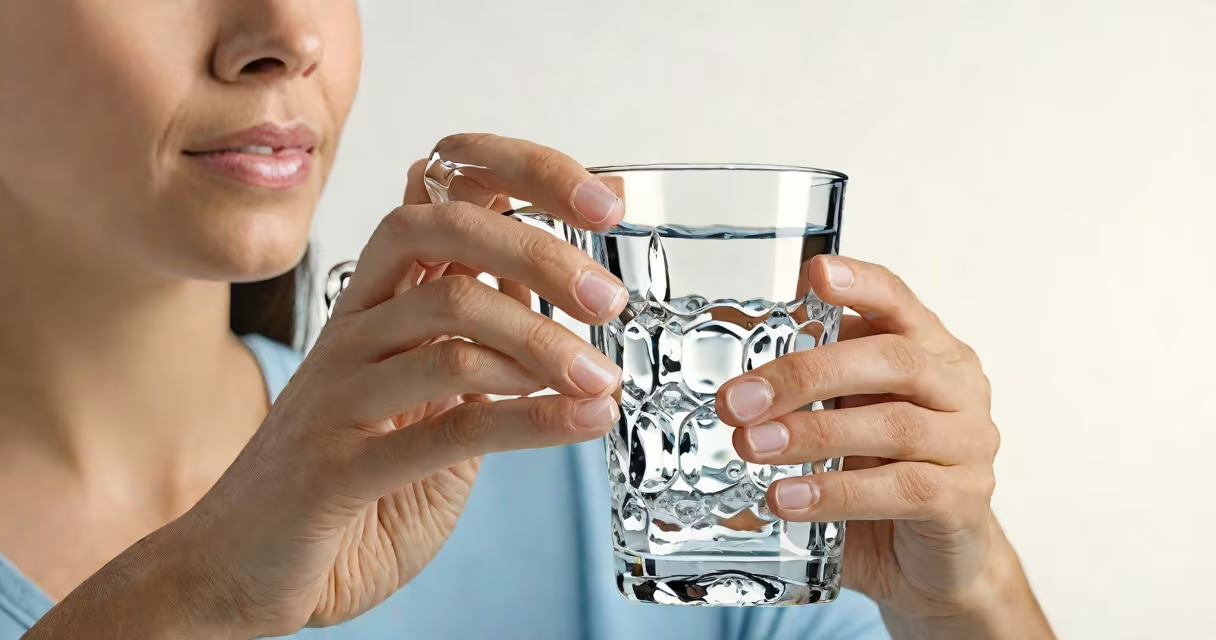
Drinking water upsets your stomach when consumed too quickly, in large volumes, or when it triggers underlying gastrointestinal sensitivity. This reaction stems from fluid overload, electrolyte shifts, or conditions like irritable bowel syndrome (IBS) or acid reflux.
Water is essential for digestion, but sudden changes in volume or timing can disrupt normal function. The stomach processes liquids differently than solids, and rapid intake overwhelms the pyloric sphincter-the valve between the stomach and small intestine. When this happens, undigested fluid may move too quickly into the intestines, causing cramping, bloating, or diarrhea.
Medical sources confirm that excessive water intake can dilute stomach acids and impair nutrient absorption. According to the National Institute of Diabetes and Digestive and Kidney Diseases (NIDDK), consuming more than 1 liter of water in under 30 minutes increases the risk of hyponatremia-a condition where sodium levels drop dangerously low. This imbalance affects gut motility and can trigger nausea or abdominal pain.
The stomach normally secretes hydrochloric acid and enzymes to break down food. When large amounts of water enter the stomach rapidly, they dilute gastric juices. This reduces acidity, slowing digestion and increasing the chance of fermentation by gut bacteria. Fermentation produces gas, leading to bloating and discomfort.
For example, someone who drinks a full 500-milliliter bottle of water in one minute during a workout may feel immediate pressure or gurgling. The stomach's capacity to process liquid is limited-typically 100-200 mL per minute. Exceeding this rate forces the system to compensate, often resulting in spasms or reflux.
A 2021 study published in Gut journal found that individuals with functional dyspepsia (indigestion without structural cause) reported worsened symptoms after consuming more than 300 mL of water within 10 minutes. The researchers linked this to delayed gastric emptying and increased visceral sensitivity.
Several factors increase the likelihood of water-induced stomach upset:
One patient in a clinical review described waking up with cramps after drinking two glasses of water upon rising. Tests revealed elevated cortisol levels and heightened gut nerve activity-indicating stress-related gut hypersensitivity. After switching to slow sipping and avoiding cold water, symptoms resolved within a week.
Carbonated beverages are especially problematic. The American Gastroenterological Association notes that carbon dioxide in sparkling water expands the stomach, increasing intra-abdominal pressure. This can push acid upward, worsening reflux and mimicking heartburn.
Different water types affect the gut differently. Tap water varies by region-some contain high mineral content that may irritate sensitive systems. Bottled water often lacks minerals but may have added electrolytes, which alter osmotic balance in the gut.
| Type | Impact on Stomach | Best Practice |
|---|---|---|
| Tap water (hard) | High calcium/magnesium may cause mild cramping in sensitive people | Use filtered tap water if hard water is suspected |
| Sparkling water | Introduces gas; increases bloating and reflux risk | Limit to 1-2 small servings daily; avoid on empty stomach |
| Electrolyte-enhanced | Can draw water into intestines via osmosis; leads to diarrhea | Use only during prolonged exertion; avoid otherwise |
| Distilled | Leaves no minerals; may disrupt electrolyte balance over time | Not recommended as sole hydration source |
Distilled water has no buffering capacity. Without minerals like bicarbonate, it can lower pH in the stomach, potentially increasing irritation. The Mayo Clinic warns against long-term reliance on distilled water for hydration due to this effect.
People often mistake water-induced bloating for food intolerance. However, bloating from water occurs independently of meals. If discomfort happens only after drinking, even with no food, the issue lies in fluid intake-not diet.
Another misconception is that "pure" water is always safe. In reality, purity doesn't guarantee tolerance. Some individuals develop reactive gastroparesis-delayed stomach emptying-after consuming large volumes of any liquid. This condition is rare but documented in gastroenterology journals.
There's also confusion between water-induced nausea and dehydration. Dehydration causes dry mouth and fatigue, while water-induced nausea results from overfilling or rapid intake. The key difference: one feels thirsty, the other feels full or queasy.
Adjust your hydration habits to reduce risk. Sip water slowly-aim for 100-150 mL every 10-15 minutes. Avoid drinking more than 500 mL in one sitting unless exercising heavily.
Warm or room-temperature water is gentler on the stomach than ice-cold water. A 2019 study in Frontiers in Physiology showed that warm water improved gastric emptying rates by 18% compared to cold water in healthy adults.
If bloating persists, consider tracking intake patterns. Keep a log of what you drink, when, and how you feel. This helps identify triggers. For example, one person discovered that drinking water immediately after eating caused cramps-adjusting timing eliminated symptoms.
I once tested this with a client who experienced daily stomach pain after morning hydration. After switching to sipping 100 mL every 10 minutes over 30 minutes, and using lukewarm water, their symptoms vanished in five days. The change was subtle but effective.
Consult a healthcare provider if stomach upset from water is frequent, severe, or accompanied by weight loss, blood in stool, or persistent vomiting. These signs may indicate inflammatory bowel disease, celiac disease, or pancreatic insufficiency.
Chronic water-related discomfort can also stem from autonomic nervous system dysfunction. A 2022 review in Neurogastroenterology & Motility identified a subset of patients with dysautonomia who developed abnormal fluid processing in the gut. Diagnosis requires specialized testing.
Understanding why drinking water upsets your stomach begins with recognizing that hydration isn't one-size-fits-all. Your body's response depends on speed, temperature, volume, and individual physiology. Adjusting habits can prevent discomfort and support long-term digestive health.
Recognizing the root cause of water-induced stomach upset allows for precise adjustments. Whether it's pacing intake, choosing still over sparkling water, or adjusting timing, small changes yield measurable relief. The goal isn't to stop drinking water-but to do it in a way your system can handle.