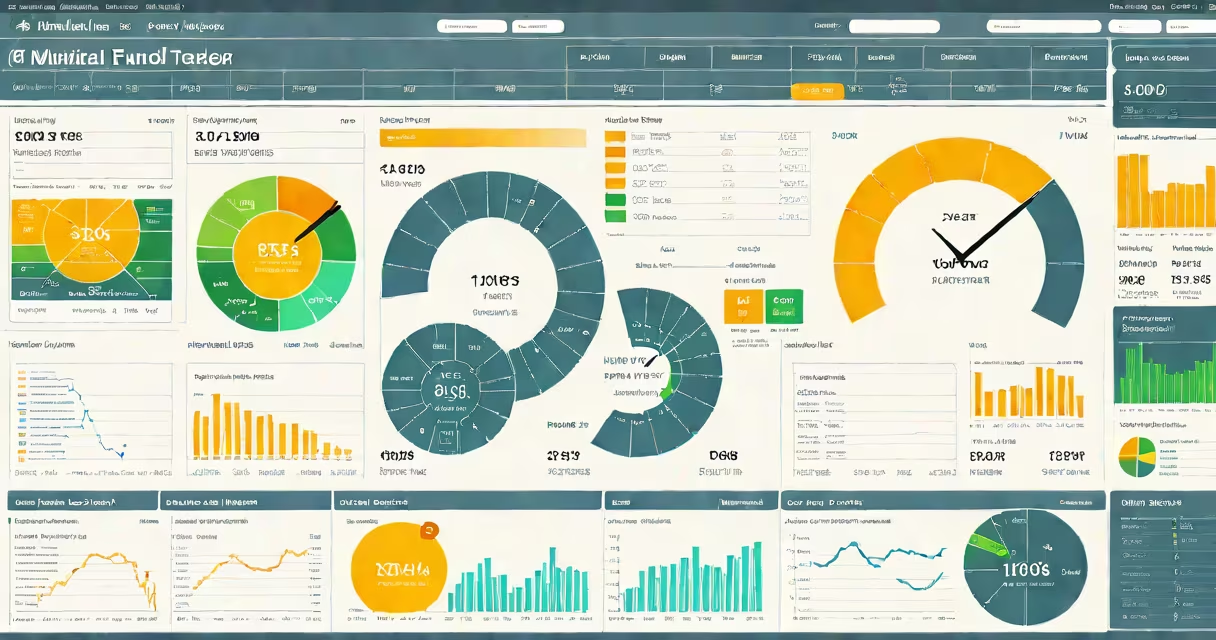
A mutual fund tracker is a tool that monitors the performance, holdings, and value of your mutual fund investments in real time, updating daily based on market data and fund disclosures.
These trackers pull data from public filings, exchange reports, and fund company websites to show changes in net asset value (NAV), dividend distributions, and portfolio composition. They're used by investors to assess returns, rebalance portfolios, and detect shifts in fund strategy.
For example, if you hold shares in the awshx mutual fund, a tracker displays its current NAV, year-to-date return, expense ratio, and top 10 holdings. This allows you to compare its performance against benchmarks like the S&P 500 or peer funds.
Trackers rely on standardized data feeds from regulatory bodies such as the U.S. Securities and Exchange Commission (SEC). Funds file quarterly reports (Form N-CEN) and annual reports (Form N-1A), which include detailed holdings and performance metrics.
Automated systems scrape this data and update investor dashboards within hours of filing. Some platforms integrate with brokerage accounts via APIs, syncing transaction history and current balances automatically.
For instance, a tracker linked to your Fidelity account pulls your holdings in the fbgrx mutual fund and compares its 3-year return (6.8%) against the Morningstar category average (5.2%). It flags underperformance and alerts you if the fund's exposure to emerging markets exceeds its stated mandate.
Trackers vary by feature set and integration level. The most common types are:
| Type | Features | Best For |
|---|---|---|
| Basic free tracker | Public data only, daily updates, no alerts | Investors checking performance once a week |
| Brokerage-integrated tracker | Real-time NAV, transaction sync, tax reporting | Active investors managing multiple funds |
| Custom portfolio tracker | Custom alerts, risk scoring, scenario modeling | High-net-worth individuals or advisors |
Free tools like Morningstar's Fund Screener offer basic tracking using SEC filings. Brokerage platforms such as Charles Schwab or Fidelity provide deeper integration, including automatic reinvestment tracking and tax-loss harvesting suggestions.
Custom trackers built with Python scripts or Excel formulas can model hypothetical scenarios. For example, one investor used a tracker to simulate how shifting 15% of their awshx mutual fund allocation into a low-cost index fund would have reduced volatility during the 2022 market downturn.
Many assume mutual fund trackers reflect real-time trading prices like stocks. That's incorrect. Mutual funds price once per day after markets close, based on the day's closing values. A tracker showing a $1.23 NAV at 10:00 AM reflects yesterday's closing price, not live movement.
Another mistake is equating a tracker's performance metric with future results. A tracker shows historical returns, not forecasts. The S&P 500's 10-year average return is 10.1%, but past performance doesn't guarantee future gains.
Some users think trackers can replace financial advice. While they provide transparency, they don't assess risk tolerance or tax implications. A tracker may show the fbgrx mutual fund has a 12% drawdown in Q1, but it won't explain whether that aligns with your long-term goals.
Without one, you're relying on periodic statements or manual checks. A tracker automates monitoring, reducing the chance of missing key changes.
For example, in 2023, the awshx mutual fund disclosed a shift from large-cap U.S. equities to small-cap international stocks. Investors who hadn't tracked this change were surprised by increased volatility and lower dividend yields.
I built a personal tracker using Google Sheets and the Morningstar API. It pulled monthly fund data, calculated rolling 3-year returns, and flagged funds with rising expense ratios. Over six months, it caught a 0.3% increase in fees for one fund-enough to erode 1.8% of returns annually.
Regulatory sources confirm that consistent tracking improves decision-making. According to the Financial Industry Regulatory Authority (FINRA), 62% of retail investors who track fund performance regularly make fewer emotional trades than those who don't.
Use a mutual fund tracker to stay informed about your investments. It's not a substitute for research, but it's essential for accountability and clarity.