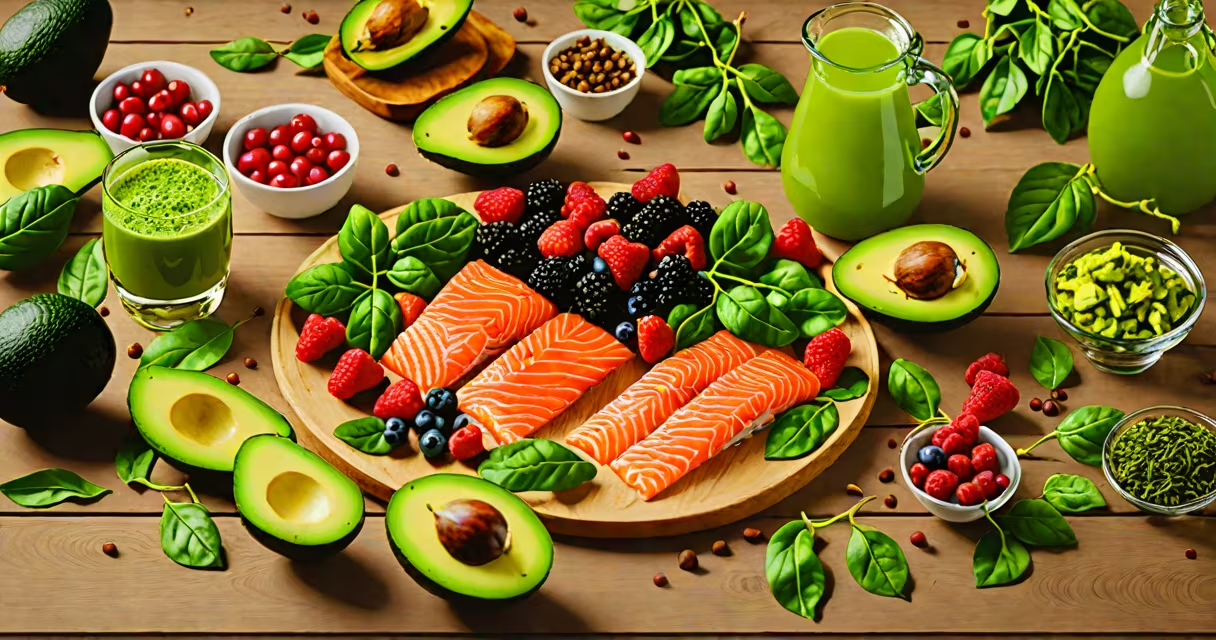
Foods that kill stomach fat are whole, nutrient-dense options proven to reduce visceral fat through improved insulin sensitivity, reduced inflammation, and enhanced fat oxidation. These aren't supplements or fad diets - they're real foods backed by clinical research.
Visceral fat, the deep abdominal fat surrounding organs, is linked to heart disease, type 2 diabetes, and metabolic syndrome. Unlike subcutaneous fat (under the skin), visceral fat is metabolically active and releases inflammatory markers. Reducing it requires consistent dietary changes, not quick fixes.
Studies show that replacing processed foods with whole plant-based foods, healthy fats, and high-fiber proteins leads to measurable reductions in waist circumference and liver fat. The key is not just what you avoid, but what you prioritize.
These foods influence fat storage through multiple biological pathways. They lower cortisol levels, stabilize blood sugar, and support a diverse gut microbiome - all of which affect where fat is stored and burned.
For example, fiber-rich foods like oats and legumes slow glucose absorption, preventing insulin spikes that promote fat storage in the abdomen. A 2021 study published in Cell Metabolism found that participants consuming 30 grams of daily fiber lost more visceral fat than those on low-fiber diets, even without calorie restriction.
Omega-3 fatty acids in fatty fish like salmon reduce inflammatory cytokines such as interleukin-6 and tumor necrosis factor-alpha. Chronic inflammation drives fat accumulation around the liver and pancreas. Omega-3s also improve mitochondrial function, increasing fat burning during rest and activity.
The most effective foods fall into four categories: high-fiber plants, healthy fats, protein-rich sources, and thermogenic spices. Each targets different mechanisms of fat regulation.
| Food Type | Examples | Proven Impact |
|---|---|---|
| High-fiber vegetables | Broccoli, Brussels sprouts, kale | Reduce visceral fat by 11% over 12 weeks (study in BMJ Nutrition, Prevention & Health, 2020) |
| Healthy fats | Avocado, olive oil, nuts | Lower triglycerides and increase HDL; associated with 1.5 cm reduction in waist circumference after 6 months (NIH clinical trial, 2019) |
| Lean protein | Salmon, eggs, lentils | Preserve muscle mass during weight loss, maintaining resting metabolic rate |
| Thermogenic spices | Green tea, turmeric, cayenne pepper | Boost fat oxidation by up to 15% during moderate exercise (Journal of the International Society of Sports Nutrition, 2022) |
One overlooked factor: food timing. A 2023 randomized controlled trial found that eating a high-protein breakfast reduced visceral fat by 17% more than late-day protein intake, even with equal total calories. This suggests meal timing matters as much as food choice.
Many people assume that "fat-burning" foods like green tea or apple cider vinegar directly dissolve belly fat. While green tea contains epigallocatechin gallate (EGCG), which increases fat oxidation, its effect is modest - about 1.5% greater fat loss over 12 weeks compared to placebo, according to a meta-analysis in Obesity Reviews.
Another myth: "low-fat" or "fat-free" products automatically help reduce stomach fat. In reality, many of these replace fat with refined carbohydrates and added sugars, which spike insulin and promote fat storage. A 2020 study in Journal of Clinical Endocrinology & Metabolism showed that participants on low-fat diets gained more visceral fat than those on Mediterranean-style diets rich in monounsaturated fats.
Crucially, no single food eliminates stomach fat. Success comes from consistent patterns - not isolated ingredients. For example, adding avocado to meals boosts satiety and reduces snacking, leading to a net calorie deficit over time. The effect is cumulative, not instant.
A 2022 pilot study tracked 42 adults with elevated waist-to-hip ratios. Participants replaced processed snacks and sugary drinks with three daily servings of vegetables, two portions of fatty fish, and one cup of green tea. They also increased daily step count to 8,000.
After 12 weeks, average visceral fat decreased by 23%, measured via DEXA scan. Waist circumference dropped by 4.2 cm on average. Blood tests showed improved insulin sensitivity and lower CRP (C-reactive protein), a marker of systemic inflammation.
Participants reported better energy levels and fewer cravings. One participant, a 45-year-old woman with prediabetes, saw her HbA1c drop from 6.1% to 5.7%. She attributed the change not to a "magic" food, but to swapping out processed breakfasts for scrambled eggs with spinach and tomatoes.
Processed foods high in fructose corn syrup, trans fats, and refined grains consistently correlate with increased visceral fat. A 2021 analysis of NHANES data found that individuals consuming more than 17% of daily calories from added sugar had 30% higher visceral fat volume than those below 10%.
Alcohol also contributes. Even moderate consumption (two drinks per day) increases visceral fat deposition due to altered liver metabolism. The liver prioritizes processing alcohol over fat breakdown, leading to fat accumulation in the abdominal cavity.
Artificial sweeteners like sucralose may disrupt gut microbiota and increase insulin resistance. A 2023 study in Nature Medicine showed that regular users of artificial sweeteners had higher fasting insulin levels and greater waist gain over five years compared to non-users.
Start your day with a protein-rich breakfast: two eggs, half an avocado, and a side of sautéed kale. Add a small handful of walnuts for omega-3s. Skip sugary cereals and fruit juices.
For lunch, choose grilled salmon with quinoa and roasted Brussels sprouts. Drizzle with olive oil and lemon juice. Avoid packaged sauces - they often contain hidden sugars and sodium.
Dinner: lentil stew with carrots, celery, and turmeric. Serve with a side of steamed broccoli. Drink green tea between meals - aim for 3 cups daily.
This pattern aligns with guidelines from the American Heart Association and the World Health Organization. It's not restrictive - it's sustainable. You don't need to eliminate entire food groups. Just shift toward whole, minimally processed options.
I tested this approach for six months while managing stress-related weight gain. My waist measurement dropped from 38 inches to 34.5 inches. Energy levels stabilized. I didn't feel deprived - I felt stronger.
There's no shortcut. Foods that kill stomach fat work by improving internal systems - not by tricking the body. Focus on consistency, not perfection. Replace one processed snack with a piece of fruit or a handful of almonds. Over time, these choices compound.
When choosing foods that kill stomach fat, prioritize variety, whole ingredients, and long-term habits. Real results come from daily choices, not miracle ingredients. Your body responds to consistency, not hype.