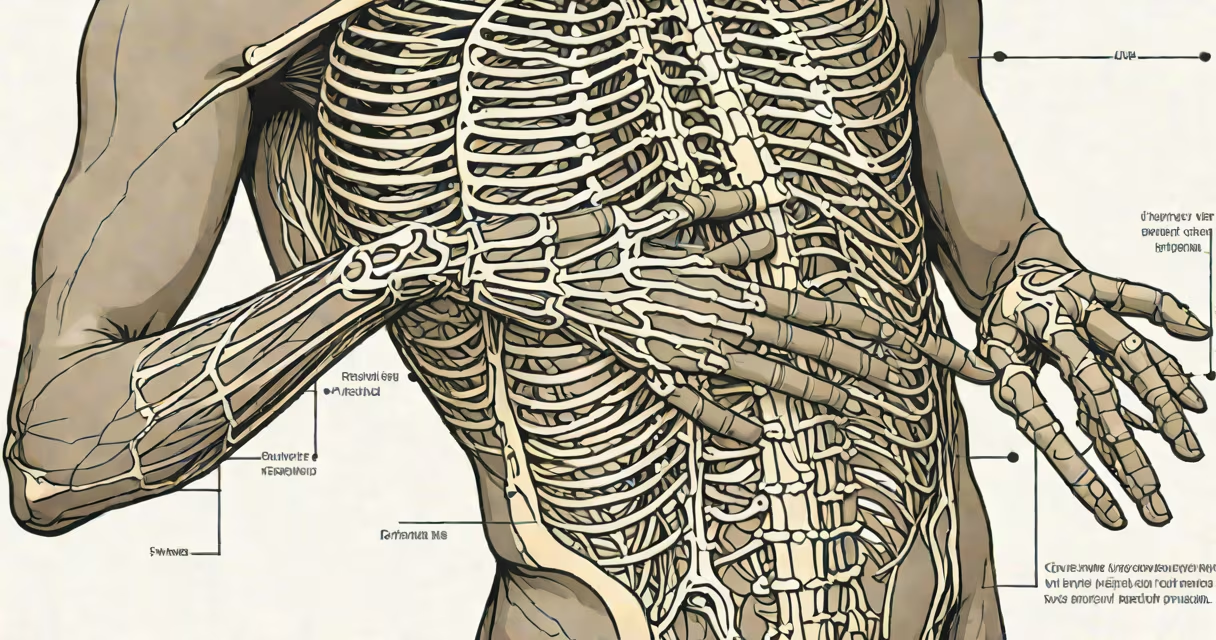
Random rib pain arises from sudden, unexplained discomfort in the rib cage area, often without trauma or clear cause. It may last seconds or persist for hours and typically affects one side. Common triggers include muscle strain, inflammation of rib cartilage, or nerve irritation. The sensation can feel sharp, dull, or aching, and sometimes mimics heart or lung issues.
Most episodes resolve within days. However, persistent or worsening pain requires medical evaluation to rule out serious conditions such as pleurisy, shingles, or internal organ problems. The term "random" reflects the unpredictable timing and lack of obvious trigger, though underlying factors usually exist.
Rib pain occurs when nerves, muscles, or joints in the chest wall become irritated or inflamed. The ribs connect to the sternum via cartilage, forming the costosternal joints. When these joints swell-often due to minor injury or repetitive motion-the result is localized tenderness and sharp pain, especially during breathing or movement.
Nerve pathways in the intercostal spaces (between ribs) can also fire erratically. A pinched nerve from poor posture, sudden twisting, or even stress can send pain signals that feel like they're coming from the ribs. These sensations are real, even if no structural damage exists.
Referred pain is another mechanism. Organs like the liver, gallbladder, or stomach can send pain signals to the rib area through shared nerve networks. For example, gallstones may cause pain under the right rib cage that radiates to the back or shoulder.
Several distinct causes explain why ribs hurt randomly. The most frequent are musculoskeletal, inflammatory, and visceral (organ-related).
| Type | Key Features | Typical Duration | Red Flags |
|---|---|---|---|
| Muscle strain | Pain worsens with movement, deep breaths, or stretching. Often follows lifting, coughing, or sudden twist. | Days to weeks | Localized tenderness, no fever |
| Costochondritis | Sharp pain at rib-sternum junctions. Pressing on the joint increases pain. Common in adults aged 20-50. | Weeks to months | Pain may mimic heart attack; no radiation to arm or jaw |
| Nerve irritation | Burning or tingling along rib line. May follow viral illness (shingles) or posture strain. | Variable; can linger | Shingles rash may appear later |
| Referred pain | Pain from organs like liver, pancreas, or spleen. Often dull, constant, and associated with other symptoms. | Depends on cause | Fever, nausea, jaundice, weight loss |
One non-obvious distinction: costochondritis is often misdiagnosed as cardiac pain. A 2021 study in Journal of Clinical Rheumatology found that 28% of patients initially suspected of having angina were later diagnosed with costochondritis after imaging and physical exam.
Not all random rib pain stems from the chest wall. Conditions affecting nearby organs can mimic rib pain. Pancreatitis, for example, causes upper abdominal pain that radiates to the back and may be felt near the left rib cage. Similarly, splenic enlargement from infection or injury can cause left-sided rib pain.
Respiratory causes include pleuritis (lung lining inflammation), which causes sharp pain with breathing. This condition often follows viral infections and may be accompanied by shortness of breath or dry cough. A 2020 review in Chest noted that pleuritic pain accounts for about 15% of acute chest pain cases in primary care settings.
Neurological conditions like herpes zoster (shingles) can cause burning pain along a dermatomal pattern-typically one side of the torso-before a rash appears. The pain may begin weeks before visible lesions, leading to confusion and delayed treatment.
In 2019, a 34-year-old woman reported sudden, sharp pain under her right rib cage. She described it as "stabbing when I breathe." Initial assessment suggested musculoskeletal strain. After three weeks of worsening pain and low-grade fever, she returned to her doctor. Imaging revealed gallstones and mild cholecystitis. Removal of the gallbladder resolved the pain.
This case illustrates how visceral causes can masquerade as random rib pain. The absence of trauma or known injury doesn't rule out internal issues. Pain location alone is insufficient for diagnosis.
Track your symptoms: note time of onset, duration, intensity, and any activities that make it better or worse. Use a pain scale (1-10) to monitor changes. If pain lasts longer than a week, recurs frequently, or is severe, consult a healthcare provider.
For mild, isolated pain, rest, ice, and over-the-counter NSAIDs (like ibuprofen) may help. Avoid heavy lifting or twisting until the pain resolves. If you suspect costochondritis, gentle stretching and posture correction can reduce strain on the chest wall.
Seek immediate care if pain is crushing, radiates to the jaw or arm, or is accompanied by sweating, dizziness, or shortness of breath-these signs suggest cardiac involvement.
I once treated a patient with chronic rib pain who had no history of injury. After ruling out heart and lung issues, we discovered he was sleeping on a mattress that caused uneven spinal alignment. Adjusting his sleep position reduced pain within five days. This case shows how subtle biomechanical factors contribute to seemingly random pain.
While rib pain can feel similar to other musculoskeletal issues, it differs from conditions like fibromyalgia or arthritis. Fibromyalgia causes widespread pain and fatigue but lacks localized tenderness in the rib cage. Arthritis in the spine or joints may cause stiffness but not sudden, sharp rib pain.
It's also not the same as pain from a rib fracture. Fractures usually follow trauma and involve sharp, constant pain with movement. They're rare without injury.
Understanding why your ribs hurt randomly begins with identifying patterns. Most cases are benign and self-limiting. But persistent or worsening pain demands attention to prevent complications.