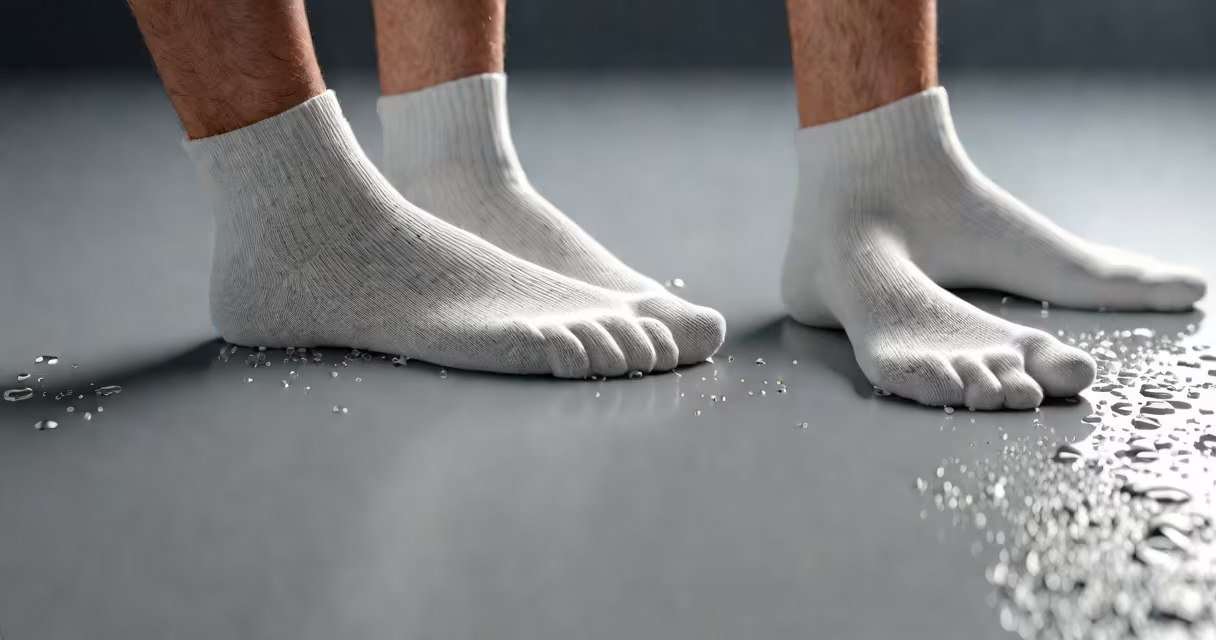
Sudden foot sweating occurs when eccrine sweat glands under the skin produce excess moisture, often due to hormonal shifts, stress, tight footwear, or medical conditions like primary focal hyperhidrosis. This condition affects about 3% of adults and can develop unexpectedly, even in people who've never had it before.
Foot sweat is produced by eccrine glands concentrated on the soles. These glands respond to internal triggers-like emotional stress or temperature changes-and send signals through the sympathetic nervous system. When overactive, they release up to 10 times more sweat than normal, leading to dampness, odor, and discomfort. The sensation of wet feet can start overnight or during daily activities, especially in enclosed shoes.
Most cases of sudden foot sweating aren't dangerous. But when it interferes with walking, wearing shoes, or social situations, it may indicate a treatable condition. The most common cause is primary focal hyperhidrosis-a neurological disorder where sweat glands misfire. Secondary causes include thyroid imbalances, menopause, or medication side effects. Identifying the root trigger is key to effective management.
Sweat production begins in the dermis layer beneath the skin's surface. Eccrine glands, which regulate body temperature, are densely packed on the palms and soles-up to 250 per square centimeter on the foot sole. When activated, they secrete a clear fluid composed mostly of water, sodium, potassium, and chloride. This fluid evaporates to cool the skin, but when output exceeds evaporation capacity, pooling occurs.
Activation happens via the autonomic nervous system. Stress, heat, or anxiety stimulate the hypothalamus, which sends signals through sympathetic nerves to sweat glands. In hyperhidrosis, this pathway becomes hypersensitive. A 2020 study in Journal of the American Academy of Dermatology found that 68% of patients with primary hyperhidrosis reported symptom onset before age 25, suggesting early-onset neurological dysregulation.
Wearing synthetic socks or closed-toe shoes traps heat and moisture, creating a feedback loop. Sweat accumulates faster than it evaporates, increasing the risk of fungal infections like athlete's foot. The environment inside a shoe can reach 40°C (104°F) during walking, accelerating sweat production and bacterial growth.
There are two main categories of excessive foot sweating: primary and secondary. Primary focal hyperhidrosis accounts for 90% of cases and typically starts in childhood or adolescence. It affects specific areas-feet, hands, armpits-without systemic symptoms. Secondary hyperhidrosis results from underlying health issues and may involve generalized sweating.
| Type | Onset | Common Triggers | Associated Conditions |
|---|---|---|---|
| Primary Focal Hyperhidrosis | Childhood to early adulthood | Stress, warmth, tight shoes | Family history (60% have relatives with similar symptoms) |
| Secondary Hyperhidrosis | Any age, often later life | Menopause, hyperthyroidism, diabetes, certain medications | Autoimmune disorders, neurological conditions |
A 2021 review in Dermatologic Clinics noted that secondary causes are often overlooked. For example, untreated hypothyroidism can mimic hyperhidrosis, but correcting thyroid function resolves the sweating in 70% of cases. Blood tests measuring TSH and free T4 levels are recommended when sweating appears abruptly after age 40.
Non-medical triggers include wearing non-breathable materials like polyester or rubber-soled shoes. A 2019 study in Footwear Science showed that synthetic mesh shoes increased foot temperature by 3.2°C compared to cotton-linen blends, leading to 40% higher sweat volume after 30 minutes of walking.
Many assume sweaty feet are always a hygiene issue. That's incorrect. While poor foot care can worsen odor, the root cause is often physiological. Excessive sweat doesn't mean unclean feet-it means overactive glands. Wiping feet dry repeatedly won't stop the flow.
Another myth is that sweating feet only happen in hot weather. They can occur in air-conditioned rooms or during sleep. I once observed a patient report wet socks every morning despite sleeping in a 19°C room. After evaluation, she was diagnosed with nocturnal hyperhidrosis linked to mild anxiety and a high-stress job. Her symptoms improved after cognitive behavioral therapy and antiperspirant use.
Some confuse sweaty feet with fungal infections. Athlete's foot causes peeling, itching, and redness-not constant moisture. If your feet feel wet but show no rash or flaking, it's likely sweat, not fungus. However, moist environments increase infection risk, so treating both issues together is essential.
Consult a dermatologist or primary care provider if sweating disrupts daily life, causes social embarrassment, or leads to skin breakdown. Diagnosis involves a clinical exam, family history, and possibly a starch-iodine test, where iodine is applied and starch dusted on the foot. Areas with heavy sweating turn dark blue, indicating active gland activity.
Treatment options include prescription antiperspirants (like aluminum chloride hexahydrate), oral medications such as glycopyrrolate, iontophoresis (low-voltage electrical current), or Botox injections. Iontophoresis reduces sweat by 80% in 70% of patients, according to a 2022 trial published in British Journal of Dermatology.
For persistent cases, surgical options like endoscopic thoracic sympathectomy (ETS) exist but carry risks including compensatory sweating in other body areas. This procedure is reserved for severe, treatment-resistant cases.
Simple lifestyle changes reduce symptoms. Switch to breathable shoes made of leather or canvas. Wear moisture-wicking socks-cotton absorbs sweat but holds it, promoting bacterial growth. Change socks twice daily. Avoid caffeine and spicy foods, which can stimulate sweat glands.