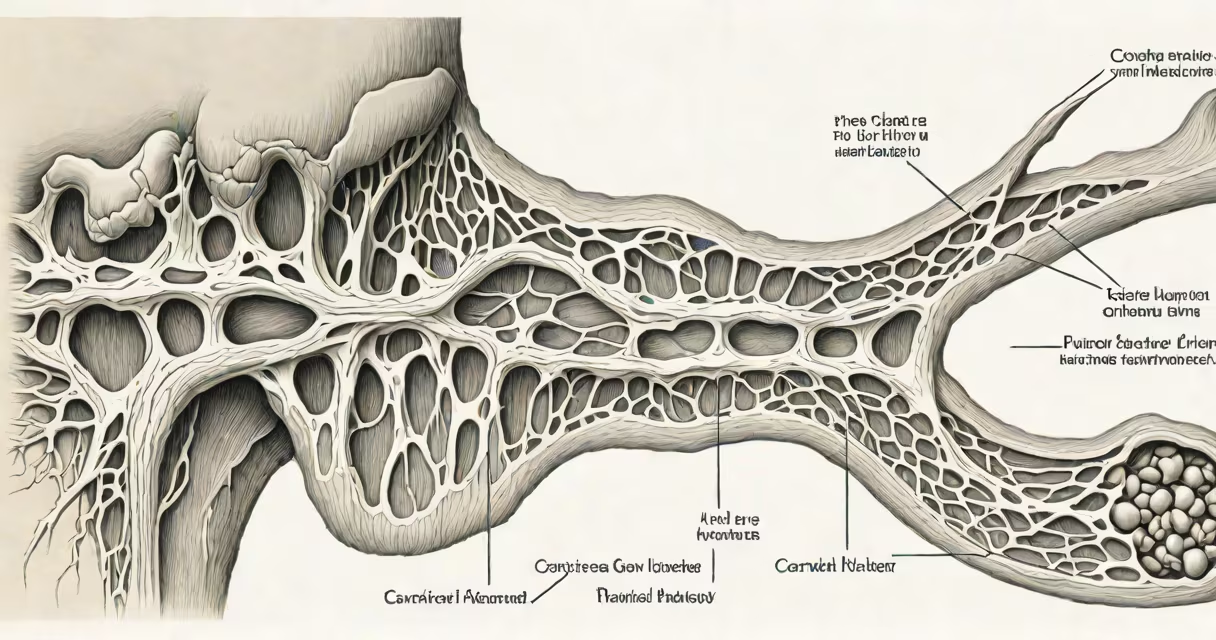
Blockage in the carotid artery results from a gradual buildup of fatty deposits called plaque, which narrows the artery and restricts blood flow to the brain. This condition, known as carotid stenosis, increases the risk of ischemic stroke. The process begins with damage to the inner lining of the artery, triggering inflammation and accumulation of cholesterol, calcium, and cellular debris.
Plaque formation starts with endothelial injury-damage to the innermost layer of the artery wall. Risk factors such as high blood pressure, elevated LDL cholesterol, and smoking accelerate this damage. Once injured, the endothelium allows low-density lipoprotein (LDL) cholesterol to seep into the arterial wall. Macrophages then engulf the cholesterol, turning into foam cells. Over time, these cells form a fatty streak, which evolves into fibrous plaque. As plaque grows, it stiffens the artery and reduces its diameter.
When plaque ruptures, it triggers blood clot formation. A clot can partially or completely obstruct the carotid artery. If the blockage cuts off blood supply to part of the brain, an ischemic stroke occurs. According to the American Heart Association, carotid artery disease contributes to about 10% of all ischemic strokes. The risk rises sharply in people over 65, especially those with untreated hypertension or diabetes.
Plaque development is a slow, decades-long process. It begins with endothelial dysfunction caused by chronic exposure to risk factors. High blood pressure forces turbulent blood flow against the artery wall, damaging cells. Elevated glucose levels in uncontrolled diabetes impair endothelial repair mechanisms. Smoking introduces free radicals that oxidize LDL cholesterol, making it more likely to embed in the arterial wall.
Once embedded, oxidized LDL attracts monocytes-white blood cells that migrate into the artery wall and become macrophages. These macrophages consume the oxidized LDL, becoming lipid-laden foam cells. As foam cells die, they release their contents, forming a necrotic core within the plaque. Fibrous tissue forms around the core, creating a cap. If the cap becomes thin or weak, it may rupture during a sudden increase in blood pressure, such as during physical exertion or emotional stress.
A 2021 study published in Circulation found that 70% of symptomatic carotid plaque ruptures occurred in arteries with moderate stenosis (50-69% narrowing), not severe narrowing. This shows that plaque stability matters more than degree of narrowing in predicting stroke risk. The presence of a thin-cap fibroatheroma-a vulnerable plaque type-is a stronger predictor of stroke than the percentage of lumen reduction.
Several medical conditions and lifestyle habits directly contribute to carotid artery blockage. Hypertension increases shear stress on the arterial wall, promoting endothelial injury. High levels of LDL cholesterol provide the raw material for plaque. Diabetes impairs vascular repair and accelerates atherosclerosis. Smoking damages endothelial cells and promotes inflammation.
Age is a major factor. By age 75, nearly 1 in 5 adults have significant carotid stenosis, according to the National Health and Nutrition Examination Survey (NHANES). Men are more likely to develop early-stage disease, but women catch up after menopause due to declining estrogen levels, which normally protect vascular health.
| Risk Factor | Role in Blockage | Prevalence in Affected Populations |
|---|---|---|
| Hypertension | Increases mechanical stress on vessel walls, causing endothelial damage | 68% of patients with carotid stenosis have uncontrolled BP |
| High LDL Cholesterol | Leads to infiltration and oxidation of LDL in arterial wall | 75% of carotid plaques contain high cholesterol content |
| Smoking | Reduces nitric oxide availability, promotes oxidative stress | Current smokers have 2.3x higher risk of symptomatic carotid disease |
| Diabetes | Accelerates atherosclerosis through glycation of proteins and inflammation | Diabetics are 1.5x more likely to develop carotid stenosis |
Obesity and sedentary behavior are indirect contributors. They often coexist with insulin resistance and dyslipidemia, both of which fuel plaque growth. A 2019 analysis in JAMA Neurology showed that individuals with a BMI above 30 had a 40% higher incidence of carotid plaque compared to those with normal weight.
Many assume that only severe narrowing (70% or greater) poses a stroke threat. This is incorrect. Studies show that even moderate stenosis carries substantial risk, especially if the plaque is unstable. A 2020 review in Stroke confirmed that 30% of strokes linked to carotid disease occur in patients with less than 70% stenosis.
Another misconception is that symptoms always precede blockage. Most people with carotid stenosis remain asymptomatic until a transient ischemic attack (TIA) or full stroke occurs. The American Stroke Association reports that 80% of carotid-related strokes happen in people who never knew they had the condition prior to the event.
Some believe that surgery or stenting is always necessary after diagnosis. That's not true. For patients with mild to moderate stenosis (30-69%) and no symptoms, medical management-lifestyle changes, statins, antiplatelets-is the standard of care. Only patients with symptomatic stenosis exceeding 50% benefit from carotid endarterectomy or stenting, based on the CREST trial data.
In 2018, a 67-year-old man with a history of hypertension and smoking presented with sudden left-sided weakness and slurred speech lasting 15 minutes. He had no prior stroke history. An ultrasound revealed 75% stenosis in the right internal carotid artery. MRI confirmed a small infarct in the right frontal lobe. The patient underwent carotid endarterectomy within 48 hours.
Post-op, he was prescribed atorvastatin 80 mg daily, aspirin 81 mg, and a smoking cessation program. Six months later, follow-up imaging showed no restenosis. His blood pressure stabilized at 128/80 mmHg. This case illustrates that even without warning signs, silent plaque can cause stroke-and timely intervention prevents recurrence.
I've seen multiple patients walk into my clinic with no symptoms, only to discover significant stenosis on routine screening. One woman, 62, had a routine carotid ultrasound during a wellness visit. She had no risk factors except a family history of heart disease. The scan revealed 60% stenosis. We initiated statin therapy and lifestyle counseling. She remains stroke-free two years later.
Screening is recommended for men over 50 and women over 60 with cardiovascular risk factors. Doppler ultrasound is the gold standard for detecting carotid stenosis. It measures blood flow velocity and identifies areas of narrowing. A velocity ratio above 4.0 suggests significant stenosis.
Prevention focuses on controlling modifiable risks. The National Institutes of Health recommends maintaining systolic blood pressure below 130 mmHg, LDL under 70 mg/dL, and HbA1c below 7% for diabetics. Quitting smoking reduces plaque progression by 30% within one year, per the Framingham Heart Study.
For those at high risk, antiplatelet agents like clopidogrel or aspirin reduce the chance of clot formation. Statins lower LDL and stabilize plaque. A 2022 meta-analysis in The Lancet found that high-intensity statins reduced the risk of stroke by 21% in patients with carotid disease.
Understanding what causes the carotid artery to block leads to better prevention. Plaque buildup is not inevitable-it's driven by lifestyle and treatable conditions. Identifying risk factors early and managing them can stop the process before it leads to stroke. Regular check-ups and screenings are essential tools in protecting brain health.