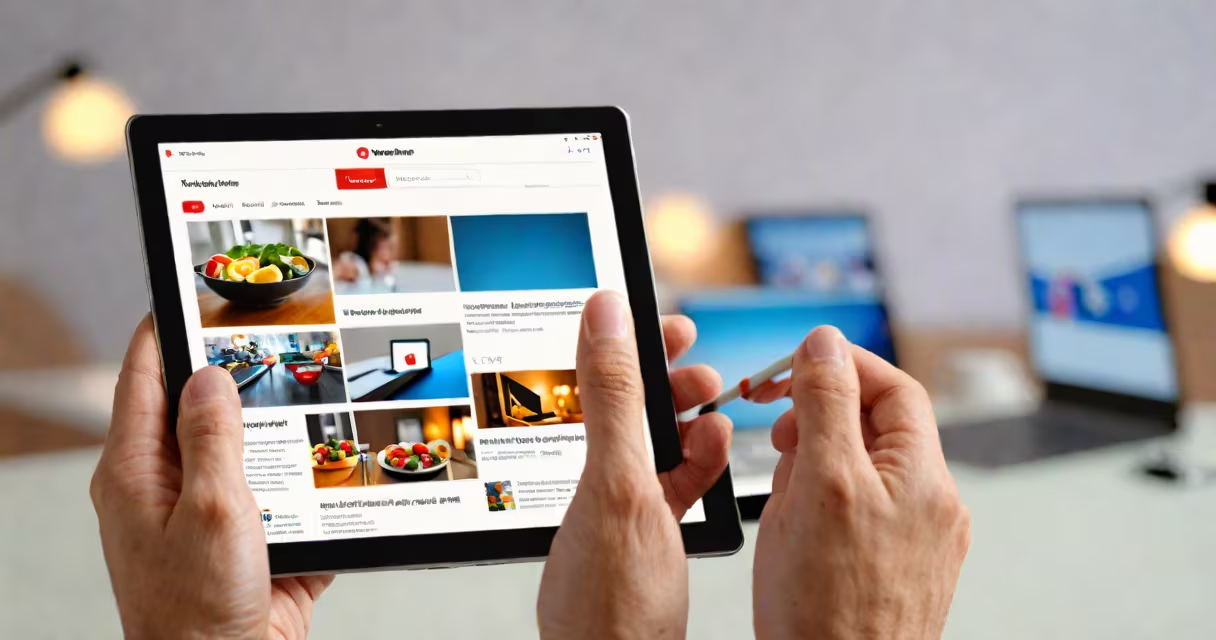
Browse means to explore digital content without a specific goal, such as scrolling through a website, app, or online catalog to discover information, products, or entertainment. It's the act of scanning options rather than searching for a precise answer.
When you open a streaming service and flip through movie thumbnails, or open a shopping site and skim product images without adding anything to your cart, you're browsing. This differs from searching, which involves typing a specific term into a search bar to find a known result.
The term originated in the early 1980s in computing contexts, referring to going through file systems or databases. Today, it applies broadly to online activity, especially on mobile devices and social platforms. According to Merriam-Webster, "browse" entered the digital lexicon around 1984, describing the casual inspection of data.
Browsing happens through interfaces designed for passive exploration. Web browsers like Chrome or Safari load pages based on URLs or links clicked. Apps use swipe gestures, infinite scroll, or recommendation algorithms to keep users engaged. Each action sends signals to servers about what content is viewed, how long it's seen, and whether it's skipped.
For example, when you open Instagram and scroll through your feed, the app tracks which posts you pause on, like, or skip. These interactions train the algorithm to show similar content later. The system doesn't wait for a search query-it assumes you're browsing and adapts accordingly.
Unlike targeted searches, browsing leaves no clear endpoint. You don't stop because you found something; you stop because you're tired, distracted, or the session ends. This makes browsing a key metric in user engagement analytics.
Browsing varies by context and intent. The most common forms include:
| Type | Description | Example |
|---|---|---|
| Passive browsing | Viewing content without interaction or intent to act | Scrolling through TikTok videos while waiting in line |
| Active browsing | Exploring with a loose goal, such as comparing options | Checking multiple airline websites before booking a flight |
| Goal-directed browsing | Using browsing as a step toward a decision, even if not searching | Looking at car models on a dealership site before calling for a quote |
Passive browsing dominates social media use. Active browsing often occurs during research phases. Goal-directed browsing blends exploration with intention, making it common in e-commerce.
Browsing shapes how people interact with digital services. Platforms like YouTube, Amazon, and Pinterest rely on browsing behavior to serve ads, recommend content, and retain users. A 2021 study by Pew Research Center found that 68% of U.S. adults use social media primarily to browse, not to connect with friends or share updates.
Businesses track browsing patterns to improve user experience. For example, Netflix uses viewing duration and pause frequency during browsing to refine its recommendation engine. If users consistently skip the first minute of a show, the platform may adjust its thumbnail or title to reduce bounce rates.
Privacy concerns arise because browsing generates detailed behavioral data. Every click, scroll, and dwell time is logged. The Electronic Frontier Foundation notes that tracking cookies and device fingerprinting allow companies to build profiles of users' interests-even if they never sign in.
Browsing is often confused with searching. People assume both involve finding information, but they differ in structure and intent. Searching requires a query-"best hiking boots under $100"-and returns results ranked by relevance. Browsing lacks a query; it relies on curated feeds or visual navigation.
A less obvious error is assuming browsing is harmless. While it feels low-stakes, browsing generates data that influences pricing, content visibility, and personalization. For instance, if you browse luxury watches on a travel site, you may later see higher-priced hotel options, even if you didn't search for them.
Another misconception is that browsing is always leisurely. In reality, many professionals spend hours browsing industry reports, competitor websites, or academic journals. This is still browsing-not searching-because the purpose is discovery, not retrieval of a known fact.
Consider someone planning a vacation. They open a travel site and start browsing destinations. They don't enter "flights to Bali" into a search bar. Instead, they click on "Top Destinations," scroll through photos, read short descriptions, and watch video clips. They might visit five different country pages before deciding.
This process is browsing. The user isn't looking for a single answer-they're gathering impressions. After browsing, they may switch to searching: "flights from New York to Bali in June." But the initial phase was pure exploration.
Amazon uses browsing data to suggest related items. If you browse women's winter coats, the site may display "Customers who viewed this also viewed..." with matching styles. This is not search-based-it's driven by behavioral patterns collected during browsing sessions.
I once spent 45 minutes browsing a museum's online collection during a slow afternoon. I wasn't researching a specific artwork. I clicked through ancient Egyptian artifacts, paused on a painted sarcophagus, then moved to Greek vases. The site showed me other pieces from the same period. I didn't save anything or make a purchase. I just kept going. That was browsing-curiosity-driven, unstructured, and satisfying in its own way.
The meaning of browse is not just "to look at things online." It's a deliberate form of digital exploration that shapes user behavior, informs platform design, and fuels personalized experiences. Recognizing when you're browsing versus searching helps you manage time, avoid distractions, and understand how your online actions are tracked.
Understanding the meaning of browse clarifies how digital spaces work. It's not passive-it's active engagement shaped by design, intent, and data. exploring a new hobby online, you're participating in a behavior that defines modern digital life.