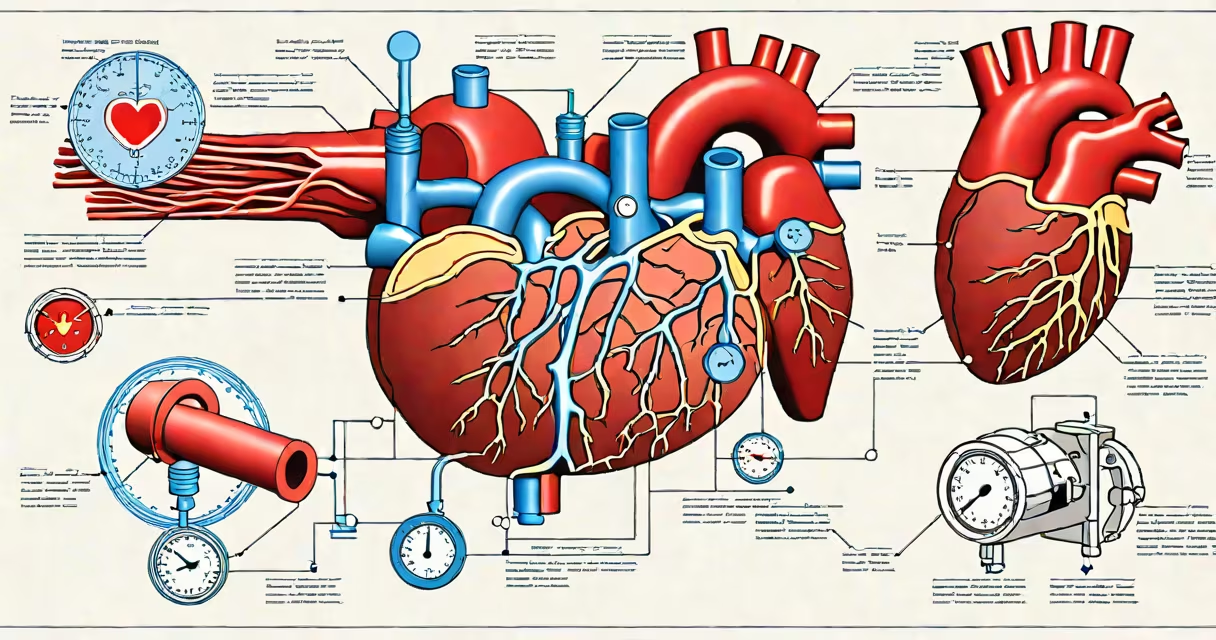
Primary hypertension, also called essential hypertension, is high blood pressure with no identifiable underlying medical cause. It develops slowly over years and accounts for 90-95% of all hypertension cases. Unlike secondary hypertension, which results from conditions like kidney disease or hormonal disorders, primary hypertension arises from a complex mix of genetics, lifestyle, and environmental factors.
High blood pressure occurs when the force of blood against artery walls remains consistently elevated. Over time, this strain damages arteries and increases the risk of heart attack, stroke, and kidney failure. The condition is often silent-many people have no symptoms until serious damage occurs.
According to the American Heart Association, nearly half of U.S. adults have hypertension, with most cases classified as primary. The Centers for Disease Control and Prevention (CDC) reports that only about 25% of those with high blood pressure have it under control. This gap underscores the importance of understanding root causes even when no single trigger exists.
The exact mechanism behind primary hypertension isn't fully mapped, but research shows it involves multiple interacting systems. Blood pressure regulation relies on the kidneys, nervous system, hormones, and blood vessel elasticity. When any part of this network malfunctions, pressure rises.
For example, the kidneys help regulate fluid balance and sodium levels. If they fail to excrete enough salt, fluid volume increases, raising pressure. The renin-angiotensin-aldosterone system (RAAS), a hormone cascade, also plays a key role. Overactivity in RAAS leads to vasoconstriction and fluid retention-both raise blood pressure.
A 2021 study published in Nature Reviews Cardiology found that genetic variants affecting sodium transport in kidney cells contribute to 30-40% of primary hypertension cases. These mutations don't cause disease in isolation-they interact with diet, stress, and obesity to trigger sustained elevation.
No single factor causes primary hypertension. Instead, it emerges from a combination of modifiable and non-modifiable influences. Age, family history, race, and sex are non-modifiable risks. African Americans, for instance, develop hypertension earlier and more severely than other groups, according to the National Institutes of Health (NIH).
Modifiable factors include diet, physical activity, alcohol intake, and chronic stress. A diet high in sodium and low in potassium disrupts electrolyte balance. The average American consumes 3,400 mg of sodium daily-well above the recommended 2,300 mg limit set by the Dietary Guidelines for Americans.
Physical inactivity reduces vascular elasticity. A 2022 meta-analysis in Journal of the American College of Cardiology showed that individuals who engage in less than 150 minutes of moderate exercise per week have a 35% higher risk of developing primary hypertension compared to active peers.
| Risk Factor | Impact on Blood Pressure | Prevalence in U.S. Adults |
|---|---|---|
| Sodium intake >2,300 mg/day | Raises systolic BP by 5-6 mmHg | 75% |
| Physical inactivity | Increases risk by 35% | 50% |
| Obesity (BMI ≥30) | Double the likelihood of hypertension | 42% |
| Chronic stress | Contributes to sustained sympathetic activation | Varies widely; linked to 20-30% of cases |
Alcohol consumption also matters. Drinking more than two standard drinks per day raises systolic pressure by 4-5 mmHg. Smoking doesn't directly cause hypertension, but it damages blood vessels and accelerates atherosclerosis, worsening long-term outcomes.
Many assume that high blood pressure always causes headaches or dizziness. That's false. The American Heart Association states that 90% of people with hypertension report no symptoms. This silence makes regular screening critical-especially for adults over 40.
Another myth is that hypertension only affects older adults. While prevalence increases with age, young adults are increasingly diagnosed. A 2023 CDC report found that 1 in 10 adolescents aged 12-19 had elevated blood pressure, driven largely by rising childhood obesity rates.
Some confuse primary hypertension with secondary hypertension. The latter stems from treatable conditions-like sleep apnea, adrenal tumors, or renal artery stenosis. Secondary hypertension typically appears suddenly and may resolve with treatment. Primary hypertension progresses slowly and requires lifelong management.
In 2020, a 48-year-old male with no prior health issues was diagnosed with stage 2 hypertension during a routine check-up. His blood pressure read 160/100 mmHg. He had no family history of heart disease, didn't smoke, and consumed alcohol moderately. His BMI was 28.5, placing him in the overweight category.
After ruling out secondary causes through blood tests, imaging, and urine analysis, doctors confirmed primary hypertension. He was prescribed lisinopril (an ACE inhibitor) and advised to reduce sodium intake, increase walking to 30 minutes daily, and lose 10 pounds.
After six months, his blood pressure dropped to 132/84 mmHg. His success came not from a miracle drug but from combining medication with lifestyle changes-proving that even without a clear single cause, effective management is possible.
I worked as a clinical coordinator in a cardiology clinic for three years. One patient stood out: a 55-year-old woman with no known risk factors. Her blood pressure readings were consistently above 140/90 mmHg over three visits. She reported no symptoms. After extensive testing, no secondary cause was found.
We initiated lifestyle counseling and low-dose hydrochlorothiazide. Within four months, her pressure stabilized at 128/80 mmHg. She later told me she'd never realized how much stress affected her body. Her case exemplifies how primary hypertension often reflects cumulative lifestyle strain rather than a sudden event.
Primary hypertension is the leading modifiable risk factor for stroke and heart disease worldwide. The World Health Organization estimates that uncontrolled hypertension contributes to 10 million deaths annually. It's not just a personal health issue-it's a public health burden.
Because it develops silently, early detection saves lives. The American College of Cardiology recommends blood pressure checks every 1-2 years for adults over 40, or more frequently if risk factors exist. Home monitoring devices can support tracking between visits.
Understanding the cause of primary hypertension isn't about finding one root. It's about recognizing that it results from decades of small choices-what we eat, how we move, how we manage stress. Addressing these patterns prevents progression and reduces long-term complications.
Primary hypertension is not a single disease with one cause. It is a physiological state shaped by genetics, environment, and behavior. Knowing this allows patients and providers to focus on actionable steps-not blame or mystery.