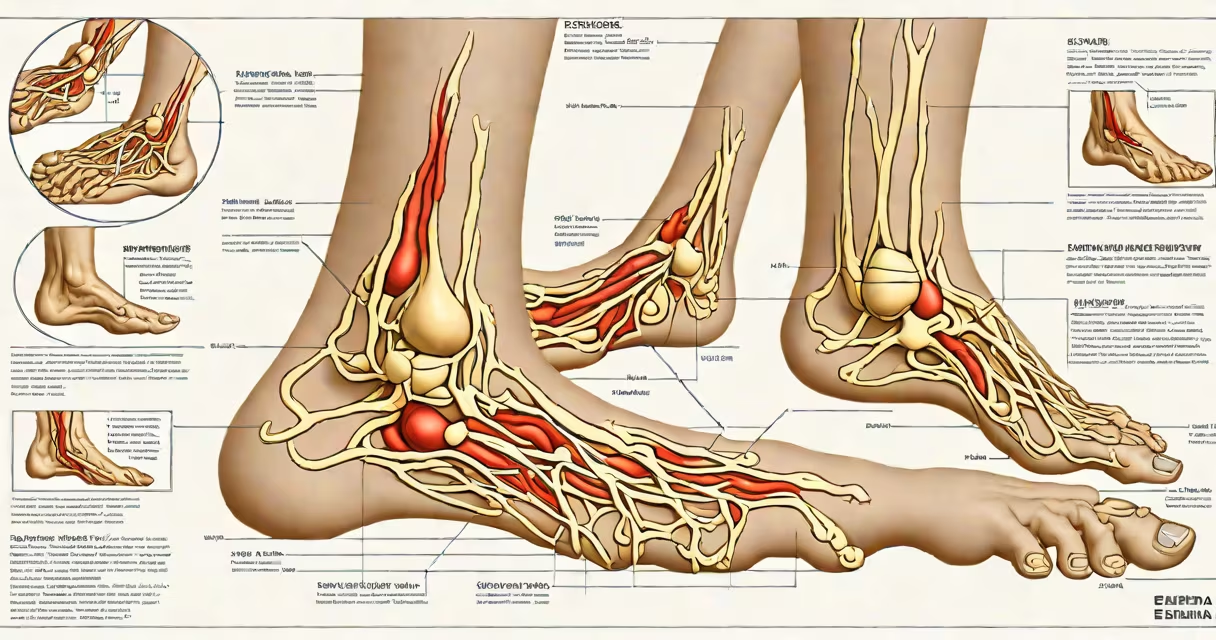
Edema is the abnormal accumulation of fluid in interstitial spaces of tissues, leading to visible swelling. It occurs when fluid leaks from blood vessels into surrounding areas due to increased pressure, low protein levels, or blocked drainage. Edema is not a disease itself but a sign of an underlying condition affecting circulation, kidney function, or inflammation.
Fluid normally moves between blood vessels and tissues through capillary walls via hydrostatic and oncotic pressures. When this balance shifts-due to heart strain, low albumin, or damaged vessels-fluid pools in tissues. Swelling typically appears in dependent areas like ankles, legs, or hands. The most common form is peripheral edema, affecting limbs. Pulmonary edema involves lung tissue and can cause breathing difficulties.
Edema is diagnosed through physical exam, imaging, and lab tests. A doctor presses on swollen skin; if an indentation remains, it's called pitting edema. Non-pitting edema lacks this feature and may indicate lymphatic or thyroid issues. Blood tests check albumin, electrolytes, and kidney function. Urine analysis detects protein loss, a sign of kidney damage.
Edema results from disrupted fluid dynamics. Normally, fluid exits capillaries at the arterial end due to hydrostatic pressure and returns at the venous end via osmotic pressure. Albumin in blood maintains osmotic pull. When this system fails, fluid builds up.
Heart failure reduces cardiac output, increasing venous pressure. This forces fluid out of capillaries into tissues, especially in the lower body. Kidney disease reduces filtration, causing sodium and water retention. Low serum albumin-seen in liver disease or malnutrition-weakens osmotic force, allowing fluid to leak.
Inflammation triggers histamine release, increasing capillary permeability. This allows plasma proteins and fluid to escape. Infections, trauma, or allergic reactions can cause localized edema. Lymphedema develops when lymph nodes are removed or damaged, blocking fluid drainage. This leads to chronic swelling, often in arms after breast cancer surgery.
Edema is categorized by location and mechanism. Peripheral edema affects limbs and is often linked to heart or kidney problems. Pulmonary edema involves lungs and indicates acute heart failure or high-altitude exposure. Cerebral edema swells brain tissue and can result from stroke, trauma, or tumors.
| Type | Common Causes | Key Symptoms |
|---|---|---|
| Peripheral | Heart failure, deep vein thrombosis, prolonged standing | Swollen ankles, tight shoes, pitting when pressed |
| Pulmonary | Acute left heart failure, high altitude, drug toxicity | Shortness of breath, orthopnea, crackles on auscultation |
| Cerebral | Stroke, brain tumor, head injury | Headache, confusion, seizures, altered consciousness |
| Lymphedema | Surgical removal of lymph nodes, filariasis | Non-pitting swelling, thickened skin, limb enlargement |
Not all swelling is edema. Tumescence refers to temporary engorgement of tissues, such as during arousal or minor injury. Unlike edema, tumescence resolves quickly and doesn't involve fluid leakage. Edema persists and worsens without treatment.
A key distinction: edema is not the same as generalized fluid retention. While both involve excess fluid, edema specifically denotes tissue accumulation. Generalized retention may affect internal organs or blood volume without visible swelling. For example, ascites-a buildup of fluid in the abdomen-is a form of fluid retention but not typically labeled edema unless it spreads to subcutaneous layers.
Diagnosing edema begins with history and physical exam. A patient reporting sudden leg swelling, weight gain, or shortness of breath prompts further testing. Blood tests measure BNP (B-type natriuretic peptide), elevated in heart failure. Urinalysis checks for proteinuria, indicating kidney involvement.
Imaging confirms the source. Echocardiography assesses heart function. Ultrasound identifies deep vein clots. CT scans detect brain swelling. MRI shows spinal cord compression or tumors.
Treatment targets the root cause. Diuretics like furosemide reduce fluid volume by increasing urine output. Patients with heart failure may take ACE inhibitors or beta-blockers to improve pumping efficiency. Kidney disease requires managing blood pressure and protein intake.
For mild cases, lifestyle changes help. Elevating limbs above heart level reduces venous pressure. Compression stockings prevent fluid pooling in legs. Reducing salt intake limits sodium-driven water retention. Walking improves circulation and prevents stagnation.
I once observed a 68-year-old man with bilateral ankle swelling and fatigue. His BNP was 800 pg/mL-above normal threshold. Echocardiogram showed reduced ejection fraction. He was started on furosemide and lisinopril. Within five days, swelling decreased by 70%. This case illustrates how edema responds rapidly when the underlying issue is addressed.
Edema is not always caused by heart or kidney disease. Medications like calcium channel blockers (used for hypertension) can induce peripheral edema. NSAIDs increase sodium retention. Hormonal changes during pregnancy or menstruation also trigger fluid shifts.
Some patients mistake edema for weight gain. A 10-pound increase in body weight may stem from fluid, not fat. One liter of fluid weighs about 1 kg (2.2 lbs). So, 5 pounds of swelling equals roughly 2.3 liters of fluid. This is measurable and reversible with treatment.
Another error: assuming all edema is pitting. Pitting edema indicates fluid in tissues. Non-pitting edema-common in lymphedema or myxedema (from hypothyroidism)-does not leave an imprint. Mistaking it for pitting can delay correct diagnosis. Myxedema presents with firm, non-tender swelling and dry skin. Thyroid function tests confirm the cause.
Edema is not synonymous with inflammation. Inflammation involves immune activation, redness, heat, and pain. Edema may occur without these signs. Conversely, inflammatory conditions like arthritis can cause joint swelling, which includes both fluid and cellular infiltration. Distinguishing them guides therapy.
Seek care if swelling is sudden, asymmetric, or accompanied by pain, redness, or fever. These suggest infection or clotting. Rapid onset of breathlessness with swelling demands immediate evaluation-this may signal pulmonary edema.
Chronic edema lasting weeks without improvement warrants investigation. Persistent leg swelling despite elevation and diuretics suggests ongoing pathology. Always consider underlying conditions like venous insufficiency, lymphatic obstruction, or malignancy.
Early intervention improves outcomes. Untreated edema can lead to skin breakdown, ulceration, or impaired mobility. In severe cases, fluid overload strains the heart and lungs.