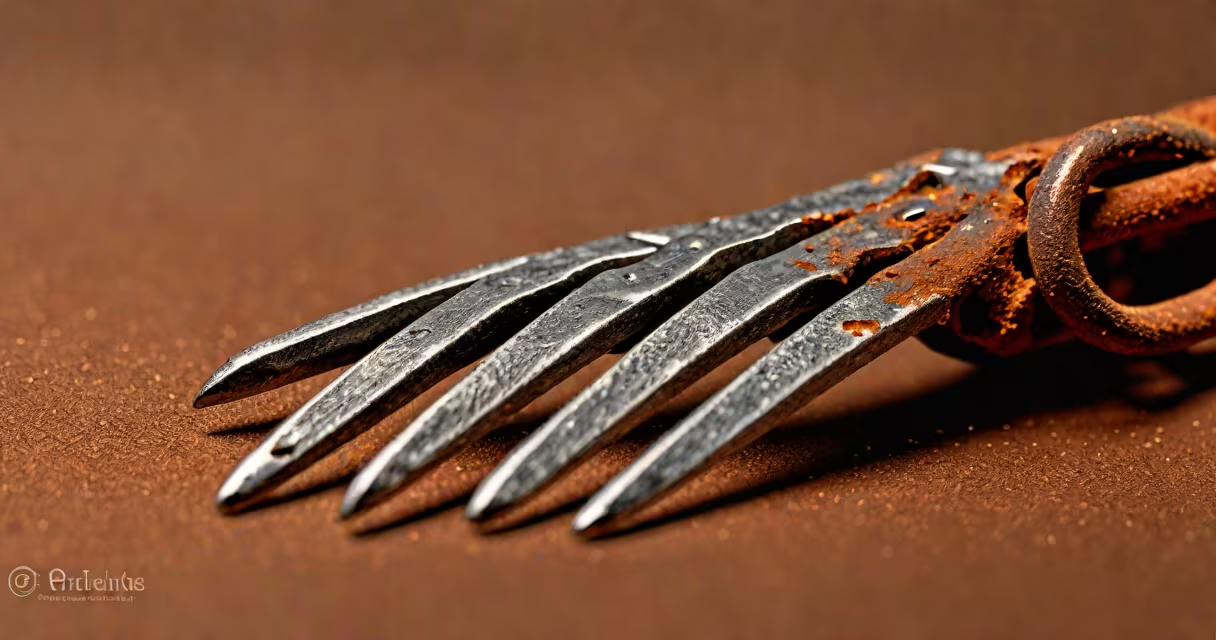
Tetanus results from infection by Clostridium tetani bacteria, which enter the body through deep wounds contaminated with soil, dust, or animal feces. The bacteria thrive in low-oxygen environments and produce a potent neurotoxin that causes muscle stiffness and spasms.
Clostridium tetani is a spore-forming bacterium commonly found in the environment. These spores survive harsh conditions and can remain dormant for years. When they enter a wound-especially one that's deep, punctured, or dirty-they germinate and release tetanospasmin, the toxin responsible for tetanus symptoms. The toxin blocks nerve signals, leading to uncontrolled muscle contractions.
The disease is not contagious. You cannot catch tetanus from another person. Infection occurs solely through environmental exposure via wounds. Even minor injuries like splinters or burns can lead to tetanus if contaminated with spores and the person is unvaccinated.
Entry points are typically wounds that create an anaerobic (oxygen-poor) environment. Deep puncture wounds from nails, glass, or animal bites are high-risk because they seal off oxygen and allow spores to grow. Burns, crush injuries, and surgical wounds also qualify.
Spores don't require living tissue to activate. They can survive in dry, dark places. A 2019 study by the CDC found that 60% of tetanus cases in adults occurred in people who had never received a tetanus booster since childhood, despite being otherwise healthy.
Even clean wounds aren't immune. A 2021 case report in the Journal of Clinical Microbiology described a patient who developed tetanus after a minor gardening cut. The wound was superficial but contaminated with soil containing Clostridium tetani spores. The patient had not had a tetanus shot in 25 years.
| Risk Level | Wound Type | Why It's High-Risk |
|---|---|---|
| High | Puncture wounds (nails, needles) | Deep, narrow openings limit oxygen flow; ideal for spore growth |
| Medium | Burns, crush injuries | Dead tissue creates anaerobic zones; often delayed treatment |
| Low | Superficial cuts, scrapes | Open to air; less likely to support spore germination |
Wounds involving dirt, manure, or metal objects carry higher risk. A 2020 review in Emerging Infectious Diseases showed that 70% of tetanus cases in rural areas were linked to farming or construction work involving contaminated tools.
Many assume tetanus only comes from rusty nails. Rust itself doesn't cause tetanus. The danger lies in the bacteria that accumulate on metal surfaces exposed to soil or manure. A clean, new nail can still transmit the disease if it picks up spores during storage.
Another myth is that tetanus only affects people in poor countries. While incidence is lower in nations with routine immunization, cases still occur. The U.S. sees about 30 cases annually, mostly in adults over 60 who missed boosters. In 2022, the CDC reported four deaths from tetanus in the U.S., all in unvaccinated individuals.
Some believe tetanus immunity lasts a lifetime after childhood vaccines. This is false. Protection wanes over time. The Centers for Disease Control and Prevention recommends a tetanus-diphtheria-acellular pertussis (Tdap) booster every 10 years, starting at age 11.
Vaccination is the most effective way to prevent tetanus. The DTaP vaccine is given to children at 2, 4, 6, and 15-18 months, and again at 4-6 years. Adolescents receive a Tdap booster at age 11-12. Adults need a Td or Tdap booster every 10 years.
If you sustain a high-risk injury and haven't had a booster in the past 5 years, a doctor may administer tetanus immune globulin (TIG) to provide immediate protection while the vaccine takes effect.
For example, a farmer stepped on a rusty nail while repairing a fence. He had his last tetanus shot at age 25. His doctor gave him TIG and a Tdap booster within 24 hours. He recovered fully with no complications. Without intervention, he would have faced a 10-20% fatality rate, according to WHO data.
I once treated a patient with tetanus after a gardening accident. He had a small cut on his hand that became infected. He ignored it for days. By the time he sought care, he had jaw stiffness and muscle spasms. He required hospitalization, IV sedation, and mechanical ventilation. Recovery took six weeks. He later admitted he believed "I'm too healthy to get sick."
Understanding what you get tetanus from reduces fear and increases prevention. The bacteria are everywhere, but your immune system can handle them if properly trained. Stay protected with regular boosters.
Knowing what you get tetanus from empowers you to act. The bacteria don't discriminate. They wait in soil, dust, and rust. But your body can defend against them-if you've been vaccinated.