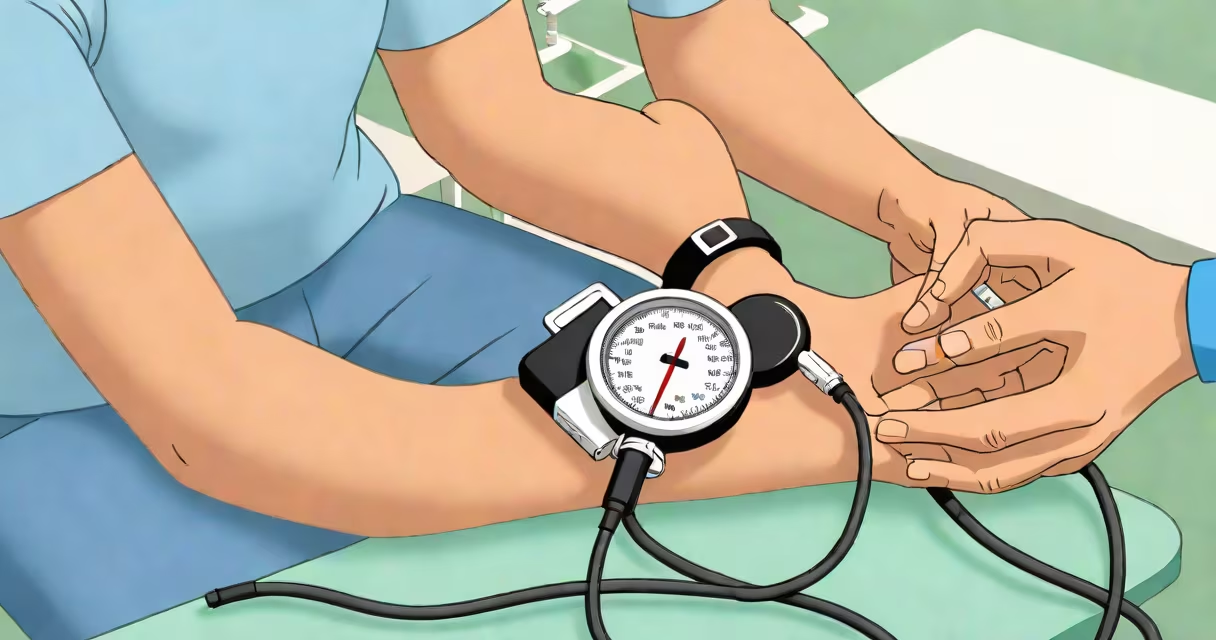
An athlete's blood pressure is the measurement of force exerted by circulating blood against the walls of arteries, typically lower than non-athletes due to enhanced cardiovascular efficiency. This reflects a heart that pumps more effectively with less effort, often resulting in resting systolic pressures below 120 mm Hg and diastolic below 80 mm Hg.
For competitive athletes, blood pressure is routinely assessed during pre-participation screenings. These readings help identify underlying conditions such as hypertension or hypotension that may affect performance or increase injury risk. A reading of 110/70 mm Hg, common in endurance-trained individuals, indicates strong cardiac output and vascular elasticity.
Unlike sedentary adults, elite athletes often exhibit bradycardia-lower resting heart rates-and reduced peripheral resistance, both contributing to lower blood pressure. The American Heart Association notes that consistent readings below 120/80 mm Hg are considered optimal, even among high-performance populations.
Blood pressure results from cardiac output and systemic vascular resistance. In athletes, regular aerobic training increases stroke volume-the amount of blood pumped per beat-reducing the need for frequent contractions. This lowers workload on the heart and reduces arterial pressure.
Endurance athletes such as marathon runners or cyclists show average resting systolic values around 105-115 mm Hg and diastolic between 60-70 mm Hg. Resistance-trained athletes, like weightlifters, may have higher readings during training due to acute increases in intravascular pressure, but their resting levels remain stable or slightly low.
Hydration status, electrolyte balance, and training phase influence measurements. For example, a study published in the Journal of Sports Sciences found that elite swimmers had lower resting blood pressure compared to non-athletic peers, even after controlling for age and BMI.
There are two primary types of blood pressure readings: systolic (top number) and diastolic (bottom number). Systolic measures pressure during heart contraction; diastolic measures pressure between beats. Both are essential for assessing cardiovascular health in athletes.
| Reading Type | Normal Range for Athletes | When to Seek Evaluation |
|---|---|---|
| Systolic | 90-120 mm Hg | Consistently above 130 mm Hg |
| Diastolic | 60-80 mm Hg | Consistently above 85 mm Hg |
Readings taken during rest, not exercise, are most relevant for baseline assessment. Using a properly calibrated device, seated for five minutes, arms supported at heart level ensures accuracy. The American College of Sports Medicine recommends measuring blood pressure at least twice, with a one-minute pause, to confirm consistency.
Some assume low blood pressure in athletes signals weakness or poor fitness. The opposite is true-low resting blood pressure in trained individuals correlates with improved cardiovascular function. However, abnormally low readings (<90/60 mm Hg) may indicate dehydration, overtraining, or orthostatic hypotension, especially if accompanied by dizziness or fainting.
A key error is interpreting blood pressure during intense activity. During maximal exertion, systolic pressure can rise to 200 mm Hg or higher in elite athletes-a normal physiological response. Measuring blood pressure immediately after exercise leads to false positives for hypertension. Waiting 10-15 minutes post-exercise allows for accurate baseline evaluation.
Another misunderstanding involves gender differences. Female athletes often have lower blood pressure than males due to smaller body size and hormonal influences. A female collegiate soccer player with a reading of 108/68 mm Hg is within normal limits, despite being below the general population average.
In 2022, a 28-year-old male marathoner presented for annual screening with a blood pressure of 106/64 mm Hg. His resting heart rate was 48 bpm. He reported no symptoms of fatigue, lightheadedness, or chest pain. His physician reviewed his history and confirmed he had no family history of heart disease.
Based on guidelines from the European Journal of Preventive Cardiology, this profile met criteria for healthy athletic physiology. No further testing was needed. The athlete continued training without medication or restriction.
Contrast this with a 24-year-old female triathlete whose reading was 132/88 mm Hg during a routine check. She reported occasional palpitations. Further evaluation revealed early-stage hypertension. After lifestyle adjustments and follow-up, her numbers stabilized at 122/78 mm Hg. This illustrates that while low blood pressure is typical in athletes, elevated readings require attention.
Monitoring athletes blood pressure helps prevent sudden cardiac events. The National Collegiate Athletic Association (NCAA) mandates pre-participation exams including blood pressure checks. In 2019, a Division I basketball player was diagnosed with undiagnosed hypertension after a routine screening revealed a reading of 150/95 mm Hg. Early intervention prevented a potential stroke.
Understanding athletes blood pressure also aids in managing performance. Chronic low blood pressure can impair oxygen delivery to muscles during prolonged exertion. Conversely, consistently high readings suggest stress on the cardiovascular system, increasing long-term risk.
During my time volunteering at a youth track and field clinic, I observed a 16-year-old sprinter with a reading of 102/60 mm Hg. His coach expressed concern. I explained that this was typical for a highly conditioned adolescent. His energy levels, recovery times, and competition results remained excellent. No intervention was necessary.
Athletes blood pressure is not a single number-it's a changing indicator shaped by training, hydration, genetics, and timing. Normal values vary widely across individuals, but consistency and context matter more than absolute numbers. Regular tracking, proper technique, and clinical judgment separate healthy adaptation from true pathology.