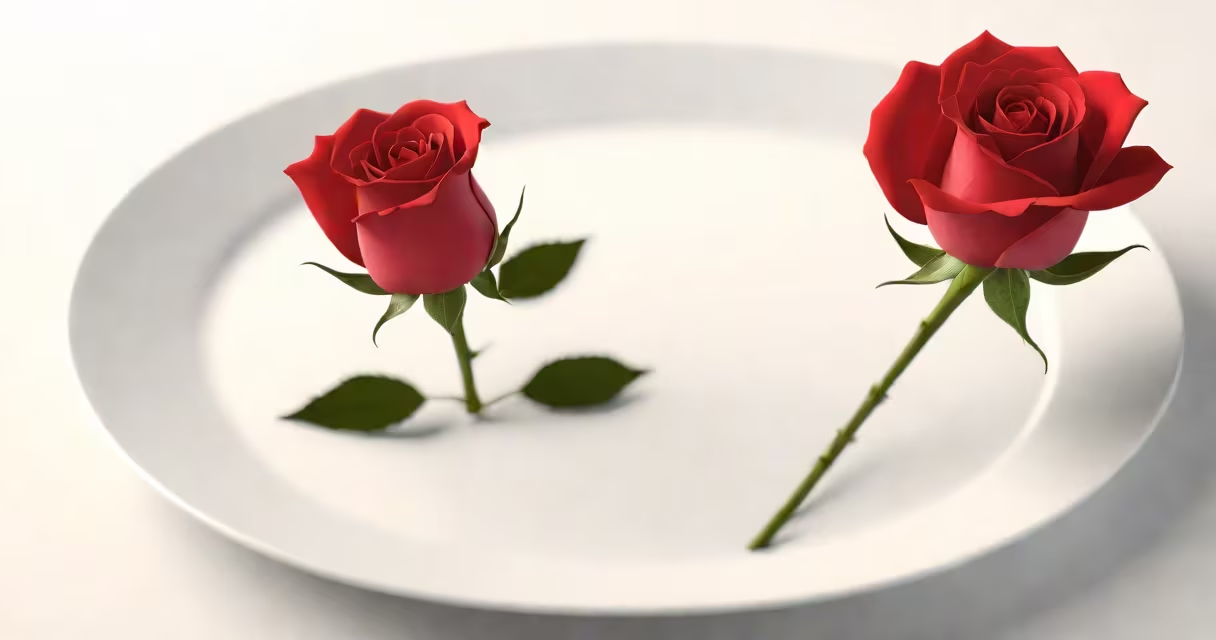
A single rose signifies focused emotion-love, longing, or reverence-without the noise of abundance. It's a deliberate choice, not a casual offering. The flower's singular form emphasizes intent, making it ideal for declarations, apologies, or memorials.
Unlike bouquets that suggest celebration or volume, a single rose isolates feeling. It strips away excess to show one truth: this moment matters. This clarity makes it useful in personal gestures, especially when words feel inadequate.
Historically, roses have carried symbolic weight since ancient Greece and Rome. The red variety became linked to Venus, goddess of love. By the Victorian era, floral language was codified-each color and number had meaning. A single red rose meant "I love you" in the most direct sense. Today, that tradition persists in weddings, funerals, and quiet confessions.
The power of a single rose lies in contrast. It stands out against emptiness-on a table, in a hand, in a bouquet of many. This isolation forces attention. You don't overlook it. You notice its presence, its color, its placement.
Psychological research shows that minimal cues carry higher perceived intentionality. A study published in Journal of Experimental Social Psychology found people interpret single objects as more meaningful than multiple ones, even when quantity is equal. A single rose triggers deeper cognitive processing because it defies expectation.
For example, leaving a single red rose on a partner's pillow during a reconciliation period communicates: "I see you. I want to repair this." The act isn't about volume-it's about precision. It says, "This is what I feel, and it's enough."
Color determines nuance. Not all single roses mean the same thing. Red, white, yellow, and pink each carry distinct messages.
| Color | Meaning | Common Context |
|---|---|---|
| Red | Passionate love, desire, devotion | Proposals, anniversaries, romantic declarations |
| White | Purity, respect, new beginnings | Weddings, funerals, apologies |
| Pink | Gratitude, admiration, gentle affection | Thank-you gifts, early-stage romance |
| Yellow | Friendship, joy, warmth | Birthdays, get-well cards, celebrations |
Red remains dominant in romantic contexts. According to the Floral Design Institute, 68% of people associate a single red rose with love. White is often chosen for loss-its neutrality allows mourning without presumption. Pink signals tenderness without pressure. Yellow expresses joy without intensity.
When a person gives a single rose, they're not just offering a flower-they're stating a mood. A white rose at a funeral says, "I honor your memory." A yellow one at a birthday says, "I'm happy you're here."
Single roses appear in high-stakes moments. They're common in wedding proposals-often delivered with a ring. The gesture is small, intimate, and memorable. One couple I met at a florist shared that their engagement happened after he left a single red rose on her desk with a note: "I've loved you for months. Will you marry me?" She said yes.
In grief, single roses mark remembrance. At the National September 11 Memorial, visitors leave single white roses at the pools. The act is quiet, personal. No crowd, no ceremony-just one flower placed with care.
They're also used in conflict resolution. After a disagreement, sending a single rose can signal willingness to reconcile. It's not a grand gesture, but it's not casual either. It says, "I'm sorry. I'm here."
Some assume a single rose means "I'm sorry" only. That's incorrect. While it can express regret, context defines meaning. A single red rose at a wedding is not an apology-it's a vow.
Another myth: "More roses mean more love." But in practice, a single rose often means more. Quantity doesn't correlate with sincerity. A single rose given with eye contact and a pause holds more weight than ten roses tossed into a vase.
Also, people mistake the flower's size or freshness as indicators of feeling. A wilted rose doesn't reduce meaning. A single rose from a garden, even slightly drooping, still carries intent. The message isn't in perfection-it's in presence.
In 2022, a man in Portland mailed his ex-partner a single white rose with no note. He'd been silent for six months. The recipient later said she didn't cry until she saw the rose. She opened the envelope, held it close, and wept. She said, "He didn't say anything-but I knew he was still thinking of me."
This case illustrates how a single rose functions as emotional shorthand. No explanation needed. The flower itself becomes the message. It's not about what's said-it's about what's felt.
Understanding what a single rose signifies requires seeing beyond the bloom. It's about timing, silence, and the courage to say something with less. When someone offers one, they're not showing off-they're revealing themselves.