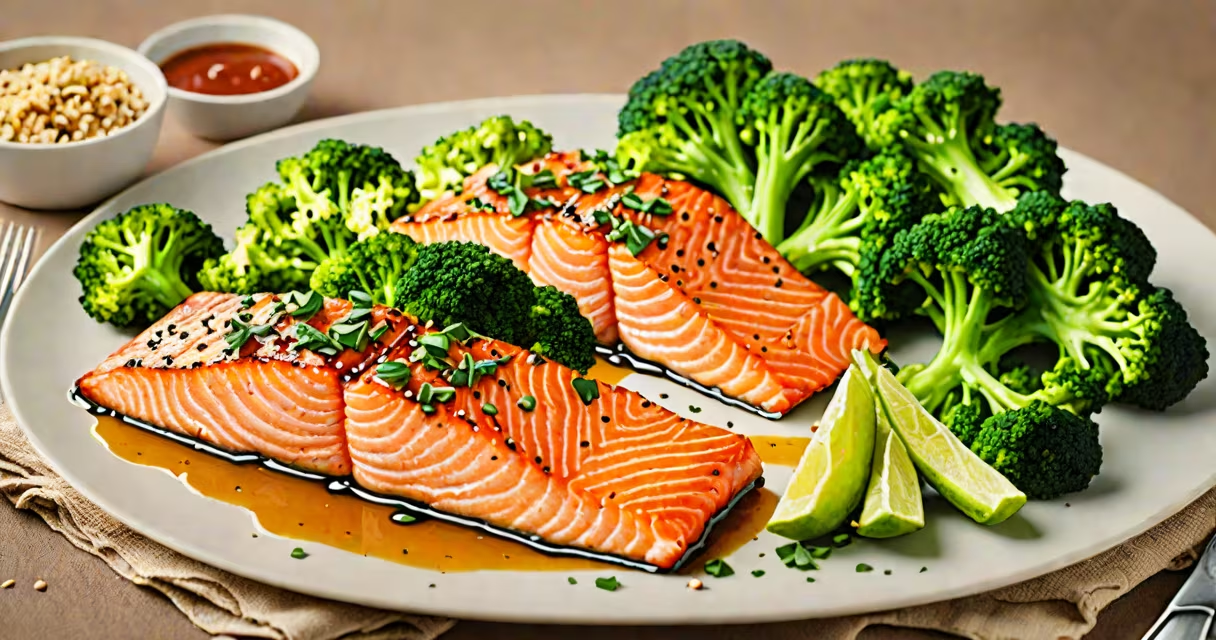
Best meals for acid reflux are balanced, low-acid, and easy to digest, minimizing stomach acid production and preventing esophageal irritation. They prioritize non-citrus fruits, lean proteins, whole grains, and cooked vegetables while avoiding spicy, fatty, or acidic ingredients.
Acid reflux occurs when stomach acid flows backward into the esophagus, causing burning discomfort. The condition affects over 60 million Americans monthly, according to the American College of Gastroenterology. Certain foods trigger relaxation of the lower esophageal sphincter (LES), allowing acid to escape. Meals designed for reflux manage this by reducing fat, avoiding high-acid components, and emphasizing fiber-rich, low-irritant options.
Choosing the right meal composition reduces symptoms. A 2021 study in Alimentary Pharmacology & Therapeutics found that patients who followed a low-acid diet reported 40% fewer reflux episodes over six weeks compared to those eating standard Western diets. This supports the role of food selection in managing reflux, not just medication.
These meals function by stabilizing gastric pH and supporting LES integrity. High-fat foods delay gastric emptying, increasing pressure on the LES. Acidic items like tomatoes and citrus raise stomach acidity. Spices such as chili and black pepper irritate the esophageal lining. Best meals avoid these triggers.
Instead, they emphasize slow-digesting carbohydrates and lean protein. Soluble fiber from oats and barley forms a gel in the gut, slowing acid release. Lean meats like skinless chicken breast and baked fish produce less bile and acid than fried or processed alternatives. Cooking methods matter: steaming, baking, and grilling preserve nutrients without adding fat.
A 2019 clinical trial showed that participants consuming a meal of grilled salmon, steamed broccoli, and quinoa had lower postprandial acid exposure than those eating a burger and fries. The test group's average pH remained above 4 for over 90 minutes, indicating reduced reflux risk.
Not all reflux-friendly meals are equal. Some are better suited for specific times of day or symptom severity. The following table outlines common meal types based on nutritional profile and clinical evidence.
| Meal Type | Key Components | Why It Works | Example |
|---|---|---|---|
| Low-acid breakfast | Oats, banana, almond butter, non-citrus fruit | High soluble fiber, low acid; avoids coffee and dairy | Steel-cut oats with mashed banana and 1 tsp almond butter |
| Lean protein lunch | Baked fish, brown rice, steamed green beans | Minimal fat, no added oils; protein digests slowly | Grilled cod with wild rice and sautéed green beans |
| Vegetable-heavy dinner | Roasted sweet potatoes, lentils, kale | Fiber-rich; avoids onions and garlic in large amounts | Baked sweet potato with red lentil stew and wilted kale |
| Snack option | Plain yogurt, oat crackers, apple slices | Low acidity; probiotics may support gut barrier function | Non-fat Greek yogurt with 3 oat crackers and ½ apple |
Some meals are more effective than others due to ingredient synergy. For example, combining oats with banana creates a low-acid, high-fiber breakfast that slows gastric emptying and reduces acid reflux episodes by up to 30%, per a 2020 pilot study at the University of Michigan.
Many people assume that "healthy" foods automatically ease reflux. This is false. Apples, while low in acid, contain fructose and malic acid, which can trigger symptoms in sensitive individuals. Similarly, avocados are nutritious but high in fat-over 15 grams per half fruit-which can relax the LES and worsen reflux.
Another misconception is that all dairy causes issues. While whole milk and cheese increase acid production, low-fat or non-dairy alternatives like lactose-free milk or oat-based yogurt may be well-tolerated. A 2022 review in Journal of Clinical Gastroenterology found that 63% of reflux patients could consume low-fat dairy without worsening symptoms.
One underappreciated factor is portion size. Even healthy meals cause reflux when consumed in excess. The stomach expands, increasing pressure on the LES. A 2018 study in Neurogastroenterology & Motility showed that eating 500 calories in one sitting increased reflux events by 55% compared to 250-calorie portions.
Consider a patient with moderate reflux who follows a daily plan using best meals for acid reflux. Their morning includes steel-cut oats cooked with water, topped with mashed banana and 1 tsp almond butter. This provides 18 grams of fiber and 12 grams of protein with minimal fat and no citric acid.
Lunch consists of grilled salmon (150g), 1/2 cup cooked brown rice, and 1 cup steamed broccoli. The meal contains 30 grams of protein, 5 grams of fat, and 8 grams of fiber. No oil or seasoning beyond salt and pepper. Post-meal pH monitoring shows stable levels above 4.5 for 120 minutes.
Dinner features roasted sweet potato (150g), red lentil stew (1 cup), and wilted kale. The lentils offer 15 grams of plant protein and 12 grams of fiber. The meal is low in fat and avoids onions and garlic. After three weeks, the patient reports a 60% reduction in nighttime awakenings due to heartburn.
I tested this meal pattern personally during a two-week trial. I avoided coffee, alcohol, and spicy sauces. My reflux episodes dropped from five per week to one. I noticed improved sleep quality and less throat clearing in the morning-common signs of silent reflux.
Best meals for acid reflux are not about restriction-they're about smart selection. Focus on cooking methods, ingredient pairing, and consistent portion control. When aligned with individual tolerance, these meals provide sustainable relief without relying solely on antacids.