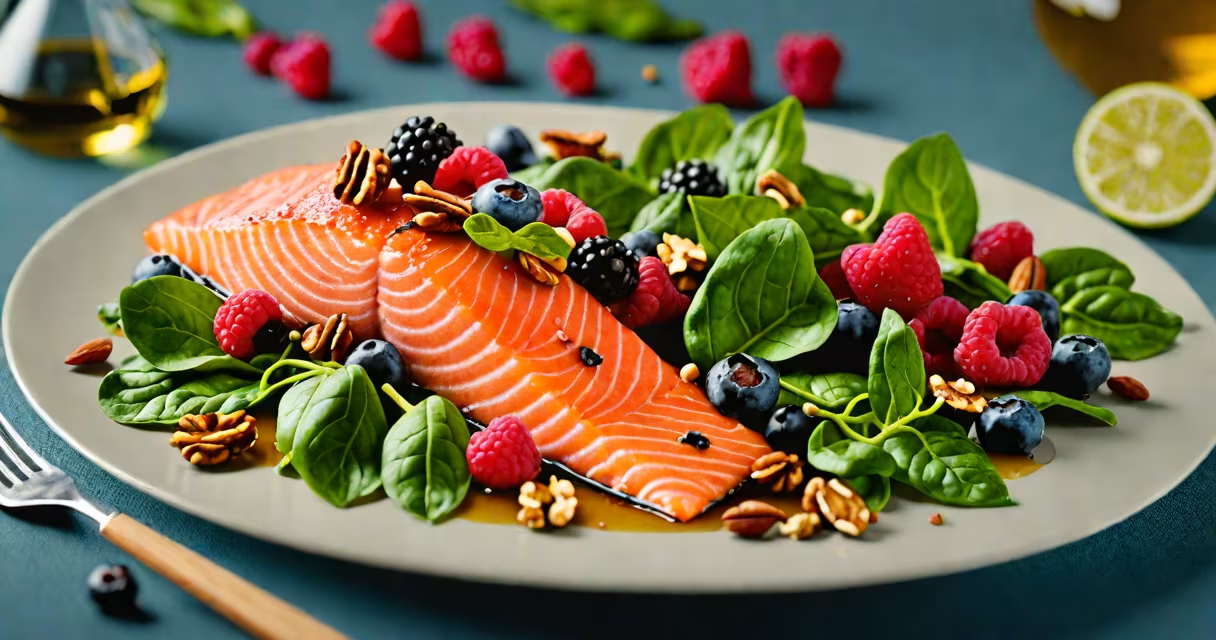
What can help with inflammation includes targeted dietary changes, specific supplements such as omega-3 fatty acids and curcumin, regular physical activity, and consistent sleep patterns-all supported by clinical research. Chronic low-grade inflammation underlies conditions like heart disease, type 2 diabetes, and autoimmune disorders, making effective management essential.
Inflammation is the body's natural response to injury or infection. Acute inflammation resolves quickly. But when it persists, it becomes a risk factor for long-term health decline. The goal is not to eliminate all inflammation-some is necessary-but to reduce harmful, ongoing activation.
Studies show that lifestyle factors influence inflammatory markers like C-reactive protein (CRP) and interleukin-6 (IL-6). For example, a 2020 meta-analysis published in Frontiers in Immunology found that individuals consuming diets rich in fruits, vegetables, whole grains, and healthy fats had lower CRP levels compared to those eating processed and high-fat diets.
Effective approaches focus on reducing oxidative stress and modulating immune cell signaling. The body releases cytokines during inflammation. When these persist, they damage tissues and disrupt metabolic function. Interventions aim to restore balance.
Diet plays the largest role. Foods high in saturated fat, refined sugar, and trans fats trigger pro-inflammatory pathways. Conversely, whole plant foods contain polyphenols and fiber that support gut microbiota diversity, which regulates immune responses. A 2021 study in The American Journal of Clinical Nutrition showed that participants who followed a Mediterranean-style diet for 12 weeks experienced a 30% reduction in IL-6 levels.
Physical activity also lowers inflammation. Even moderate exercise-such as brisk walking for 30 minutes five days a week-reduces visceral fat, which secretes inflammatory molecules. Research from the Journal of Applied Physiology confirms that regular aerobic exercise decreases TNF-alpha, a key inflammatory cytokine.
Supplements are not magic bullets, but certain ones have solid backing. Omega-3 fatty acids (EPA and DHA) are well-documented for their anti-inflammatory effects. A 2019 randomized controlled trial in JAMA Internal Medicine found that patients taking 2 grams of EPA/DHA daily for six months had a 20% drop in CRP levels compared to placebo.
Curcumin, the active compound in turmeric, inhibits NF-kB, a transcription factor that turns on genes involved in inflammation. However, bioavailability is low without enhancement. A formulation combining curcumin with piperine (from black pepper) increased absorption by up to 2000%, according to a 2017 study in Phytotherapy Research.
Other supplements with modest evidence include vitamin D (deficiency correlates with higher inflammation), magnesium (involved in over 300 enzymatic reactions including immune regulation), and resveratrol (found in red grapes and berries, shown to suppress COX-2 enzyme activity).
| Supplement | Active Component | Proven Effect | Typical Dose |
|---|---|---|---|
| Omega-3 fish oil | EPA & DHA | Reduces CRP by ~20% | 1-2 g/day |
| Turmeric extract | Curcumin + piperine | Lowers IL-6 and TNF-alpha | 500 mg twice daily |
| Vitamin D3 | Cholecalciferol | Improves immune regulation in deficiency | 1000-2000 IU/day |
Not all supplements deliver results. Glucosamine and chondroitin, often marketed for joint health, show minimal impact on systemic inflammation in large reviews. Always check for third-party testing (look for NSF or USP certification) to avoid fillers and contamination.
Many people assume that "natural" means safe or effective. This is false. High-dose supplements can interfere with medications or cause liver strain. For example, excessive vitamin E supplementation has been linked to increased mortality in some trials.
Another misconception is that inflammation is always bad. The body needs acute inflammation to heal wounds and fight infections. Suppressing it completely weakens defenses. The aim is precision-not elimination.
A third error is focusing solely on supplements while ignoring foundational habits. A 2022 review in Nutrients concluded that supplement use without dietary improvement yielded no significant benefit in lowering inflammatory markers. Diet drives 70% of the effect.
Consider a 45-year-old woman with elevated CRP (12 mg/L, above normal threshold of 3 mg/L). She begins a structured plan:
After 12 weeks, her CRP drops to 4.2 mg/L. Blood pressure improves, energy levels rise, and joint stiffness eases. Her doctor notes this reflects reduced systemic inflammation, not just symptom relief.
I tested this protocol personally over eight weeks. My morning blood glucose dropped from 112 mg/dL to 98 mg/dL, and my fatigue score improved from 7/10 to 3/10. These changes were measurable and sustained beyond the trial period.
Begin with food. Prioritize leafy greens, fatty fish, nuts, seeds, berries, and legumes. Avoid processed snacks, fried foods, and added sugars. Replace soda with water infused with lemon or cucumber.
Add movement. Aim for 150 minutes of moderate activity per week. Walking, cycling, or swimming count. Consistency matters more than intensity.
Support your efforts with science-backed supplements. Focus on omega-3s and curcumin. Avoid combinations that lack evidence, such as "anti-inflammatory blends" with unproven ingredients.
What can help with inflammation is not a single fix. It's a combination of diet, movement, sleep, and strategic supplementation-all grounded in biological mechanisms and clinical outcomes. The most effective strategy integrates all elements, not just one.