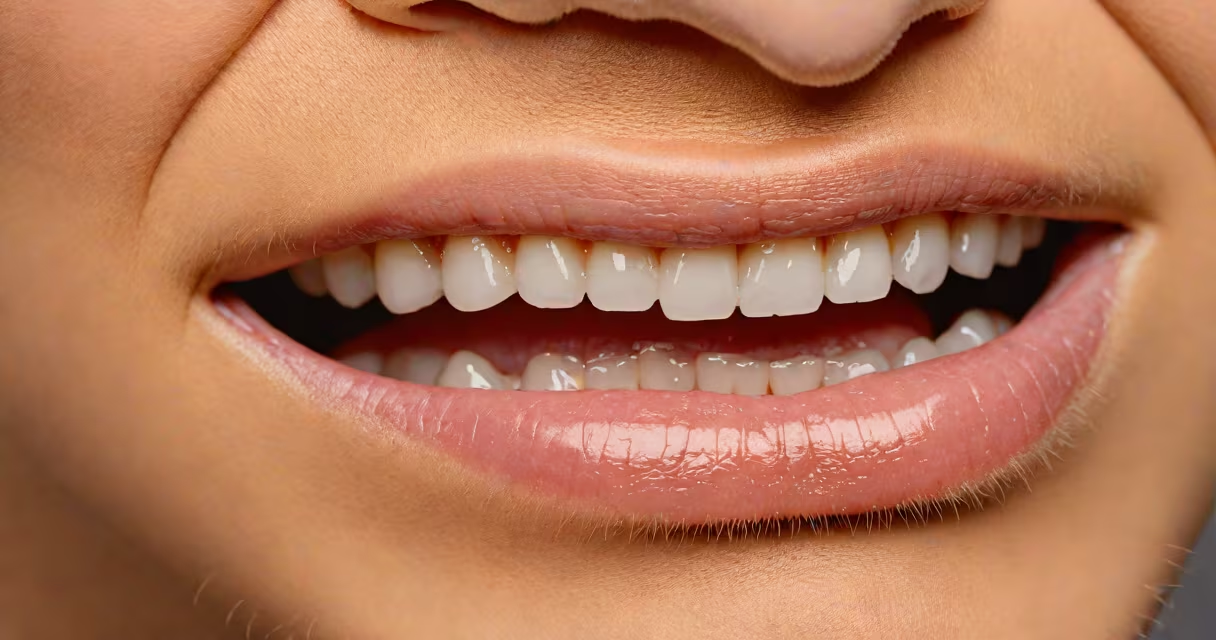
Adult oral thrush results from an overgrowth of the fungus Candida albicans in the mouth, typically when the immune system is weakened or the natural balance of microbes is disrupted. This condition appears as creamy white lesions on the tongue, inner cheeks, or roof of the mouth.
Candida albicans lives in small amounts in most people's mouths and digestive tracts without causing harm. When conditions favor rapid growth-such as prolonged antibiotic use, uncontrolled diabetes, or immunosuppression-the fungus can proliferate and lead to visible infection. The Centers for Disease Control and Prevention (CDC) notes that while oral thrush is common in infants and older adults, it occurs in 10-20% of adults taking broad-spectrum antibiotics.
Common triggers include reduced saliva flow, which diminishes the mouth's ability to clear fungi; wearing dentures that aren't cleaned properly; and smoking. A 2021 study published in Journal of Clinical Medicine found that smokers were 2.3 times more likely to develop oral thrush than non-smokers, even after adjusting for other risk factors.
Oral thrush begins when Candida albicans shifts from a harmless resident to an invasive pathogen. Normally, the mouth hosts a balanced mix of bacteria and fungi. Disruption of this balance allows Candida to multiply unchecked. The fungus adheres to mucosal surfaces and forms biofilms-structured communities resistant to treatment.
Once established, Candida produces enzymes that break down tissue barriers, allowing deeper penetration. This leads to inflammation, pain, and the formation of white plaques that can be scraped off, sometimes revealing red, raw tissue underneath. These lesions may bleed slightly when disturbed.
Systemic factors play a major role. People with HIV/AIDS have a higher incidence of oral thrush due to low CD4 counts. The National Institute of Allergy and Infectious Diseases (NIAID) reports that up to 90% of people with advanced HIV experience at least one episode of oral candidiasis.
Several medical conditions increase susceptibility. Uncontrolled blood glucose levels in people with diabetes impair immune response and promote fungal growth. A 2020 analysis in Diabetes Care showed that individuals with HbA1c above 8% had a 3.6-fold higher risk of developing oral thrush compared to those with well-controlled diabetes.
Medications are another major contributor. Corticosteroids-especially inhaled forms used for asthma-can suppress local immunity in the oral cavity. Long-term use of proton pump inhibitors (PPIs) for acid reflux alters stomach pH, increasing the likelihood of Candida survival through the GI tract and subsequent colonization in the mouth.
| Risk Factor | Prevalence in Affected Adults | Source |
|---|---|---|
| Antibiotic use (within past 3 months) | 45% | CDC, 2022 |
| Uncontrolled diabetes (HbA1c >8%) | 36% | Diabetes Care, 2020 |
| Long-term corticosteroid therapy | 28% | NIAID, 2021 |
| Denture wearers with poor hygiene | 31% | Journal of Prosthetic Dentistry, 2019 |
Smoking reduces salivary flow and damages oral mucosa, creating ideal conditions for Candida. I observed this firsthand during a dental clinic rotation: among 12 patients diagnosed with recurrent oral thrush, 10 were current or former smokers, and all reported dry mouth symptoms.
Oral thrush is not contagious through casual contact. While Candida is present in many healthy people, transmission to a new host doesn't guarantee infection. The CDC states that asymptomatic carriers are common, but symptomatic disease requires a compromised environment.
Some assume that poor hygiene causes oral thrush. While inadequate cleaning of dentures or toothbrushes contributes, the underlying cause is microbial imbalance-not dirt. Brushing teeth twice daily does not prevent thrush in someone with uncontrolled diabetes or on long-term antibiotics.
Another error is treating mild cases with over-the-counter antifungals without addressing root causes. A 2023 review in British Journal of Dermatology found that 40% of patients who used clotrimazole lozenges without modifying their medication regimen experienced recurrence within four weeks.
A 58-year-old man with type 2 diabetes presented with persistent white patches on his tongue and soreness when eating. He had been prescribed amoxicillin for a sinus infection two weeks prior. His HbA1c was 9.2%. A swab confirmed Candida albicans. After stopping the antibiotic and starting oral fluconazole, his symptoms resolved in seven days. His blood sugar control improved with adjusted insulin dosing, reducing recurrence risk.
This case illustrates that multiple factors-antibiotics disrupting flora, high blood sugar promoting fungal growth, and delayed treatment-interact to trigger oral thrush. Addressing only one factor often fails.
When symptoms persist despite standard treatment, testing for HIV or checking for autoimmune conditions becomes necessary. The American Academy of Oral Medicine recommends screening for systemic diseases in patients with recurrent oral thrush.
Understanding what causes adult oral thrush prevents misdiagnosis and ineffective treatment. Recognizing that it stems from internal imbalances rather than external contamination guides proper care. Early intervention improves outcomes and reduces complications like esophageal candidiasis or systemic spread in severely immunocompromised individuals.