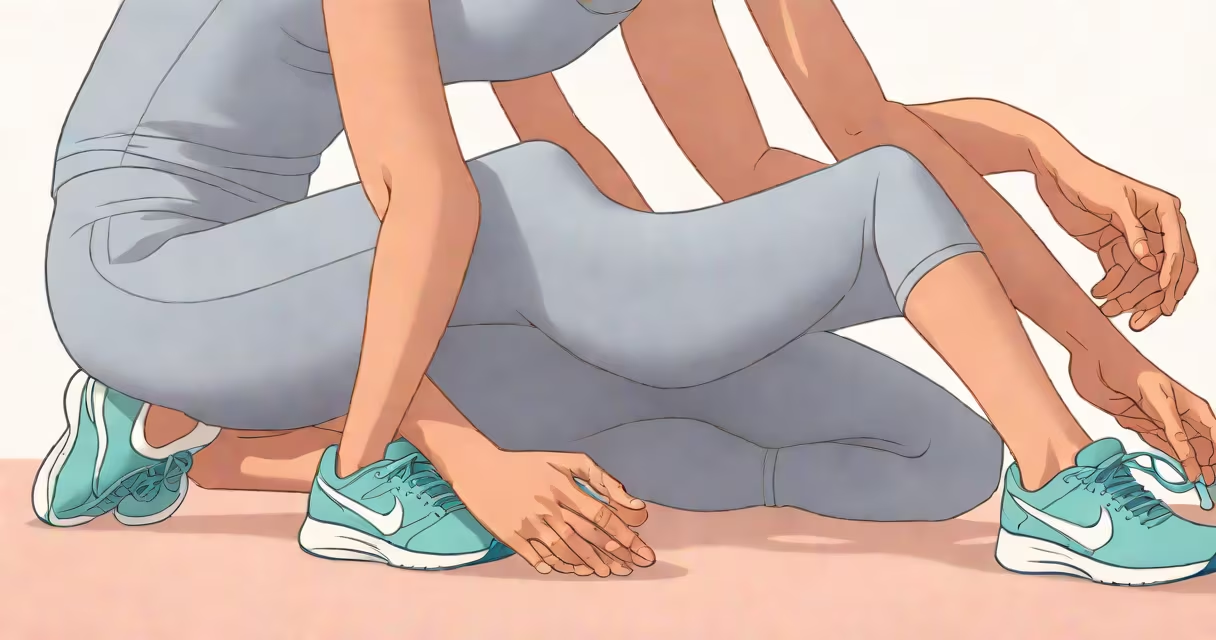
The hamstrings are a group of three muscles at the back of the thigh-biceps femoris, semitendinosus, and semimembranosus-that primarily flex the knee and extend the hip. They enable movements like walking, running, jumping, and sitting down. These muscles are essential for stabilizing the knee joint and maintaining posture during standing and locomotion.
Each hamstring originates from the ischial tuberosity, the bony part of the pelvis beneath the buttocks, and inserts into the tibia and fibula below the knee. This anatomical setup allows them to act as useful hip extensors and knee flexors. During gait, they contract to pull the leg backward during the swing phase and stabilize the knee during weight-bearing.
For example, when you walk forward, your hamstrings engage as your leg swings out and lifts off the ground. Without them, the leg would collapse at the knee. When you run, they generate force to push you forward. Even simple actions like standing up from a chair rely on hamstring strength to extend the hips.
During knee flexion, such as when pulling your heel toward your buttocks, the hamstrings contract. This motion occurs in everyday tasks like picking up objects from the floor or climbing stairs. The hamstrings also help decelerate the lower leg during activities like landing from a jump or slowing down while sprinting.
They work in tandem with the glutes and core muscles to form the posterior chain-the group of muscles responsible for hip extension. A strong posterior chain improves athletic performance and reduces risk of lower back pain. Weakness or imbalance between the quadriceps (front thigh muscles) and hamstrings increases injury risk, especially in sports involving sudden stops and changes in direction.
A study published in the British Journal of Sports Medicine found that athletes with a hamstring-to-quadriceps strength ratio below 0.60 were more likely to suffer hamstring strains. This highlights the importance of balanced strength development.
The hamstrings consist of three distinct muscles, each with slightly different roles:
| Muscle | Primary Function | Key Action |
|---|---|---|
| Biceps femoris | Knee flexion, lateral rotation of the leg | Controls outward rotation of the lower leg during movement |
| Semitendinosus | Knee flexion, medial rotation of the leg | Stabilizes the knee during twisting motions |
| Semimembranosus | Knee flexion, medial rotation and stabilization | Supports the inner side of the knee joint |
These muscles do not act independently. Their coordinated contraction ensures smooth, controlled motion. For instance, during a squat, all three hamstrings activate to stabilize the hip and knee joints and assist in rising from the bottom position.
Many people assume hamstrings only matter for running or lifting. But they play a critical role in daily stability. A weak or tight hamstring can lead to poor posture, increased strain on the lower back, and altered gait patterns.
One overlooked fact: hamstring injuries often occur not during maximal effort, but during eccentric loading-when the muscle lengthens under tension. This happens when slowing down during sprinting or descending stairs. The muscle fibers tear because they're unable to absorb the load efficiently.
I once observed a track athlete who trained hard but neglected stretching and strengthening. After a 400-meter race, he experienced a sharp pain in his left hamstring. MRI revealed a partial tear. His recovery took six weeks, including physical therapy focused on eccentric exercises like Nordic curls-where the athlete lowers themselves slowly from a kneeling position while resisting gravity with the hamstrings.
Research from the Journal of Strength and Conditioning Research shows that optimal performance and injury prevention depend on a balanced strength ratio between the hamstrings and quadriceps. A ratio of approximately 0.60 to 0.75 is ideal. Below 0.60, the risk of hamstring strain increases by 3.5 times.
Many gym routines emphasize quads through squats and lunges but neglect hamstring activation. Exercises like Romanian deadlifts, glute bridges, and lying leg curls specifically target the hamstrings. Ignoring them leads to muscular imbalances that compromise joint health.
For example, a person doing 100 squats daily may build strong quads but still have weak hamstrings. This imbalance causes the knee to hyperextend during movement, increasing wear on cartilage and ligaments.
Professional athletes train their hamstrings using sport-specific drills. Soccer players perform resisted sprints to improve explosive power. Sprinters use sled pulls to strengthen the eccentric phase of hamstring action.
Rehabilitation programs for runners with recurring hamstring strains often include changing warm-ups, foam rolling, and progressive resistance training. A 2021 review in Physical Therapy in Sport confirmed that eccentric training reduced recurrence rates by 42% compared to traditional concentric-only exercises.
Even sedentary individuals benefit from hamstring care. Sitting for long periods shortens the muscle, leading to stiffness and lower back discomfort. Simple stretches like the seated forward bend or supine leg raise can restore flexibility and reduce pain.
Hamstrings do not control ankle movement or foot flexion. That's the job of calf muscles and anterior tibialis. Confusing these roles leads to ineffective exercise programming. For example, doing toe raises won't strengthen the hamstrings.
Also, hamstrings aren't directly involved in breathing or digestion. While muscle tension can affect posture and indirectly influence rib cage positioning, the hamstrings don't contribute to respiratory mechanics.
Hamstrings are important for knee flexion, hip extension, and lower-body stability. They support walking, running, jumping, and balance. Neglecting them increases injury risk and impairs movement efficiency. Strengthening and stretching them regularly prevents pain and enhances performance.
Understanding what are hamstrings used for helps prevent common mistakes in fitness and rehabilitation. managing chronic back pain, targeting the posterior chain is essential. Regular attention to hamstring health reduces long-term disability and supports functional independence.