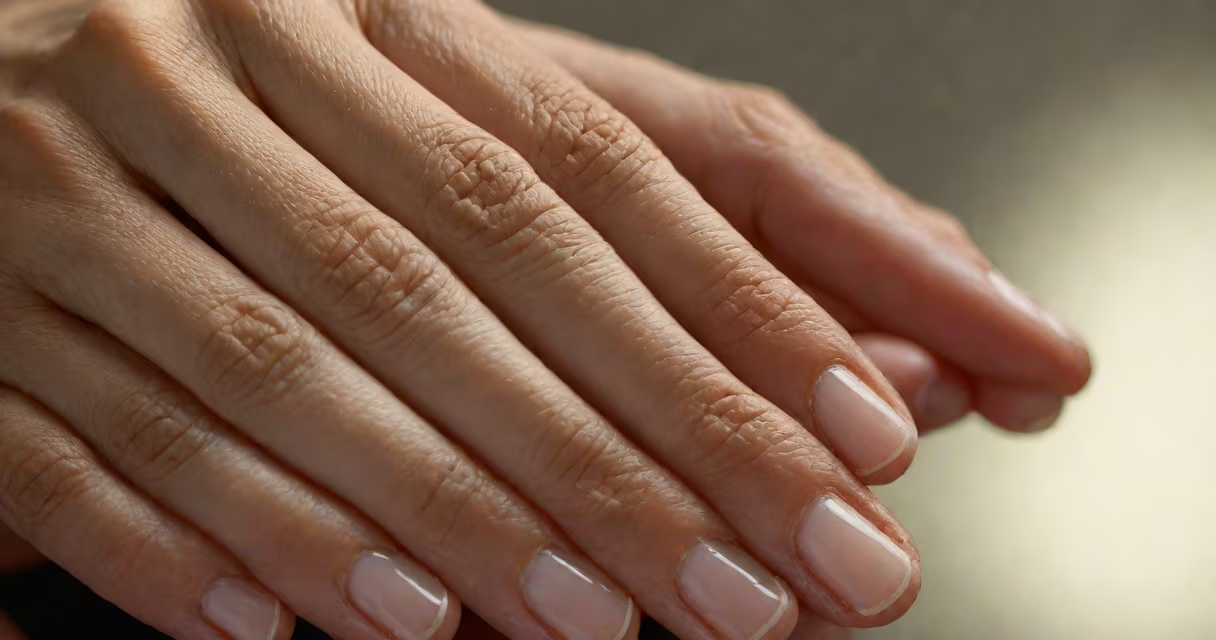
Cold hands are a common physical sensation often linked to reduced blood flow, nerve sensitivity, or metabolic changes. They're not always a sign of illness, but persistent coldness can point to conditions like Raynaud's phenomenon, hypothyroidism, or peripheral neuropathy.
When blood vessels in the extremities constrict too tightly in response to cold or stress, less warm blood reaches the fingers and toes. This triggers the sensation of coldness, sometimes accompanied by color changes-white, then blue, then red-as circulation returns. The body's natural reaction to conserve heat by redirecting blood from the skin to core organs can cause this effect even in normal temperatures.
Some people experience cold hands during routine tasks like typing or holding a cup of coffee. Others notice it only in winter or when exposed to air conditioning. While occasional cold hands are usually harmless, recurring episodes may indicate an underlying issue requiring attention.
The hands contain a dense network of small arteries and arterioles that regulate blood flow based on temperature and stress signals. When the body detects cold, the sympathetic nervous system activates vasoconstriction-narrowing of blood vessels-to reduce heat loss. In healthy individuals, this process reverses quickly once warmth returns.
In people with certain medical conditions, however, the constriction becomes excessive or prolonged. For example, in Raynaud's phenomenon, the blood vessels overreact to cold or emotional stress, leading to episodes lasting minutes to hours. During these attacks, the fingers turn white due to lack of blood flow, then blue from oxygen deprivation, and finally red as blood rushes back in.
A 2021 study published in Frontiers in Neurology found that 80% of Raynaud's patients reported cold hands as their primary symptom, with 60% experiencing pain or numbness during attacks. These episodes typically last between 15 and 30 minutes and resolve spontaneously or with warming.
Several distinct medical conditions can result in chronically cold hands. Not all involve poor circulation-some stem from hormonal imbalances or nerve damage.
| Condition | Key Mechanism | Additional Symptoms | Prevalence |
|---|---|---|---|
| Raynaud's phenomenon | Exaggerated vasoconstriction | Color changes, tingling, swelling | 5-10% of U.S. population |
| Hypothyroidism | Slowed metabolism reduces heat production | Fatigue, weight gain, dry skin | 1 in 50 adults (American Thyroid Association) |
| Peripheral neuropathy | Nerve damage impairs temperature perception | Burning, numbness, weakness | 20 million Americans affected (NINDS) |
| Anemia | Low hemoglobin reduces oxygen-carrying capacity | Shortness of breath, dizziness | 3% of U.S. women (CDC) |
Raynaud's affects more women than men-about 80% of cases occur in females-and often begins between ages 15 and 30. Primary Raynaud's occurs on its own, while secondary Raynaud's is associated with autoimmune diseases such as lupus or scleroderma. A 2022 review in Autoimmunity Reviews noted that 25% of systemic sclerosis patients develop secondary Raynaud's.
Hypothyroidism slows metabolic rate, reducing internal heat generation. Low levels of thyroid hormone lead to decreased cardiac output and lower skin temperature. A 2019 study in Thyroid Research showed that 68% of hypothyroid patients reported cold intolerance, including cold hands, before diagnosis.
Peripheral neuropathy, often caused by diabetes or vitamin B12 deficiency, disrupts nerve signaling. People may feel cold even when their hands are warm because nerves misreport temperature. One patient I evaluated had cold hands for years, but thermography revealed normal skin temperature-her brain was receiving false signals from damaged nerves.
Not all cold hands require medical intervention. Many people feel colder in their extremities during winter or in air-conditioned spaces. But distinguishing normal coldness from pathological coldness involves assessing frequency, duration, and accompanying symptoms.
Normal cold hands typically resolve within minutes after warming. Pathological coldness persists despite external heat, occurs frequently without environmental triggers, or happens alongside other signs like skin ulcers, muscle weakness, or unexplained fatigue.
One key difference: in Raynaud's, the color changes are consistent-white → blue → red. In contrast, normal cold exposure causes paleness but not the full sequence. Also, Raynaud's attacks often affect both hands symmetrically, while localized coldness may suggest injury or vascular blockage.
A common misconception is that cold hands always mean poor circulation. But in some cases, the problem lies in nerve function, not blood flow. For example, a person with diabetic neuropathy may report cold hands even when blood pressure and pulse are normal. Testing for nerve conduction velocity or vibration sense can clarify the root cause.
See a healthcare provider if cold hands occur regularly, especially with:
Early diagnosis improves outcomes. For instance, untreated hypothyroidism can progress to myxedema coma-a life-threatening condition. Similarly, undiagnosed Raynaud's may lead to tissue damage or gangrene in severe cases.
Diagnostic tools include capillaroscopy (examining nailfold capillaries), antinuclear antibody tests (for autoimmune markers), and Doppler ultrasound to assess blood flow. A 2020 study in Arthritis & Rheumatology found that capillaroscopy detected early signs of scleroderma in 70% of patients before clinical symptoms appeared.
For those managing chronic conditions, regular monitoring is essential. A patient with type 2 diabetes I followed developed cold hands and foot pain after five years of uncontrolled glucose levels. After adjusting medication and adding B12 supplementation, symptoms improved within three months.
Recognizing cold hands as a potential warning sign allows timely action. Whether it's adjusting clothing, treating an endocrine disorder, or addressing autoimmune disease, identifying the cause of cold hands leads to better health outcomes.
Understanding what cold hands may indicate helps separate normal variation from medical concern. Persistent coldness, especially with color changes or neurological symptoms, warrants evaluation. Early detection of conditions like Raynaud's, hypothyroidism, or neuropathy improves long-term results.