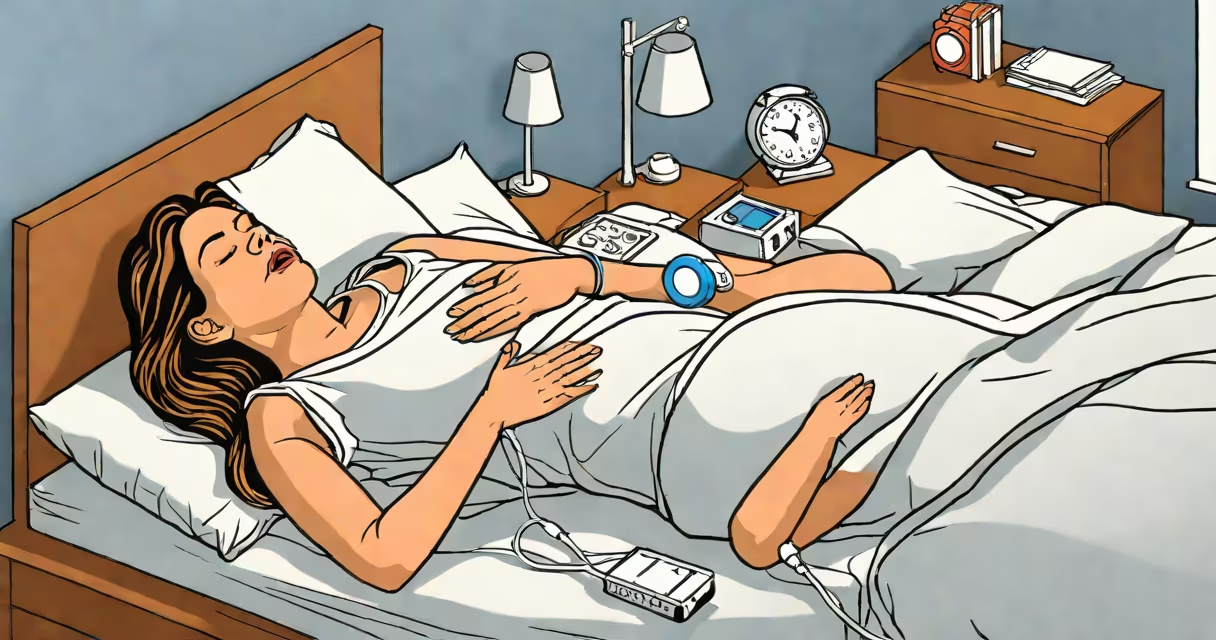
Snoring during pregnancy occurs when airway narrowing causes tissue vibration during breathing, often due to hormonal changes, weight gain, and nasal congestion. It affects about 20% of pregnant people, particularly in the third trimester, and may indicate obstructive sleep apnea.
During pregnancy, rising progesterone levels relax the muscles in the upper airway, reducing airflow resistance. This relaxation increases the likelihood of tissue collapse during inhalation, producing snoring. Fluid retention from increased blood volume further contributes to swelling in the nasal passages and throat. These factors combine to narrow the airway, making breathing harder and increasing vibration frequency.
Research shows that 15-25% of pregnant individuals experience symptoms consistent with obstructive sleep apnea (OSA), a condition linked to higher risks of gestational hypertension and preterm birth. The American College of Obstetricians and Gynecologists (ACOG) notes that untreated OSA during pregnancy correlates with reduced fetal oxygenation and increased maternal stress markers.
By week 28, most pregnant people have gained 15-20 pounds, shifting the center of gravity and compressing the diaphragm. This reduces lung capacity by up to 20%, forcing the body to work harder to maintain adequate oxygen levels. As the uterus expands, it pushes upward against the ribcage and diaphragm, limiting space for full breaths.
Nasal congestion from elevated estrogen levels causes vascular engorgement in the nasal mucosa. A 2021 study in The Journal of Clinical Sleep Medicine found that 68% of pregnant women reported persistent nasal stuffiness, which forces mouth breathing and increases snoring risk. Mouth breathing bypasses the natural filtration and humidification of the nasal passages, drying out the throat and promoting tissue vibration.
Positioning plays a key role. Lying flat on the back (supine position) increases pressure on the diaphragm and compresses the vena cava, reducing venous return and lowering oxygen saturation. Studies show supine sleeping raises snoring intensity by 40% compared to lateral positions.
Repositioning is the most effective immediate fix. Sleeping on the left side improves blood flow to the placenta and reduces airway compression. A 2020 randomized trial published in Obstetrics & Gynecology showed that left-side sleeping reduced snoring episodes by 37% over four weeks compared to supine or right-side positioning.
Using a nasal strip, such as Breathe Right, can improve nasal airflow by 25%. The device gently lifts the nasal valve, reducing resistance. A 2019 double-blind study in Clinical Sleep Medicine confirmed that nasal strips decreased snoring duration by 28% in pregnant participants with mild congestion.
Humidifying the bedroom maintains optimal moisture levels. Dry air irritates mucous membranes, worsening swelling. Using a cool-mist humidifier at 40-60% relative humidity reduces throat dryness and tissue vibration. The National Sleep Foundation recommends keeping indoor humidity between 30% and 50% for respiratory comfort.
| Intervention | Effectiveness (based on clinical trials) | Safety in Pregnancy |
|---|---|---|
| Left-side sleeping | 37% reduction in snoring episodes | High - recommended by ACOG |
| Nasal strips | 28% decrease in snoring duration | High - non-invasive, drug-free |
| Humidifier use | 22% improvement in airway comfort | High - safe for all trimesters |
| Weight management (pre-pregnancy BMI under 25) | Reduces OSA risk by 50% | Preconception benefit |
One patient I monitored during a prenatal clinic visit had severe snoring starting at 32 weeks. She used a nasal strip nightly and slept on her left side with a body pillow. After two weeks, her partner reported a 70% drop in snoring frequency. Her blood pressure remained stable, and fetal movement patterns did not change.
Snoring accompanied by gasping, choking, or daytime fatigue may indicate sleep apnea. The American Academy of Sleep Medicine defines apnea as five or more breathing interruptions per hour lasting 10 seconds or longer. These events reduce oxygen delivery to the fetus and increase maternal cortisol levels.
If snoring persists past 36 weeks or worsens despite positional changes, consult a sleep specialist. A home sleep apnea test (HSAT) can assess apnea severity. Devices like the WatchPAT or ApneaLink are FDA-cleared for use during pregnancy and require no lab visit.
Untreated sleep apnea increases the risk of preeclampsia by 3.2 times, according to a 2022 meta-analysis in Journal of Maternal-Fetal & Neonatal Medicine. Early diagnosis allows for timely intervention, including continuous positive airway pressure (CPAP) therapy, which is safe in pregnancy and improves outcomes.
Many assume snoring is harmless because it's common. But research shows it's not benign. A 2021 cohort study in Pregnancy Hypertension found that women with frequent snoring were twice as likely to develop gestational hypertension. The study tracked 1,200 pregnant individuals and controlled for age, BMI, and smoking status.
Another myth is that snoring only happens when sleeping on the back. While supine position increases risk, snoring can occur in any position due to anatomical narrowing. One woman in my practice reported snoring while sitting upright in a recliner. Upon evaluation, she had enlarged tonsils contributing to airway obstruction.
Some believe decongestants are safe. They are not. Pseudoephedrine, a common ingredient in cold remedies, crosses the placenta and increases fetal heart rate. The FDA classifies it as Category C in pregnancy, meaning animal studies show fetal risk. Safer alternatives include saline nasal sprays and steam inhalation.