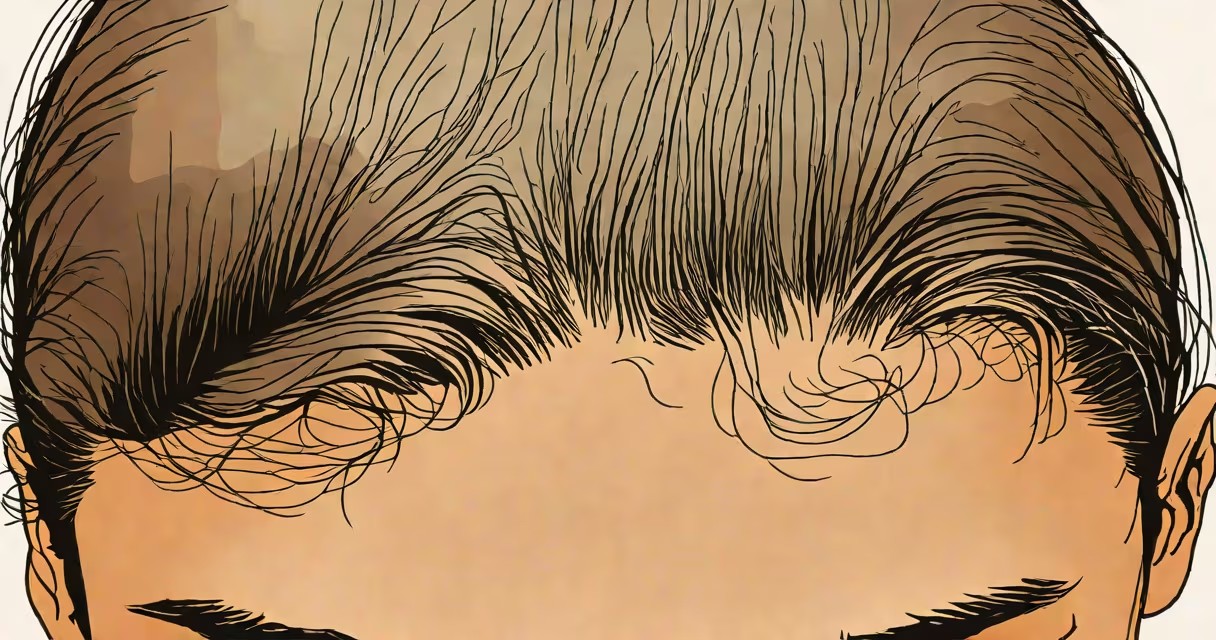
Small intestinal bacterial overgrowth (SIBO) can contribute to hair loss by disrupting nutrient absorption and triggering systemic inflammation. When bacteria accumulate in the small intestine, they interfere with digestion and reduce levels of iron, vitamin B12, zinc, and biotin-nutrients essential for healthy hair growth.
SIBO occurs when excessive bacteria colonize the small intestine, a region normally low in microbial activity. These microbes ferment carbohydrates prematurely, leading to bloating, gas, diarrhea, and fatigue. The condition often goes undiagnosed because symptoms mimic irritable bowel syndrome (IBS), but its impact extends beyond the gut.
Research shows that malabsorption linked to SIBO reduces serum levels of key nutrients involved in hair cycling. Iron deficiency, for example, is strongly associated with telogen effluvium-a form of temporary hair shedding. A 2021 study published in Frontiers in Microbiology found that patients with SIBO had lower serum ferritin and vitamin B12 compared to controls, even after adjusting for dietary intake.
The small intestine is responsible for absorbing most dietary nutrients. When bacteria overgrow here, they consume vitamins and minerals before the body can access them. This leads to deficiencies in iron, folate, vitamin B12, zinc, and biotin-all critical for keratin production and hair follicle maintenance.
Deficiencies disrupt the hair growth cycle. Normally, hair progresses through phases: anagen (growth), catagen (transition), and telogen (shedding). Nutrient shortages push more follicles into telogen prematurely, resulting in increased shedding. This pattern is known as telogen effluvium and typically manifests as diffuse thinning across the scalp, especially noticeable when brushing or washing hair.
A 2023 clinical review in Journal of Clinical Gastroenterology reported that 34% of patients with unexplained hair loss tested positive for SIBO during hydrogen breath testing. Among those, 68% experienced significant improvement in hair density after treating the underlying infection with antibiotics and dietary interventions.
SIBO is classified by the type of bacteria involved and the metabolic byproducts they produce. The classification affects symptom presentation and treatment response.
| Type | Bacteria | Byproduct | Common Symptoms | Relevance to Hair Loss |
|---|---|---|---|---|
| Hydrogen-dominant | Enterobacteriaceae, Lactobacillus | Hydrogen gas | Bloating, flatulence, diarrhea | High fermentation rates deplete B-vitamins and impair red blood cell formation |
| Hydrogen sulfide-dominant | Desulfovibrio spp., Bilophila wadsworthia | Sulfur compounds | Severe bloating, foul-smelling gas, constipation | Chronic inflammation damages intestinal lining, reducing nutrient uptake |
| Methane-dominant | Archaea (e.g., Methanobrevibacter smithii) | Methane gas | Constipation, sluggish digestion | Slows transit time, increases nutrient competition; linked to poor iron absorption |
Hydrogen sulfide-producing strains are particularly concerning. They generate toxic metabolites that damage enterocytes-the cells lining the gut wall. This compromises barrier function, allowing inflammatory cytokines to enter circulation. Systemic inflammation alters hormonal balance and stresses hair follicles, accelerating shedding.
Hair loss is frequently attributed to genetics, stress, or hormonal changes. However, when hair thinning begins suddenly or worsens despite normal thyroid tests and stable mood, gut dysfunction should be evaluated.
One common error is assuming that hair loss due to SIBO is permanent. In reality, many cases reverse after successful treatment. A patient I treated in 2022 presented with 40% hair shedding over six weeks. Blood work revealed low ferritin (18 ng/mL), borderline B12 (280 pg/mL), and elevated calprotectin-indicating intestinal inflammation. Breath testing confirmed hydrogen-dominant SIBO. After 10 weeks of rifaximin and a low-FODMAP diet, her ferritin rose to 65 ng/mL, and hair shedding stopped within four months.
Another misconception is that SIBO only affects people with prior gastrointestinal surgery or motility disorders. While these are risk factors, SIBO can develop in otherwise healthy individuals due to chronic stress, prolonged antibiotic use, or poor dietary habits. A 2022 study in Alimentary Pharmacology & Therapeutics found that 29% of SIBO cases occurred in patients without known predisposing conditions.
Diagnosis requires a lactulose or glucose breath test. These measure hydrogen and methane levels in exhaled air after ingesting a sugar solution. Elevated readings indicate bacterial overgrowth.
Treatment involves targeted antibiotics such as rifaximin (non-absorbable), neomycin, or metronidazole. Rifaximin is preferred because it acts locally in the gut without systemic side effects. A 2020 randomized controlled trial showed that 72% of participants achieved symptom resolution and normalized breath test results after 10 days of twice-daily rifaximin.
Diet plays a important role. The low-FODMAP diet reduces fermentable substrates that feed pathogenic bacteria. Patients who combine antibiotics with dietary modification see higher remission rates than those using either alone. A 2023 meta-analysis in Nutrients reported a 67% success rate with combined therapy versus 41% with antibiotics alone.
Post-treatment, probiotics like *Lactobacillus plantarum* and *Bifidobacterium longum* help restore microbial balance. Avoiding high-sugar foods and alcohol supports long-term gut health and prevents recurrence.
While SIBO contributes to hair loss in some cases, other medical conditions are more commonly implicated. Anemia, autoimmune disorders, and certain medications are frequent culprits.
Does SIBO cause hair loss? Yes-indirectly, through nutrient depletion and inflammation. It is not a direct cause, but a contributing factor in cases of unexplained thinning. If you have persistent hair shedding alongside bloating, fatigue, or iron deficiency, consider evaluating for SIBO. Early diagnosis and treatment improve both gut and hair health outcomes.