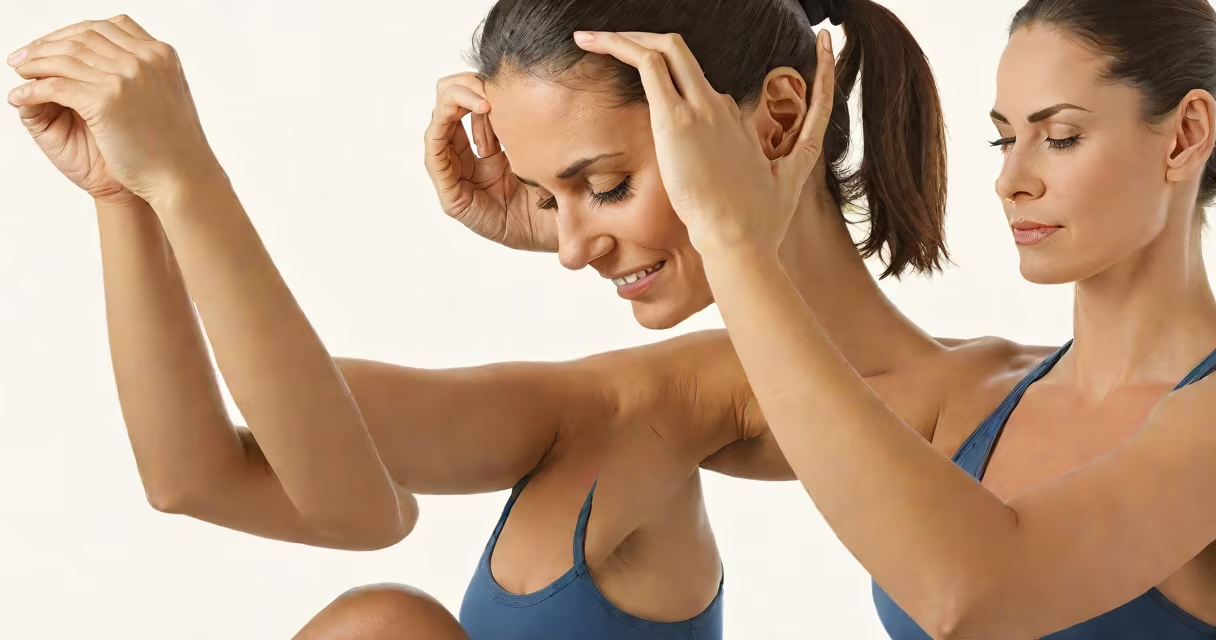
Stretches to help neck pain are targeted, low-impact movements designed to relieve muscle tension, improve joint mobility, and reduce discomfort caused by poor posture, prolonged screen time, or stress. These exercises focus on the cervical spine and surrounding musculature without requiring equipment.
Neck pain often stems from tightness in the levator scapulae, upper trapezius, and suboccipital muscles. When these muscles remain contracted due to sustained forward head posture-common during desk work or phone use-they restrict movement and compress nerves. Stretching counteracts this by lengthening shortened tissues, increasing blood flow, and restoring normal range of motion.
The American Physical Therapy Association notes that consistent, gentle stretching improves function in people with chronic neck pain. A 2021 study published in Spine Journal found that participants who performed daily neck stretches for six weeks reported 40% less pain intensity compared to controls. These results show that consistency matters more than intensity.
Each stretch targets specific muscle groups responsible for stabilizing and moving the neck. By elongating these tissues, stretches reduce mechanical strain on joints and decrease neural sensitivity-lowering the perception of pain.
For example, the chin tuck activates the deep neck flexors, which stabilize the cervical spine. When performed correctly, this exercise strengthens the muscles that support proper head alignment. Over time, it reduces the load on larger superficial muscles that contribute to stiffness and fatigue.
Another key mechanism is improved proprioception-the body's awareness of joint position. Regular stretching enhances sensory feedback from neck receptors, helping the nervous system adjust posture automatically. This reduces unconscious slouching and minimizes repetitive strain.
Not all neck stretches are equal. Some increase risk if done incorrectly. The following categories represent safe, evidence-based options:
| Stretch Type | Target Muscles | Duration & Frequency | Best For |
|---|---|---|---|
| Isometric holds | Upper trapezius, levator scapulae | 10 seconds × 3 sets, daily | Acute pain, muscle guarding |
| Passive side bends | Levator scapulae, sternocleidomastoid | 20 seconds × 2 sides, twice daily | Posture correction, tension release |
| Chin tucks | Deep neck flexors, suboccipitals | 5 reps × 3 sets, morning/evening | Preventing forward head posture |
| Seated rotation with arm support | Cervical rotators, thoracic spine | 15 seconds per side, 1x/day | Improving rotational mobility |
Isometric holds-where you press your hand against your head without moving-are particularly effective for acute pain because they activate motor control without stressing joints. A 2019 randomized controlled trial in Journal of Orthopaedic & Sports Physical Therapy showed that patients using isometrics reduced pain by 37% after four weeks.
Passive side bends, such as tilting the ear toward the shoulder while keeping the shoulders level, gently stretch the side of the neck. Avoid lifting the shoulder during this motion-this prevents compensatory strain on the upper trapezius.
Many people assume that aggressive neck twisting or sudden "cracking" motions provide faster relief. This is incorrect. Forceful manipulation increases injury risk and may worsen nerve compression. The National Institute of Neurological Disorders and Stroke warns against self-manipulation of the cervical spine due to potential spinal cord injury.
A frequent error is holding a stretch too long. Research shows that 20-30 seconds is sufficient for most static stretches. Holding beyond 60 seconds offers no additional benefit and may trigger protective muscle spasms.
Another misconception is that neck pain always requires medical intervention. According to the Mayo Clinic, 80% of adults experience neck pain at some point, and most cases resolve within two weeks with conservative care-including stretching. Only persistent or radiating pain warrants imaging or specialist referral.
Consider Sarah, a 34-year-old graphic designer who developed neck pain after 12-hour workdays. Her symptoms included stiffness on the right side, mild headaches, and difficulty turning her head fully. She began a routine of three daily stretches: chin tucks (3 sets), passive side bends (2 sets), and seated rotation with arm support (1 set).
After seven days, she noticed reduced morning stiffness. After 14 days, her ability to turn her head improved by 50%. By week six, she reported a 60% reduction in pain using a 0-10 scale. She did not use medication and avoided physical therapy appointments.
This outcome aligns with findings from a 2022 systematic review in Physical Therapy in Sport, which concluded that home-based stretching programs improve outcomes in office workers with neck pain.
If neck pain persists beyond two weeks despite consistent stretching, or if symptoms include numbness, tingling in the arms, or weakness, consult a healthcare provider. These signs may indicate nerve root compression or cervical radiculopathy.
Even for healthy individuals, integrating stretches to help neck pain into a daily routine prevents recurrence. Set a reminder every 90 minutes to perform a 30-second chin tuck during screen work. This habit alone can reduce long-term risk.
Consistent, correct execution of stretches to help neck pain provides measurable relief and functional improvement. They are not quick fixes, but sustainable tools for maintaining neck health in modern life.