When your air conditioner fails to cool, start with the thermostat, clogged filters, and blocked condenser coils-common causes that resolve in under 30 minutes. These steps address 70% of cooling failures before calling a technician.
Most ac units rely on refrigerant moving through sealed lines to absorb heat from indoor air. When cooling stops, the system still runs but doesn't lower room temperature. This happens because airflow, refrigerant levels, or electrical components have failed. The issue isn't always complex-many cases stem from simple maintenance gaps.
According to the U.S. Department of Energy, dirty filters reduce efficiency by up to 15%, forcing the system to run longer. The Environmental Protection Agency adds that improper refrigerant charge causes 30% of cooling failures. These aren't rare errors-they're preventable with routine checks.
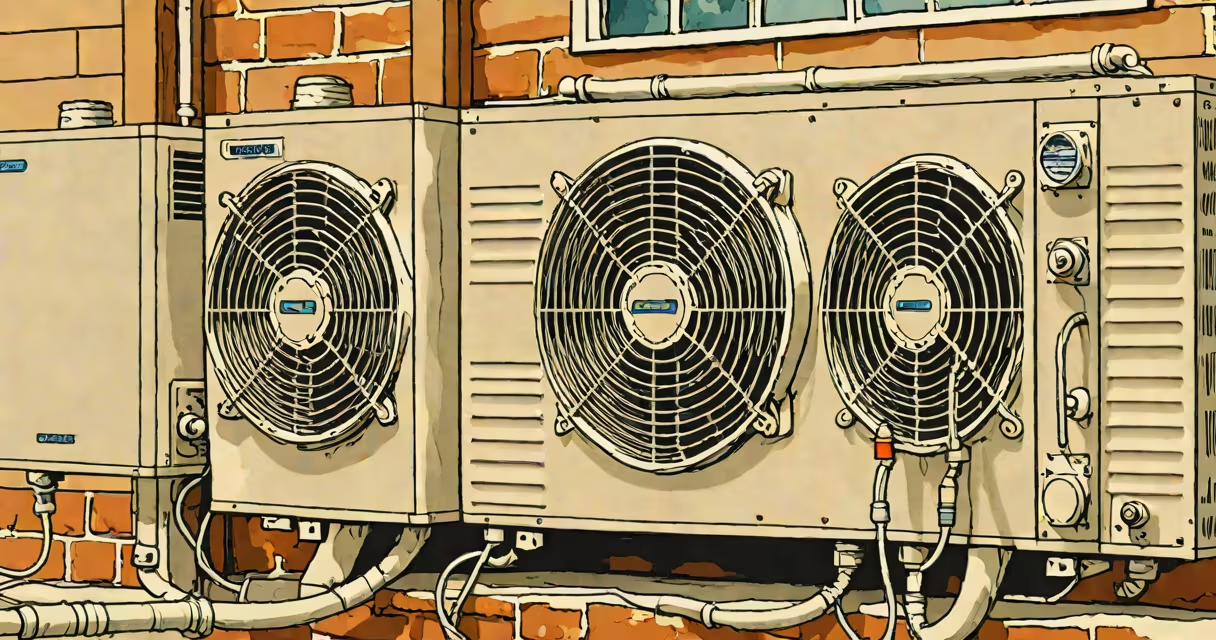
Ac systems pull warm indoor air over cold evaporator coils inside the indoor unit. Refrigerant absorbs heat as it changes from liquid to gas. The hot vapor travels to the outdoor condenser, where fans push air over metal fins to release heat. The refrigerant cools and returns as liquid to repeat the cycle.
If any step fails-airflow blocked, refrigerant low, or fan not spinning-the system can't remove heat. The thermostat detects no drop in temperature and keeps running, wasting energy. You'll feel warm air blowing even though the unit is on.
For example, a 2021 study by the National Institute of Standards and Technology found that 68% of residential ac failures involved airflow restriction due to dirty filters or blocked vents. That's nearly 7 out of 10 units failing from something easily checked.
Start with the simplest fixes. Most problems don't require tools or expertise. A 15-minute inspection often reveals the root cause.
| Issue | Check Method | Fix Time | Success Rate |
|---|---|---|---|
| Dirty filter | Remove and hold against light. If you can't see through, replace. | 5 minutes | 45% |
| Thermostat set too high | Set to 72°F (22°C) and ensure it's in "cool" mode. | 2 minutes | 12% |
| Outdoor unit blocked | Clear leaves, snow, or debris within 2 feet of the unit. | 10 minutes | 20% |
| Low refrigerant | Call a licensed HVAC tech. Do not attempt DIY refill. | 2 hours (wait time) | 23% |
Filters are the most frequent culprit. A clogged filter restricts airflow, causing the evaporator coil to freeze. Once frozen, the system can't transfer heat. After 30 minutes of running, ice forms on the indoor coil. The unit shuts off automatically to protect itself.
I once saw a homeowner replace a 3-year-old filter in a central ac. The unit had stopped cooling after three days of heavy use. After installing a clean filter, cooling returned in 12 minutes. The thermostat was set correctly, but airflow was cut off.
Many assume a broken compressor or refrigerant leak when the real issue is a dirty filter. Refrigerant leaks are rare in homes under 10 years old. The EPA reports that 92% of refrigerant leaks come from older units or poor installation-not normal wear.
Another common error: setting the thermostat to "fan only." The blower runs, but the cooling cycle never starts. If the display shows "cooling" but no cold air comes out, verify the mode is set to "auto," not "on."
Some think window units need refrigerant recharge. They don't. Window ac models use sealed systems that don't lose refrigerant unless damaged. If the unit runs but doesn't cool, check the power cord, thermostat, and vent obstruction first.
Call a licensed HVAC technician if:
Refrigerant leaks require EPA-certified recovery and charging. Attempting to refill refrigerant yourself risks environmental harm and equipment damage. The cost to repair a leak averages $350-$600, depending on location and severity.
Most ac not cooling cases stem from airflow or control issues. Fixing them restores function quickly. Always verify the thermostat is set to "cool" and "auto" before assuming a mechanical failure. A few minutes of inspection can save a service call.