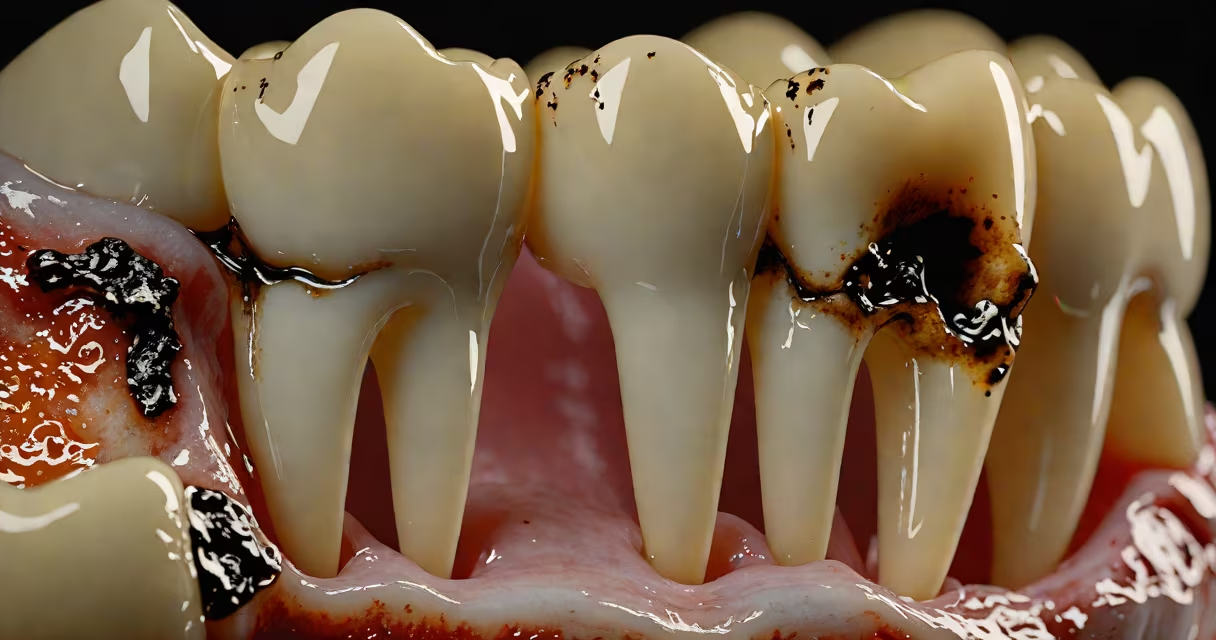
A toothache caused by a rotten tooth results from bacterial decay that has penetrated the enamel and dentin, often leading to nerve exposure, intense pain, and risk of abscess formation. The condition arises when plaque builds up on teeth, feeding bacteria that produce acid, which erodes tooth structure over time.
Rotten teeth develop through a process called dental caries. Bacteria in the mouth metabolize sugars from food, producing lactic acid that dissolves calcium in the enamel. Once the enamel is breached, decay spreads into the softer dentin layer, accelerating damage. If left untreated, the decay reaches the pulp-the innermost part containing nerves and blood vessels-triggering inflammation and severe pain. According to the American Dental Association, nearly 90% of adults aged 20-64 have had at least one cavity, making tooth decay one of the most common chronic conditions worldwide.
Not all toothaches stem from rot. Pain from a cracked tooth, gum disease, or sinus pressure can mimic rotten tooth symptoms. However, a rotten tooth typically causes throbbing, persistent pain that worsens with hot, cold, or sweet stimuli. The affected tooth may appear discolored-yellow, brown, or black-and sometimes has a visible hole or pit. A key differentiator is that pain from a rotten tooth often persists even without stimulation, unlike referred pain from sinus issues.
Tooth decay progresses in stages. Initially, demineralization weakens the enamel, appearing as white spots. This early stage may reverse with fluoride treatments. As decay advances, cavities form-visible holes in the tooth surface. Once the decay reaches the dentin, sensitivity increases dramatically. Dentin is porous and transmits sensations quickly to the pulp.
When the pulp becomes infected, the result is pulpitis-a painful inflammation. Acute pulpitis causes spontaneous, sharp pain that may last minutes to hours. Chronic pulpitis may present with dull, constant ache. If untreated, the infection can spread beyond the root tip, forming a dental abscess. An abscess appears as a swollen, tender bump on the gum near the tooth and may discharge pus. The Centers for Disease Control and Prevention reports that untreated dental infections can lead to systemic complications, including sepsis and endocarditis.
One non-obvious fact: a rotten tooth doesn't always hurt. Some advanced decay cases cause numbness due to nerve death. The absence of pain does not mean the problem is resolved-it indicates the nerve is dead, increasing the risk of silent infection spreading to surrounding bone and tissue.
Decay patterns vary by tooth type and oral hygiene habits. Molars, especially those in the back of the mouth, are most vulnerable due to deep grooves and difficulty cleaning. Front teeth are less prone but can develop decay between them due to plaque accumulation in tight spaces.
| Type | Location | Common Cause | Typical Symptoms |
|---|---|---|---|
| Smooth surface decay | Front or side surfaces | Plaque buildup from poor brushing | Small white spot → visible pit → sensitivity |
| Pits and fissures decay | Molars and premolars | Trapped food in deep grooves | Throbbing pain, especially after eating |
| Root decay | Lower front teeth, older adults | Gum recession exposing roots | Sensitivity to cold, mild ache |
Root decay is particularly insidious because the exposed root surface lacks enamel protection. It's more sensitive and harder to treat. Studies show that individuals over 65 are twice as likely to develop root decay compared to younger adults, primarily due to gum recession and reduced saliva flow.
Early-stage decay may be reversed with fluoride varnish or remineralizing agents. Once a cavity forms, a dentist removes the decayed material and fills the tooth with composite resin, amalgam, or glass ionomer cement. For extensive damage, a crown may be required to restore strength and function.
If the pulp is infected, root canal therapy is necessary. The procedure involves removing the infected pulp, cleaning and shaping the root canals, then sealing them. Afterward, a crown protects the weakened tooth. Failure to treat an infected pulp leads to abscess formation, which may require surgical drainage or antibiotics.
I once observed a patient in a rural clinic who delayed treatment for six months due to fear and cost concerns. By the time they sought care, the tooth was severely compromised. The dentist extracted it, and the patient later reported that the pain had been constant for weeks-worse at night and unrelieved by over-the-counter medication. This case illustrates that ignoring a toothache rarely ends well.
Preventing tooth decay requires consistent oral hygiene. Brushing twice daily with fluoride toothpaste, flossing daily, and reducing sugar intake lower bacterial load. Regular dental checkups every six months allow early detection of cavities before symptoms arise.
For temporary relief, rinsing with warm salt water reduces swelling and kills bacteria. Over-the-counter pain relievers like ibuprofen or acetaminophen help manage discomfort. Avoiding extreme temperatures and sugary foods can reduce irritation. However, these measures do not treat the underlying decay.
When pain persists beyond 48 hours, or if swelling, fever, or pus develops, seek immediate dental care. Delaying treatment risks spreading infection. The American Dental Association advises that a toothache lasting more than three days should be evaluated by a professional, regardless of severity.