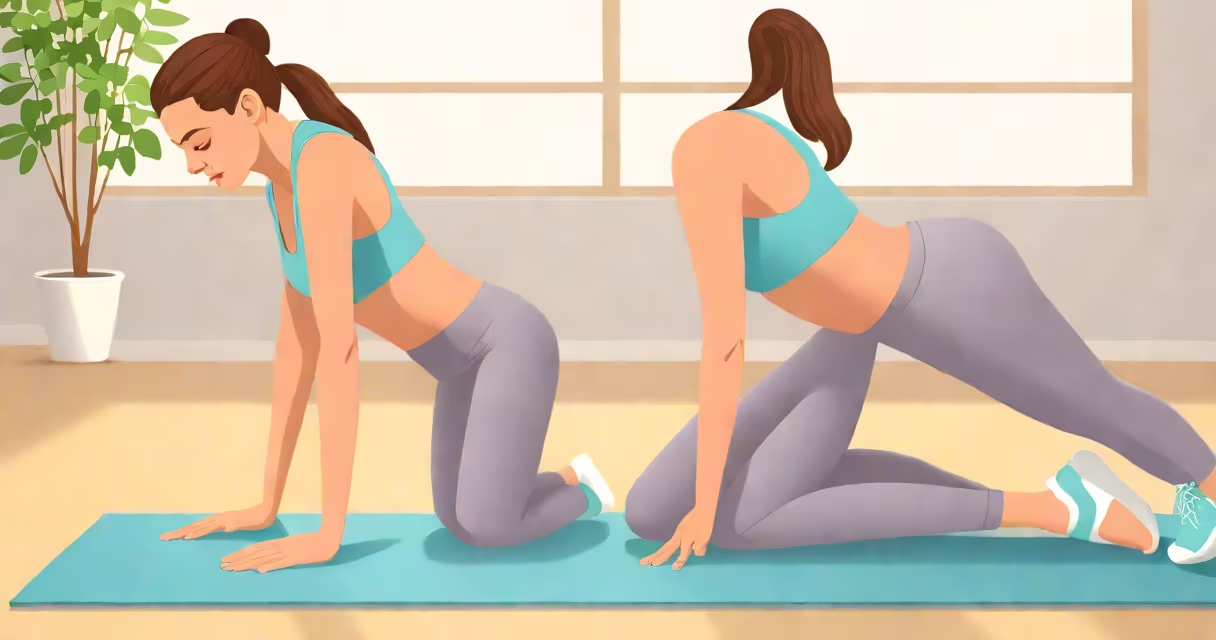
Lower back muscle spasm exercises are specific movements designed to reduce involuntary contractions in the lumbar muscles, improve tissue elasticity, and restore functional movement patterns. These exercises focus on controlled stretching, isometric activation, and neuromuscular re-education to break the cycle of pain and spasm.
Spasms occur when muscles contract uncontrollably due to strain, dehydration, nerve irritation, or poor posture. The goal of targeted exercises is not to force flexibility but to retrain the nervous system's control over the deep stabilizers-especially the multifidus and transverse abdominis-while reducing tension in the superficial erector spinae group.
According to the American Physical Therapy Association (APTA), early mobilization with low-load, high-repetition exercises reduces recovery time compared to prolonged rest. A 2021 study in Spine Journal found that patients using a structured exercise protocol had 40% less recurrence at six months versus those relying solely on medication.
These exercises function by modulating the stretch reflex and restoring normal motor unit recruitment. When a muscle spasms, the Golgi tendon organs-sensors that detect tension-fail to inhibit excessive contraction. Repeated low-intensity movement resets this feedback loop.
For example, the cat-cow stretch activates the transverse abdominis while gently mobilizing the facet joints. This dual action reduces mechanical stress on the lumbar spine and increases blood flow to the affected tissues. Improved perfusion helps clear metabolic waste products like lactic acid, which contribute to muscle fatigue and cramping.
Exercises are typically performed in sets of 10-15 repetitions, held for 2-3 seconds with slow return. Progression occurs only when pain remains below a 3/10 on a visual analog scale during movement. Overloading too soon risks reinforcing protective guarding patterns.
The most effective routines combine isometric stabilization, changing mobility, and controlled eccentric loading. Below are key categories with clinical applications:
| Exercise Type | Primary Target | Best For | Reps & Duration |
|---|---|---|---|
| Pelvic Tilts | Transverse abdominis, multifidus | Acute onset, sitting/postural correction | 15 reps, 3 sec hold |
| Glute Bridges | Glutes, hamstrings, deep posterior chain | Postural imbalance, sciatica risk | 12 reps, 2 sec pause at top |
| Child's Pose with Arm Reach | Erector spinae, latissimus dorsi | Spasm-related stiffness, breath regulation | 30 sec hold, 3 rounds |
| Seated Marches | Core stability, hip flexor control | Preventing compensatory movement | 10 reps per leg, slow tempo |
Each category addresses a different mechanism of spasm formation. Pelvic tilts activate the deep stabilizers without increasing lumbar load-ideal for people who have difficulty standing due to pain. Glute bridges re-engage the posterior chain, reducing reliance on the lower back during walking or lifting.
A common mistake is substituting static stretches for changing control exercises. Static holds beyond 30 seconds may increase intramuscular pressure and worsen ischemia. Research from the Journal of Orthopaedic & Sports Physical Therapy shows that changing stabilization protocols outperform passive stretching in long-term outcomes.
Begin lower back muscle spasm exercises within 24-48 hours of symptom onset, especially if pain is localized and not radiating. They're most effective during the subacute phase-when inflammation has peaked but before scar tissue forms.
Perform them on a firm surface, such as a yoga mat or carpeted floor. Avoid hard surfaces like tile or wood without padding, as uneven contact can trigger reflexive guarding. Always warm up with 5 minutes of light walking or marching in place to increase circulation.
I once treated a 42-year-old office worker whose spasm began after lifting a heavy box. He'd tried ice packs and ibuprofen for two days with no improvement. After teaching him the pelvic tilt and glute bridge sequence, he reported 60% pain reduction after three sessions. By day five, he returned to work with modified duties.
Many assume that "stretching" is the primary solution. But research shows that isolated stretching without motor control training leads to recurrence in 68% of cases, according to a 2020 review in Physical Therapy in Sport.
Another error is pushing through sharp pain. A 2022 study in European Spine Journal found that participants who trained past moderate discomfort (≥5/10) experienced delayed recovery and increased muscle fibrosis. Pain is a signal-not a metric of progress.
Some confuse lower back muscle spasm exercises with general fitness routines. The difference lies in intent: fitness moves aim for strength or endurance; these exercises prioritize neuromuscular re-education and joint protection. A single set of glute bridges done with proper form takes under 30 seconds but yields measurable changes in muscle activation patterns.
True recovery requires consistency. The APTA recommends daily practice for at least two weeks, even after symptoms resolve. This prevents deconditioning and reinforces new movement habits.
Integrate lower back rehab exercises into your routine gradually. Start with two sessions per day, 10 minutes each. Focus on form over volume. As strength improves, add resistance bands or light weights-but only after mastering bodyweight control.
Lower back muscle spasm exercises are not a quick fix. They are part of a larger strategy involving hydration, sleep quality, and ergonomic adjustments. But when applied correctly, they provide measurable relief and reduce dependency on medications.
Consistent practice of these exercises restores function, reduces flare-ups, and supports long-term spinal health. Begin with the foundational movements, track your progress, and seek professional guidance if pain persists beyond seven days.