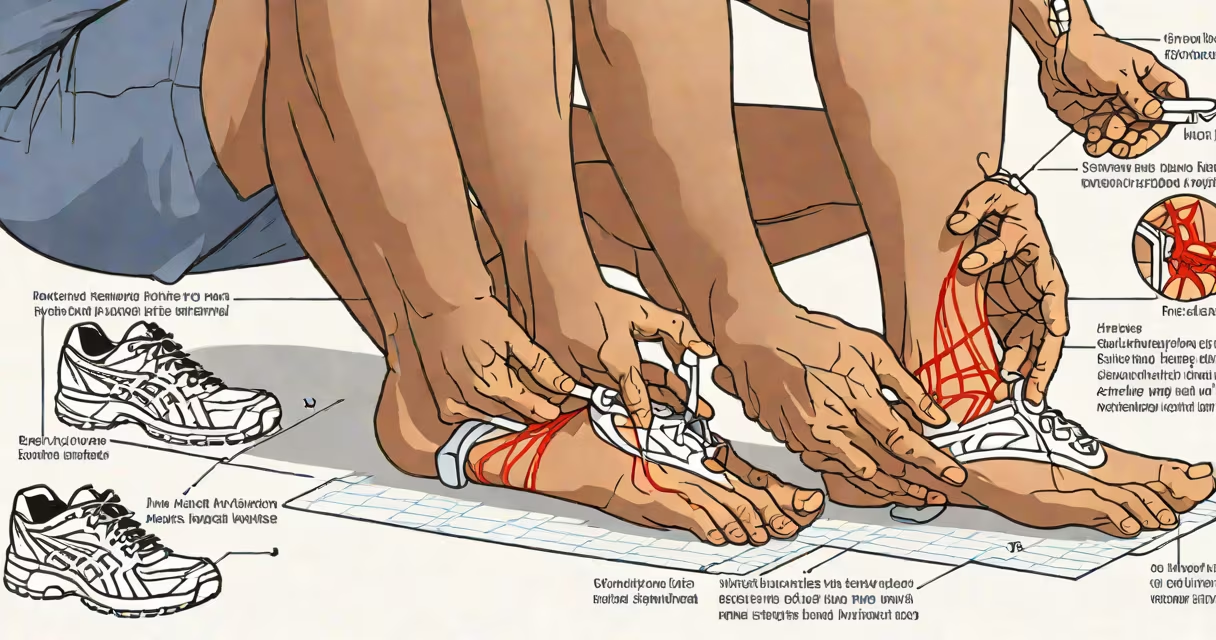
A calf muscle spasm is a sudden, involuntary contraction of the gastrocnemius or soleus muscles in the lower leg, often causing sharp pain and temporary immobility. It typically lasts seconds to minutes and resolves with targeted stretching and hydration. Immediate relief begins with controlled movement and precise muscle relaxation techniques.
Calf spasms result from nerve misfiring, dehydration, electrolyte imbalance, or overuse. The nervous system sends erratic signals to the muscle fibers, causing them to contract without voluntary control. This disrupts normal function and triggers pain. Most episodes resolve within 15 seconds to two minutes with proper intervention.
According to the American Academy of Neurology, isolated muscle cramps affect 60% of adults at least once a year, with the calf being the most common site. The condition is usually benign but can indicate underlying issues like peripheral artery disease or nerve compression if recurrent.
When a muscle contracts involuntarily, motor neurons fire continuously, overriding the brain's normal feedback loop. This creates sustained tension in the muscle fibers. The resulting ischemia-reduced blood flow-intensifies pain and prolongs the spasm. Stretching interrupts this cycle by resetting neural signaling and increasing oxygen delivery.
Electrolytes such as potassium, calcium, and magnesium regulate nerve-to-muscle communication. Low levels impair signal transmission, increasing susceptibility to cramping. A 2020 study in Neurology found that individuals with frequent nocturnal leg cramps had lower serum magnesium levels compared to controls.
Dehydration reduces plasma volume, concentrating ions and altering neuromuscular thresholds. Even mild dehydration (1-2% body weight loss) increases cramp risk during physical activity. Athletes who sweat heavily are especially vulnerable without adequate fluid and salt replacement.
Spasms fall into three categories based on cause:
| Type | Common Cause | Typical Duration | Relief Method |
|---|---|---|---|
| Exercise-associated | Overuse, fatigue, poor conditioning | 1-3 minutes | Stretching, massage, hydration |
| Nocturnal | Resting position, low potassium/magnesium | 2-5 minutes | Standing and walking, toe curling |
| Chronic | Nerve compression, medication side effects | Can last longer, recur frequently | Medical evaluation, physical therapy |
Exercise-related spasms occur during or shortly after activity. They're linked to muscle fatigue and altered neuromuscular control. Nocturnal cramps happen during sleep, often when the foot is pointed downward-a position that shortens the calf muscle and increases tension.
Chronic cases may stem from conditions like diabetes, multiple sclerosis, or spinal stenosis. Certain medications, including statins and diuretics, also increase risk. If spasms occur more than twice weekly despite lifestyle changes, consult a healthcare provider.
Apply the following sequence when a calf spasm strikes:
I've personally used this method during long-distance running events. On a 10K race, I experienced a severe calf spasm halfway through. I stopped, sat, pulled my toes upward, and held the stretch for 20 seconds. The pain subsided within 45 seconds. I resumed running at a slower pace and completed the race without recurrence.
Many assume cramps are caused solely by lack of potassium. While low potassium contributes, research shows calcium and magnesium play larger roles in neuromuscular stability. A 2017 review in Journal of Sports Medicine concluded that potassium supplementation had minimal effect on cramp frequency in athletes.
Another myth is that massaging a cramp worsens it. In reality, gentle pressure reduces muscle tension and improves blood flow. Aggressive rubbing can irritate tissue, but light to moderate massage supports recovery.
Some people believe they should "push through" a cramp. This increases injury risk. The muscle is already under stress. Forcing movement may lead to micro-tears or delayed onset muscle soreness (DOMS).
Preventive strategies focus on hydration, nutrition, and conditioning. Consume 2-3 liters of fluid daily, adjusting for climate and activity level. Include potassium-rich foods like bananas, sweet potatoes, and spinach. Magnesium-rich options include almonds, spinach, and black beans.
Perform changing warm-ups before exercise and static stretches afterward. Focus on the calves, hamstrings, and quadriceps. A 2021 study in British Journal of Sports Medicine showed that participants who did daily calf stretches reduced cramp incidence by 40% over six weeks.
If spasms persist despite these measures, consider medical evaluation. Conditions like restless legs syndrome or vitamin B12 deficiency can mimic cramping. Underlying vascular issues may require imaging or Doppler ultrasound.
Understanding how to stop muscle spasm in calf involves recognizing triggers, applying immediate relief techniques, and maintaining long-term habits. Most episodes resolve quickly with correct stretching and hydration. When they recur, seek professional guidance to rule out treatable conditions.