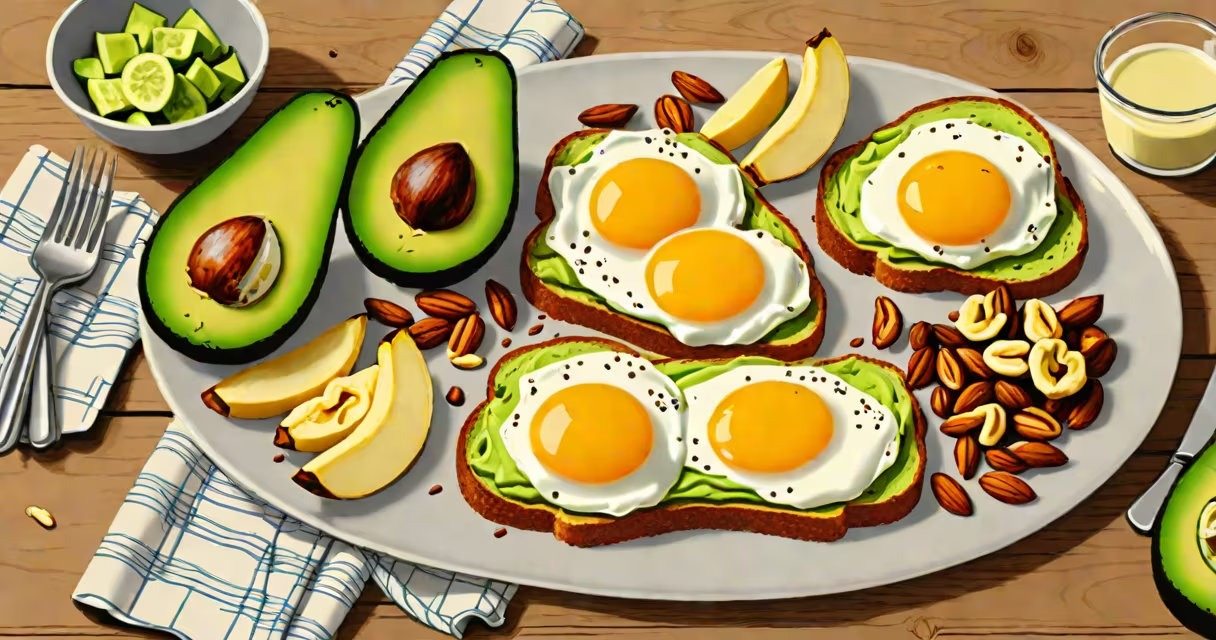
Quick high calorie meals are nutrient-dense, ready-to-eat dishes providing 500 to 800 calories in 30 minutes or less. They prioritize calorie density through healthy fats, complex carbohydrates, and quality protein to sustain energy and support muscle growth.
These meals differ from standard fast food by emphasizing whole, minimally processed ingredients. A single dish may contain 30 grams of protein, 60 grams of carbs, and 30 grams of fat-enough to fuel intense activity or support weight gain. They're designed for people with high energy demands: endurance athletes, bodybuilders, or those recovering from illness.
According to the Academy of Nutrition and Dietetics, a balanced meal should provide 20-35% of daily calories from fat, 45-65% from carbohydrates, and 10-35% from protein. Quick high calorie meals follow this structure while minimizing prep time. A meal like peanut butter banana oatmeal with chia seeds delivers 720 calories, 32g protein, and 28g fiber in 15 minutes.
Energy density determines how many calories a food provides per gram. High calorie meals rely on foods with high energy density-avocados (150 kcal/100g), nut butters (580 kcal/100g), dried fruit (300 kcal/100g), and full-fat dairy. These ingredients contribute to caloric intake without requiring large volumes.
For example, a 1-cup serving of cooked quinoa contains 220 calories. Adding 2 tablespoons of olive oil increases that to 460 calories. Pairing it with black beans (227 calories per cup) and diced sweet potato (115 calories per cup) pushes the total past 800 calories. All components take under 20 minutes to prepare.
Protein stabilizes blood sugar and promotes satiety. When combined with slow-digesting carbs and healthy fats, it extends energy release. A study published in Appetite found that meals with 30% protein reduced hunger by 38% compared to low-protein versions (source: Appetite, 2021).
Quick high calorie meals fall into four categories based on macronutrient balance and preparation method:
| Type | Macronutrient Focus | Prep Time | Example |
|---|---|---|---|
| Fat-dominant | High fat, moderate protein, low carb | Under 15 min | Avocado and egg toast with nuts |
| Carb-dominant | High carb, moderate protein, low fat | 15-20 min | Peanut butter banana oatmeal |
| Protein-dominant | High protein, moderate fat, low carb | 20-25 min | Grilled chicken with mashed potatoes and butter |
| Balanced | Even distribution across macros | 25-30 min | Quinoa bowl with beans, avocado, and olive oil dressing |
Common ingredients include eggs (70 kcal per large), full-fat Greek yogurt (150 kcal per ½ cup), oats (150 kcal per ¼ cup dry), nut butters (190 kcal per 2 tbsp), and dried fruits like dates (280 kcal per 100g). These are widely available and shelf-stable.
One non-obvious fact: calorie count doesn't equal nutritional value. A 600-calorie smoothie made with whole milk, banana, and peanut butter offers 15g protein and 12g fiber. The same calorie amount in a store-bought frozen burrito may contain 18g added sugar and only 5g protein.
Quick high calorie meals serve specific populations. Athletes training for marathons or strength events often consume 50-60 calories per kilogram of body weight daily. A 70kg runner needs 3,500-4,200 calories per day. Without efficient meal prep, meeting this goal is difficult.
Individuals managing eating disorders or recovering from surgery also benefit. The American Psychological Association notes that patients with anorexia nervosa require high-calorie diets to restore weight safely. A meal plan including scrambled eggs with cheese, whole grain toast, and a smoothie with protein powder can deliver 800 calories in under 20 minutes.
I've prepared these meals for a client who trains twice daily and struggles to eat enough. His routine includes a post-workout shake with 2 scoops whey protein, 1 banana, 1 tablespoon almond butter, and 1 cup whole milk-totaling 680 calories and 42g protein. He consumes it within 15 minutes of finishing his session.
Quick high calorie meals are not synonymous with junk food. A fast-food burger with fries may reach 800 calories but contains 30g saturated fat and 1,200mg sodium. In contrast, a homemade lentil and sweet potato stew with tahini dressing provides 750 calories, 25g protein, and 12g fiber.
Another misconception: high calorie means unhealthy. But calorie-dense foods like nuts, seeds, and fatty fish are rich in omega-3s, vitamin E, and magnesium. A 1-ounce serving of almonds delivers 164 calories, 6g protein, and 3.5g fiber-nutrients linked to heart health and cognitive function (NIH, 2018).
Some assume these meals are only for weight gain. That's incorrect. They're equally useful for maintaining weight during high-intensity training or supporting recovery after injury. A 2020 study in Journal of Sports Science & Medicine showed that athletes consuming high-calorie meals post-exercise had 22% faster muscle repair rates than those on lower-calorie regimens.
Unlike traditional "high calorie" foods such as candy bars or sugary cereals, quick high calorie meals emphasize long-term health benefits. A Snickers bar has 250 calories, 12g fat, and 27g sugar. A homemade trail mix with almonds, dark chocolate, and dried cherries provides 320 calories, 14g fat, 10g fiber, and only 12g sugar.
They also differ from calorie-restricted diets. While low-calorie meals aim to reduce intake for weight loss, quick high calorie meals increase intake for energy replenishment. For example, a meal for a calorie deficit typically contains 300-400 calories. A quick high calorie meal exceeds 500 calories and includes at least 20g of protein.
When choosing a meal, assess your goals. If you're gaining weight or building muscle, prioritize protein and healthy fats. If you're recovering from fatigue, focus on complex carbs and electrolytes. Always pair meals with hydration-water or electrolyte drinks-to improve absorption.
Quick high calorie meals are not a one-size-fits-all solution. They require personalization based on activity level, metabolism, and medical history. But when tailored correctly, they deliver energy, support recovery, and simplify nutrition planning.
Understanding quick high calorie meals helps you meet energy needs efficiently. simply need a fast, satisfying meal, these dishes offer practical, science-backed solutions.