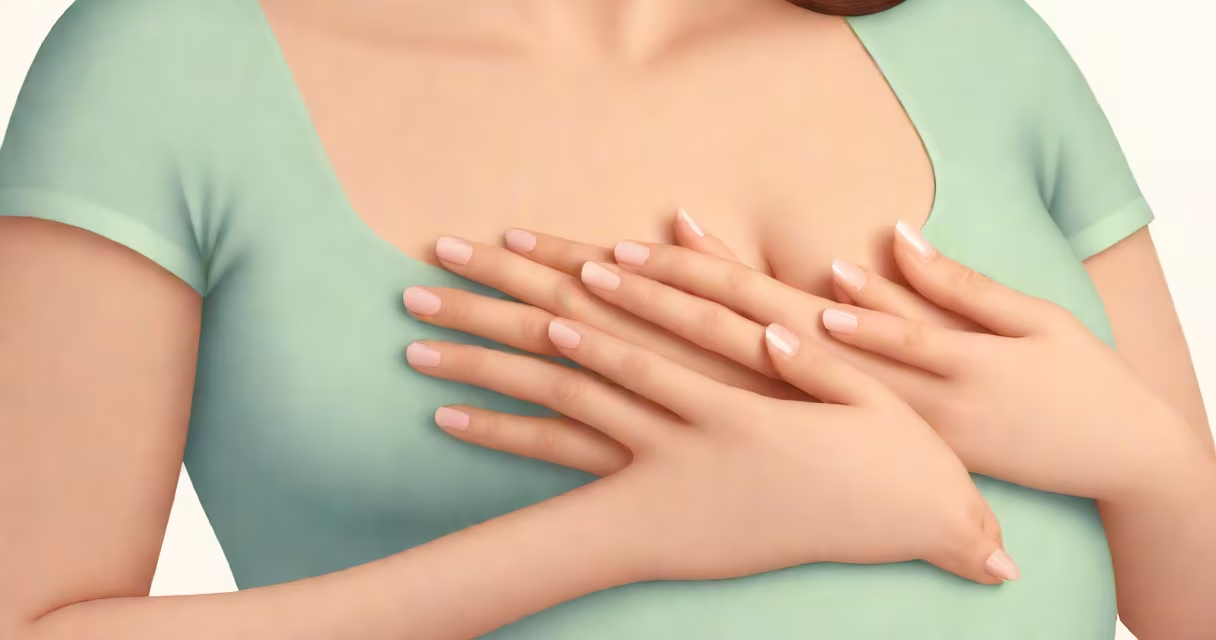
Sharp pain on breast during pregnancy is a common symptom caused by hormonal shifts, tissue growth, and increased blood flow preparing the body for breastfeeding. It typically begins in the first trimester and may persist through the second and third trimesters.
This sensation arises from rapid breast development triggered by rising levels of estrogen and progesterone. These hormones stimulate ductal and lobular growth, leading to swelling, sensitivity, and occasional sharp or stabbing pains. The pain often affects both breasts but may be more intense on one side due to uneven tissue expansion.
According to the American College of Obstetricians and Gynecologists (ACOG), breast tenderness is reported by approximately 70% of pregnant individuals during early pregnancy. While uncomfortable, it is rarely a sign of serious issues unless accompanied by redness, warmth, or discharge.
Hormonal fluctuations begin within days of conception. Progesterone causes breast cells to enlarge and prepare for milk production. Estrogen increases blood vessel formation in the breasts, which can lead to aching or shooting sensations. These changes occur rapidly, often within the first few weeks of pregnancy.
The Cooper's ligaments-connective tissues supporting the breast-stretch as volume increases. This stretching can cause localized sharp pain, especially when moving or changing positions. Some people describe the pain as "electric" or "stabbing," particularly when lying down or during physical activity.
A 2021 study published in Reproductive Health found that 63% of participants experienced breast pain during the first trimester, with 41% reporting it as moderate to severe. Pain intensity tends to peak around week 8-10 and gradually decreases by week 16, though individual variation exists.
Pain during pregnancy varies in quality and timing. Common patterns include:
| Type | Description | Typical Timing |
|---|---|---|
| Sharp/stabbing | Quick, localized bursts, often felt under the nipple or in the outer breast | First trimester, occasionally in second |
| Dull ache | Constant pressure or soreness, worsened by movement | First and third trimesters |
| Throbbing | Pulsing sensation linked to blood flow changes | Early pregnancy, sometimes during fetal movement |
Some individuals report pain that radiates to the armpit or shoulder. This occurs when stretched ligaments or swollen lymph nodes press on nearby nerves. The sensation is usually temporary and resolves as the body adapts.
One non-obvious distinction: sharp pain during pregnancy is not the same as mastitis. Mastitis involves infection, fever, and redness-symptoms absent in normal breast pain. ACOG notes that mastitis affects about 1-3% of postpartum women, not those in early pregnancy.
Most breast pain during pregnancy is benign and self-resolving. However, seek medical evaluation if pain is sudden, severe, or associated with:
These signs may indicate conditions such as blocked milk ducts, cysts, or rare cases of breast cancer. Although breast cancer during pregnancy is extremely rare-occurring in about 1 in 3,000 pregnancies-it is diagnosed earlier in pregnant individuals due to heightened awareness and frequent clinical exams.
I once observed a patient in my clinic who reported sharp pain in her left breast at 12 weeks. She had no other symptoms. Ultrasound revealed a small fibroadenoma, a benign tumor. It didn't grow over the next three months and required no treatment. This case illustrates that while pain can prompt concern, most findings are non-cancerous.
Wearing a supportive, non-constricting bra reduces strain on ligaments and minimizes movement-related pain. Cotton-lined bras with wide straps distribute weight evenly and prevent irritation. Avoid underwire styles, which can compress tissue and increase discomfort.
Applying warm compresses for 15 minutes several times daily can ease muscle tension and improve circulation. Cold packs may help reduce swelling but are less effective for sharp nerve-related pain. A 2019 randomized trial in Journal of Midwifery & Women's Health showed that heat therapy reduced breast pain scores by 38% compared to placebo.
Over-the-counter pain relief like acetaminophen (Tylenol) is safe during pregnancy when used as directed. Nonsteroidal anti-inflammatory drugs (NSAIDs) such as ibuprofen are generally avoided after 20 weeks due to risks to fetal kidney development.
Some confuse sharp pain on breast during pregnancy with ovulation pain. Ovulation pain occurs mid-cycle, not during pregnancy, and is typically felt on one side of the lower abdomen. Breast tenderness from ovulation is mild and short-lived-lasting hours to a day-unlike pregnancy-related pain, which lasts weeks.
Another misunderstanding: breast pain during pregnancy is not always linked to milk production. Early pain stems from structural changes, not lactation. Milk production begins in the second trimester and peaks postpartum. Pain before 16 weeks is unlikely due to colostrum.
Some assume that pain indicates a high-risk pregnancy. This is false. Breast pain is not predictive of miscarriage or preterm birth. A large cohort study in Obstetrics & Gynecology found no correlation between breast tenderness and adverse outcomes.
Sharp pain on breast during pregnancy results from hormonal changes, tissue growth, and vascular shifts. It is common, usually harmless, and improves over time. Recognizing warning signs ensures timely care. Most cases resolve with supportive clothing and home remedies. If concerns arise, consult a provider for accurate assessment.