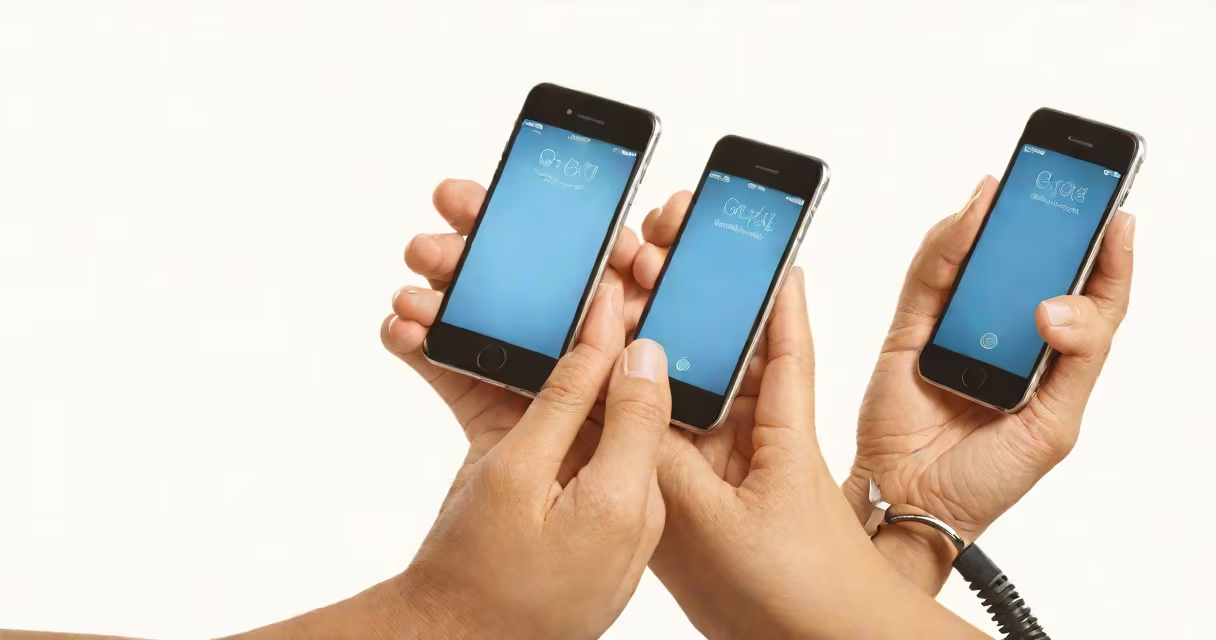
The phrase "in touch" means regularly communicating with someone or sharing an emotional connection. It implies ongoing contact, whether through conversation, messages, or shared understanding. A direct synonym is "connected."
When someone says they're "in touch" with a friend, they mean they talk often or check in regularly. The term applies to both physical proximity and emotional closeness. It's not about frequency alone-it reflects consistency and mutual awareness.
For example, a parent who calls their college-aged child every Sunday is in touch. So is a partner who shares daily updates via text. Both maintain a steady thread of communication, even if not face-to-face.
Being in touch doesn't require constant interaction. It means you can reach someone when needed and feel confident they'll respond. This reliability builds trust and reduces anxiety in relationships.
People stay in touch through calls, texts, emails, or in-person meetings. The medium varies by generation and preference. A 2023 Pew Research Center study found that 68% of adults aged 18-29 use messaging apps daily to stay in touch with family, compared to 41% of those aged 65 and older.
Emotional in touch goes beyond logistics. It includes knowing someone's mood, values, or life changes without being told directly. For instance, a manager who notices an employee's stress during a team meeting and checks in afterward is emotionally in touch.
Several words can replace "in touch," but each carries subtle meaning. Choosing the right synonym depends on context-professional coordination.
| Synonym | Best use case | Key difference |
|---|---|---|
| Connected | General communication or emotional bond | Lacks implied frequency; may describe a single meaningful exchange |
| On speaking terms | Reestablished or strained relationships | Implies past conflict; not necessarily regular contact |
| Regularly communicating | Clear, measurable interaction | More formal; avoids emotional nuance |
| Attuned | Emotional sensitivity or intuition | Focuses on perception, not action; often used in therapy contexts |
"Connected" is the closest direct synonym. But "on speaking terms" suggests a fragile or recently repaired relationship. "Attuned" emphasizes empathy and awareness rather than actual contact.
For example, two coworkers who haven't spoken since last year but still exchange holiday cards are on speaking terms-but not necessarily in touch. They're not sharing updates or checking in. True in touch requires continuity.
Business settings often substitute "in touch" with "aligned" or "in sync." These terms focus on shared goals, not personal contact. A project manager might say, "Our teams are aligned on deliverables," meaning they agree on timelines and responsibilities.
In mental health discussions, "emotionally in touch" appears frequently. Therapists use it to describe clients who recognize their feelings and express them. According to the American Psychological Association, emotional attunement improves relationship stability and reduces conflict.
A common mistake is using "in touch" to describe passive awareness. Saying "I'm in touch with my emotions" is vague. Better phrasing: "I'm aware of my emotions" or "I monitor my emotional state daily."
Many confuse "in touch" with "in contact." While similar, "in contact" means you have a way to reach someone-not necessarily that you do. You can be in contact with a colleague via email but not in touch if you don't reply or acknowledge messages.
Another mix-up is equating "in touch" with "familiar." Being familiar with someone's habits doesn't mean you're in touch. A neighbor might know your dog's name and schedule but never speak to you. That's familiarity, not connection.
Non-obvious distinction: "in touch" implies reciprocity. If only one person reaches out, the relationship isn't balanced. A 2022 study in the Journal of Social and Personal Relationships found that mutual responsiveness-both parties initiating contact-correlates strongly with long-term relationship satisfaction.
Consider two friends, Maria and David, living in different countries. Maria sends David a birthday message every year. David replies with a photo of his new dog. They don't text daily, but they exchange letters twice a year and call once every six months.
This pattern qualifies as being in touch. Their communication is infrequent but consistent and meaningful. Neither feels abandoned. They know the other remembers them.
If David stopped replying, the balance would break. Even if Maria kept sending messages, the relationship would no longer be in touch-just one-sided effort.
I once maintained a friendship with a classmate from high school through annual holiday cards. We didn't talk for years. When we met again at a reunion, we realized we'd stayed in touch emotionally-despite no contact. We recognized each other's voices and shared memories instantly. That's the power of sustained emotional connection.
Understanding the correct in touch synonym depends on context. Use "connected" for general alignment, "attuned" for emotional awareness, and "regularly communicating" for measurable interaction. Avoid replacing "in touch" with "familiar" or "in contact" unless the meaning aligns precisely.