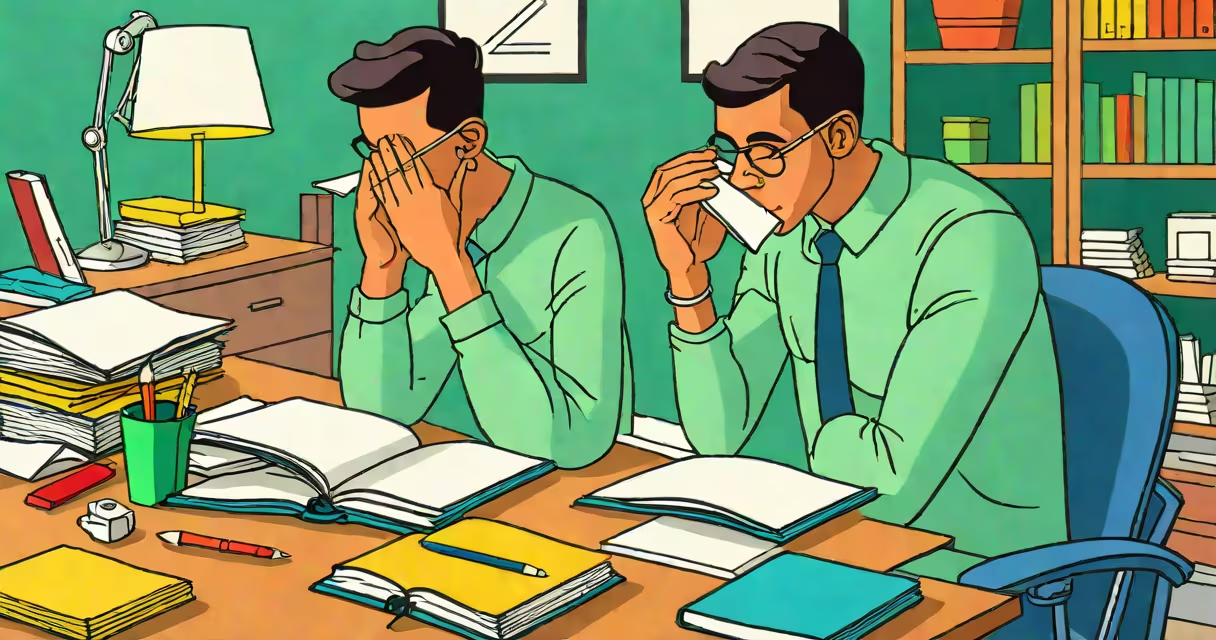
Self censorship is the act of withholding speech, thoughts, or creative expression due to internalized fears of judgment, rejection, or consequences-without external coercion. It occurs when individuals suppress ideas they believe are too controversial, embarrassing, or risky to share.
This process begins inside the mind. A person thinks something, then decides not to say it because they anticipate negative reactions. The decision is made before words are spoken or written. Unlike state-imposed censorship, self censorship requires no law, no authority, no direct threat-just internalized pressure.
According to the American Psychological Association, self censorship often stems from anxiety about social evaluation, especially in high-stakes environments like workplaces, schools, or public speaking settings. It's not always harmful-but when it becomes habitual, it limits authenticity, stifles innovation, and can erode mental well-being.
It operates through a mental filter. When someone considers expressing an opinion, emotion, or idea, their brain runs a risk assessment: "Will this upset people? Will I lose respect? Be ridiculed? Get punished?" If the perceived risk outweighs the benefit of sharing, the thought is silenced.
This filtering happens rapidly and often unconsciously. A study published in *Nature Human Behaviour* found that people suppress 60% of potentially controversial statements before even speaking them, especially in group settings where conformity is valued. The brain weighs social safety against truth-telling-often choosing safety.
For example, a woman in a male-dominated engineering team may avoid questioning a flawed design during a meeting. She knows her concern is valid, but she's aware that challenging a senior colleague could label her as "difficult" or "overly emotional." Her silence isn't ignorance-it's strategic self-protection.
Self censorship isn't monolithic. It varies by context, personality, and environment. The following table outlines common forms and their drivers:
| Type | Trigger | Example |
|---|---|---|
| Social conformity | Fear of exclusion | Not voicing disagreement in a friend group to avoid conflict |
| Professional caution | Job security concerns | Withholding criticism of a manager's poor decision |
| Moral hesitation | Internalized guilt | Not sharing personal trauma due to shame |
| Political sensitivity | Fear of backlash | Not posting a detailed take on climate policy online |
These types aren't mutually exclusive. A single individual may self-censor for multiple reasons simultaneously. For instance, a teacher might avoid discussing gender identity in class- due to personal discomfort and fear of being labeled "radical."
A lesser-known but critical factor is chronic stress. Research from Stanford University shows that prolonged stress reduces activity in the prefrontal cortex-the brain region responsible for rational decision-making and impulse control. Under such conditions, people default to automatic avoidance behaviors, including self censorship, even when the risk is low.
Many assume self censorship is purely voluntary or a sign of weakness. But it's not simply "choosing not to speak." It's a survival mechanism shaped by learning, trauma, and social conditioning. The brain doesn't distinguish between real threats and imagined ones-so a fear of embarrassment can trigger the same neural pathways as actual danger.
Another myth is that self censorship only affects introverts or quiet people. In reality, extroverts and confident speakers often engage in it too-especially in environments where dissent is punished indirectly. A 2021 survey by the Pew Research Center found that 48% of Americans have avoided discussing politics with family members due to fear of argument, regardless of personality type.
Here's a key correction: self censorship is not the same as self-awareness. While both involve internal reflection, self-awareness involves recognizing your own thoughts and emotions objectively. Self censorship is about suppressing them. Confusing the two leads to misdiagnosis-people think they're being mindful when they're actually silencing themselves.
I once observed this in a university seminar. A student raised a thoughtful critique of a widely accepted theory. Afterward, another student said, "I had the same thought, but I didn't say it-I was afraid of looking dumb." That moment revealed how self censorship thrives in academic spaces, even among intelligent, articulate people.
When self censorship spreads across groups, it distorts truth. In workplaces, it leads to groupthink. In classrooms, it discourages critical thinking. In political discourse, it kills nuance. A 2023 report from the Knight Foundation found that 62% of journalists surveyed reported avoiding stories they believed were important due to fear of backlash or loss of funding.
Consider the case of Dr. Jane Patel, a public health researcher who studied vaccine hesitancy in rural communities. Her initial findings suggested that misinformation spread faster in areas with low trust in institutions. She delayed publishing the paper for six months because her institution warned her that the results could be misused by anti-vaccine groups. Her research wasn't wrong-it was suppressed by internal fear.
Self censorship also impacts mental health. The National Institute of Mental Health notes that persistent suppression of emotions correlates with increased rates of depression and anxiety. When people don't express inner turmoil, it doesn't vanish-it accumulates.
Understanding self censorship definition helps us recognize when we're holding back not out of wisdom, but out of fear. It's not about never filtering your words-it's about knowing whether the filter is serving you or controlling you.
Recognizing self censorship is the first step toward reclaiming authentic expression. You can start by asking: "Am I saying this because I want to, or because I'm afraid not to?" The answer reveals whether your voice is truly your own.