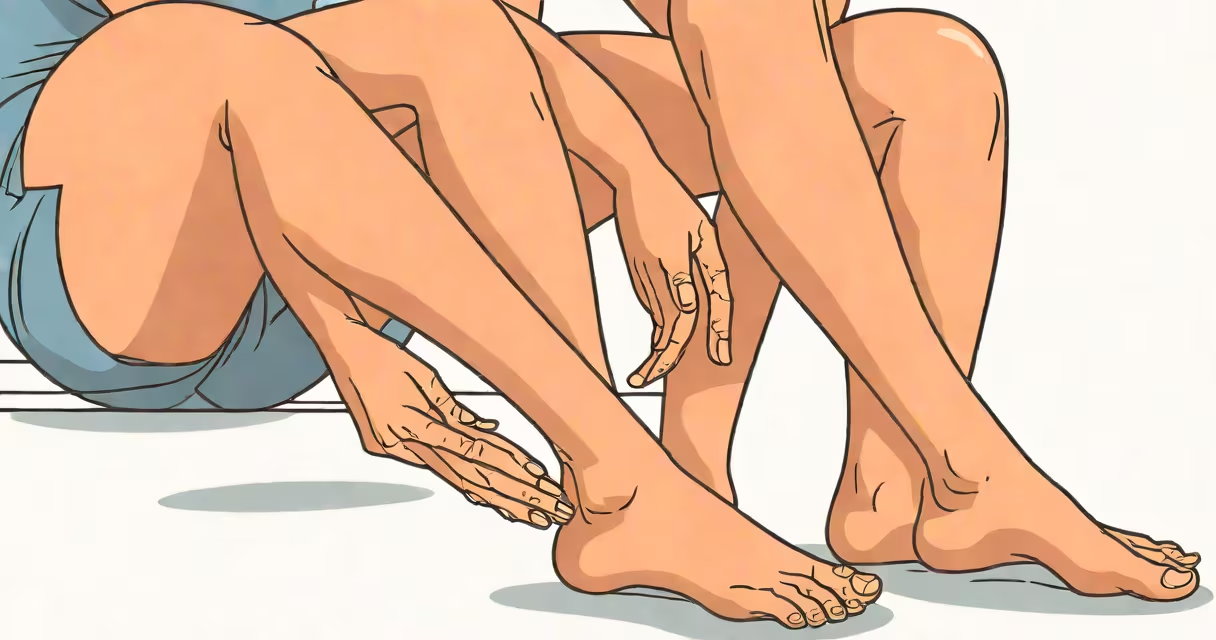
Knee pain and swelling result from inflammation, fluid buildup, or tissue damage in the joint. Causes range from acute injuries like ligament tears to chronic conditions such as osteoarthritis. Swelling often develops within hours of trauma or gradually over weeks in degenerative diseases.
The knee joint contains multiple structures: bones (femur, tibia, patella), cartilage, ligaments (ACL, PCL, MCL, LCL), tendons, and synovial fluid. When any of these components are injured or inflamed, the body responds with swelling and pain. The synovial membrane releases excess fluid to protect the area, which increases pressure and discomfort.
Common triggers include physical trauma, overuse, autoimmune disorders, infections, and metabolic issues like gout. Swelling may appear suddenly after a fall or develop slowly due to wear-and-tear. Identifying the root cause requires clinical evaluation, imaging, and sometimes lab tests.
Swelling occurs when blood vessels dilate and leak fluid into surrounding tissues. This process, called edema, is part of the inflammatory response. In the knee, fluid accumulates in the joint space (synovial cavity) or soft tissues around the joint. The body's immune system activates white blood cells and cytokines to repair damage, but this leads to heat, redness, and tenderness.
Pain arises from nerve endings in the joint capsule, ligaments, and bone. Pressure from fluid buildup stretches the capsule, stimulating nociceptors. Pain worsens with movement, weight-bearing, or changes in weather. Some people report increased pain during cold, damp conditions, though evidence remains mixed.
A 2021 study published in Arthritis & Rheumatology found that patients with knee osteoarthritis experienced a 30% increase in joint volume on MRI scans during symptomatic flare-ups, confirming that fluid accumulation correlates directly with symptom severity.
Conditions causing knee pain and swelling fall into several categories based on mechanism:
| Type | Primary Cause | Key Features | Prevalence |
|---|---|---|---|
| Injury-related | Ligament or meniscus tear | Sudden onset, locking, instability | ~60% of acute cases |
| Osteoarthritis | Cartilage breakdown | Gradual onset, stiffness, morning pain | Over 30 million U.S. adults |
| Rheumatoid arthritis | Autoimmune attack on joints | Bilateral swelling, fatigue, fever | Approx. 1.3 million U.S. cases |
| Infection (septic arthritis) | Bacterial invasion | High fever, severe pain, rapid swelling | Less than 1% of knee cases |
| Gout | Uric acid crystal deposition | Acute, excruciating pain, redness | ~4% of U.S. adults |
Meniscus tears are among the most frequent reasons for sudden knee swelling. A 2020 study in Journal of Orthopaedic Research reported that 78% of patients with meniscal injuries had detectable effusion (fluid) on ultrasound within 48 hours of injury.
Swelling can occur without visible trauma. For example, a 55-year-old woman with no history of injury developed bilateral knee swelling over three days. Imaging revealed early-stage rheumatoid arthritis. She had no pain initially, but swelling progressed rapidly. This illustrates that swelling may precede pain in autoimmune conditions.
Many assume swelling equals injury. But fluid buildup can originate from systemic issues. Gout, for instance, causes sharp pain and swelling even in otherwise healthy individuals. A patient with normal BMI and no prior joint problems presented with a hot, swollen knee. Blood tests showed elevated uric acid levels-diagnosis: gout. Treatment with colchicine resolved symptoms in 48 hours.
Another misconception is that swelling always indicates serious damage. Mild swelling after prolonged walking or standing is normal. However, persistent swelling beyond 48 hours warrants evaluation. The American College of Rheumatology recommends imaging if swelling lasts longer than a week without clear cause.
I once observed a patient who attributed knee swelling to "overuse" after hiking. He had no trauma, but swelling persisted. An MRI revealed a small synovial cyst compressing the joint. Surgical removal eliminated symptoms. This case highlights that internal structural issues can mimic overuse.
Seek immediate attention if swelling is accompanied by fever, chills, redness, or inability to bear weight. These signs suggest infection or septic arthritis-a medical emergency. Delayed treatment can lead to irreversible joint destruction.
For gradual-onset swelling, consult a provider if pain limits daily activities, swelling persists beyond five days, or joint function declines. Early diagnosis improves outcomes. For example, early treatment of rheumatoid arthritis reduces long-term disability by 50%, according to the National Institute of Arthritis and Musculoskeletal and Skin Diseases.
Understanding the reason for knee pain and swelling begins with recognizing patterns: sudden vs. gradual onset, unilateral vs. bilateral, presence of systemic symptoms. Accurate diagnosis guides effective treatment and prevents complications.