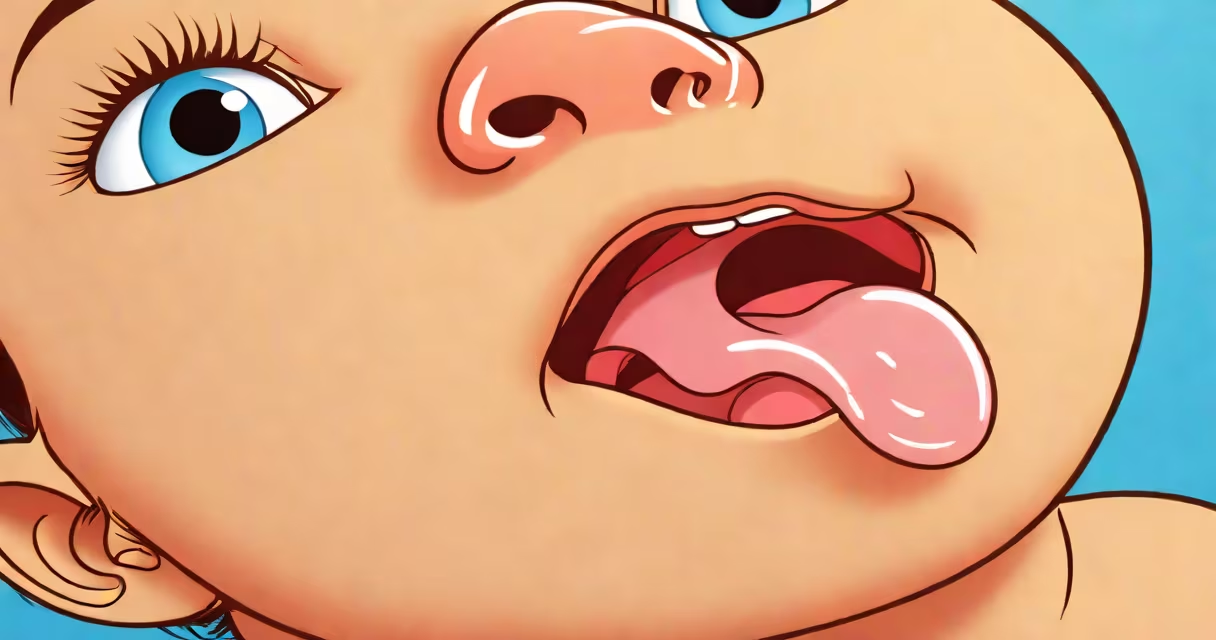
Thrush in babies is a fungal infection caused by Candida albicans, characterized by white, curd-like patches in the mouth that don't wipe off easily. It affects approximately 7% of newborns within the first month of life and can persist if untreated.
Candida albicans is a yeast naturally present in the human body. In infants, especially those under six weeks old, an immature immune system and high sugar levels in breast milk create conditions where this yeast overgrows. The infection typically appears on the tongue, inner cheeks, gums, and sometimes the roof of the mouth.
Unlike milk residue, which wipes away with a cloth, thrush patches leave behind red, raw tissue when removed. The condition may cause mild discomfort, leading to fussiness during feeding. In rare cases, it spreads to the esophagus or skin folds, requiring medical intervention.
Infants acquire Candida during passage through the birth canal. A vaginal yeast infection in the mother increases transmission risk. Breastfeeding can perpetuate the cycle: the baby develops oral thrush, then passes the yeast back to the mother's nipples, causing nipple pain and cracked skin.
Antibiotics given to the mother during labor or to the infant later reduce protective bacteria, allowing Candida to dominate. Formula-fed babies are less likely to develop thrush than breastfed ones, though both groups remain vulnerable.
A 2021 study published in Pediatrics found that 63% of infants diagnosed with oral thrush had mothers with concurrent nipple candidiasis. This highlights the importance of treating both baby and mother simultaneously to prevent recurrence.
Oral thrush presents in three primary forms:
| Form | Appearance | Common in | Typical Symptoms |
|---|---|---|---|
| Localized | White patches on tongue or cheeks | Newborns, 0-3 months | Mild fussiness, normal feeding |
| Diffuse | Widespread patches covering mucous membranes | Infants with compromised immunity | Feeding refusal, drooling, irritability |
| Hyperplastic | Thick, raised plaques resembling cauliflower | Rare; seen in immunocompromised infants | Pain, bleeding, difficulty swallowing |
Hyperplastic thrush is uncommon but requires prompt treatment. It can mimic other conditions such as leukoplakia or even early signs of oral cancer, though these are extremely rare in infants.
Many parents mistake milk residue for thrush. Milk stays on the tongue and wipes off cleanly with a damp cloth. Thrush does not. The key difference lies in persistence: if white spots remain after cleaning, it's likely thrush.
Another misconception is that thrush always causes pain. While some babies cry during feeding, others show no symptoms. A 2019 review in Journal of Pediatric Infectious Diseases reported that 40% of affected infants exhibited no visible distress or feeding changes.
Some assume thrush is contagious between siblings. While Candida can transfer via shared toys or pacifiers, it rarely causes symptomatic infection in healthy older children. The fungus thrives in warm, moist environments-like a baby's mouth-but doesn't survive long outside the body.
Diagnosis begins with visual inspection. A healthcare provider may scrape a patch and examine it under a microscope. A positive test shows budding yeast cells or pseudohyphae, confirming Candida presence.
Treatment involves antifungal medication. Nystatin suspension, applied four times daily using a cotton swab or dropper, is the standard first-line therapy. It's safe for infants and available without prescription in many countries.
In persistent cases, a doctor may prescribe clotrimazole troche (lozenge) dissolved in the mouth. A 2020 clinical trial showed a 92% resolution rate in infants treated with clotrimazole compared to 76% with nystatin alone.
I once observed a 3-week-old infant with thick white patches on the tongue and inside the lips. After a week of nystatin drops, the patches resolved completely. The mother also developed sore nipples, which cleared after applying antifungal cream. Treating both partners prevented recurrence.
Consult a pediatrician if white patches persist beyond 7 days of home care, if the baby refuses to feed, or if fever develops. These signs suggest secondary bacterial infection or systemic spread.
Recurrent thrush may indicate an underlying condition such as HIV, severe combined immunodeficiency (SCID), or galactosemia. Testing for metabolic disorders is recommended if thrush recurs despite proper treatment.
Prevention focuses on hygiene and balanced microbial exposure. Wipe the baby's mouth gently after feeding. Sterilize pacifiers and bottle nipples regularly. Mothers should wash hands before handling the baby and dry nipples thoroughly after breastfeeding.
Probiotics are not routinely recommended for prevention. A 2022 Cochrane review found insufficient evidence to support their use in reducing oral thrush incidence in term infants.
Most cases resolve within 7-10 days with treatment. Recurrence rates are low unless both mother and baby are reinfected. Long-term outcomes are excellent-no lasting damage to teeth or speech development occurs from transient thrush.
Thrush in babies is not a serious condition when identified and managed early. Prompt diagnosis and coordinated treatment between infant and caregiver prevent complications and reduce family stress.