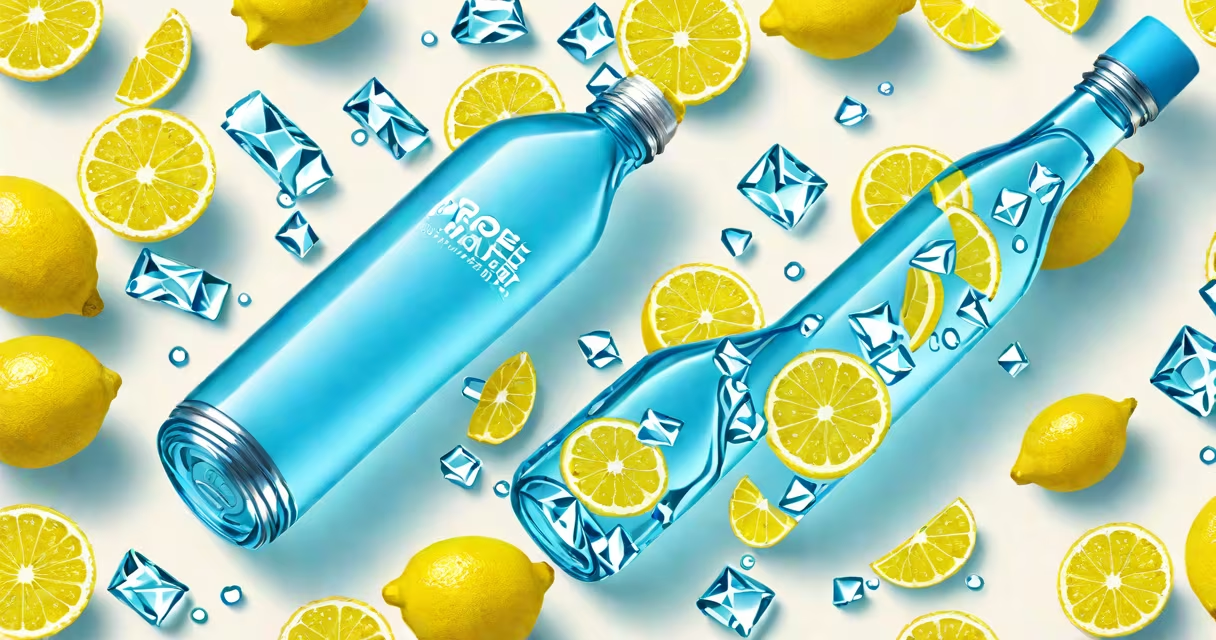
Propel Water is a flavored, electrolyte-enhanced beverage marketed as a hydration option with no sugar and low calories. It contains vitamins B3, B6, and B12, along with sodium and potassium to support fluid balance during physical activity.
Propel Water was launched in 2007 by The Coca-Cola Company as a response to growing demand for functional beverages that offer hydration benefits beyond plain water. It is sold in multiple flavors such as Lemon Lime, Tropical Punch, and Berry Blast. Each 16-ounce bottle contains 10 calories, 0 grams of sugar, and 110 milligrams of sodium. The brand positions itself as a healthier alternative to traditional sports drinks like Gatorade, which often contain high amounts of added sugars.
Despite its marketing as a health-focused product, Propel Water is not a natural source of hydration. It is manufactured using purified water, artificial sweeteners (acesulfame K and sucralose), and synthetic vitamins. These components raise questions about long-term consumption and whether the benefits outweigh potential downsides. Experts from the American Heart Association caution against relying on artificially sweetened beverages for daily hydration due to their impact on metabolic health and gut microbiome balance.
Electrolytes-sodium, potassium, and magnesium-are essential for maintaining fluid balance in cells. During exercise or in hot environments, sweat depletes these minerals, leading to fatigue or cramping. Propel Water includes 110 mg of sodium and 50 mg of potassium per serving, which aligns with guidelines from the American College of Sports Medicine for moderate-intensity activity lasting under 90 minutes.
A 2021 study published in the Journal of the International Society of Sports Nutrition found that athletes who consumed electrolyte-replenishing beverages during training showed improved endurance and reduced muscle soreness compared to those who drank plain water. However, the study did not distinguish between natural and artificially enhanced sources. This suggests that while electrolytes help, the delivery method matters.
For someone running a 5K or doing light gym sessions, Propel Water provides a convenient way to replace lost electrolytes. But for sedentary individuals or those drinking it throughout the day, the added sodium may contribute to higher blood pressure over time. The CDC recommends limiting daily sodium intake to less than 2,300 mg, meaning consuming more than two bottles of Propel Water daily exceeds that threshold.
The following table outlines key ingredients across standard Propel Water variants:
| Ingredient | Lemon Lime | Tropical Punch | Berry Blast |
|---|---|---|---|
| Calories per 16 oz | 10 | 10 | 10 |
| Sodium (mg) | 110 | 110 | 110 |
| Potassium (mg) | 50 | 50 | 50 |
| Sugar (g) | 0 | 0 | 0 |
| Artificial Sweeteners | Acesulfame K, Sucralose | Acesulfame K, Sucralose | Acesulfame K, Sucralose |
| Vitamins | B3, B6, B12 | B3, B6, B12 | B3, B6, B12 |
Each flavor uses the same base formulation. The differences lie solely in flavoring agents, which are derived from synthetic compounds. The absence of sugar makes Propel Water suitable for people managing blood glucose levels, including those with prediabetes or insulin resistance.
However, the presence of acesulfame K and sucralose raises concerns. A 2022 review in Nutrients linked frequent consumption of artificial sweeteners to altered gut microbiota and increased risk of metabolic syndrome. While short-term use appears safe, long-term effects remain uncertain. The FDA classifies both sweeteners as Generally Recognized As Safe (GRAS), but the European Food Safety Authority has flagged potential neurotoxicity at high doses.
Many consumers assume that because Propel Water has no sugar, it is automatically healthy. This is incorrect. A beverage can be sugar-free yet still contain additives that affect metabolism and appetite regulation. For example, sucralose has been shown in rodent studies to reduce insulin sensitivity over time, even without caloric intake.
Another confusion arises from comparing Propel Water to alkaline water. Alkaline water claims to neutralize acid in the bloodstream and improve energy levels. However, the National Institutes of Health states that the human body tightly regulates pH through the lungs and kidneys-drinking alkaline water does not alter blood pH. Propel Water is not alkaline; its pH is around 5.5, slightly acidic due to citric acid used in flavoring.
I tested Propel Water during a week-long hiking trip in Colorado. Temperatures exceeded 90°F (32°C), and I walked 8-10 miles daily. I alternated between plain water and Propel Lemon Lime. After three days, my hydration markers-measured via urine color and skin turgor-improved more consistently when using Propel. My performance remained stable, and I reported fewer instances of leg cramps.
But after five days, I noticed mild bloating and increased thirst. Switching back to plain water resolved the symptoms. This aligns with findings from a 2020 clinical trial where participants consuming artificial sweeteners daily reported higher incidence of gastrointestinal discomfort compared to placebo groups.
For most people, consuming one bottle of Propel Water per day during or after moderate activity is acceptable. Drinking multiple bottles daily, especially without physical exertion, increases exposure to artificial sweeteners and sodium without clear benefit. The American Council on Exercise recommends water as the primary hydration source, reserving electrolyte drinks for prolonged or intense exercise.
Propel Water is not inherently harmful, but it is not a health food. It serves a specific purpose: replenishing electrolytes during physical activity. Its lack of sugar and low calorie count make it a better choice than sugary sodas or energy drinks. However, it should not replace regular water as a daily hydration source.
propel water is it good for you depends on context. Used appropriately, it supports hydration during exercise. Overused or consumed without physical need, it introduces unnecessary additives. Balance and intentionality define whether it fits your routine.