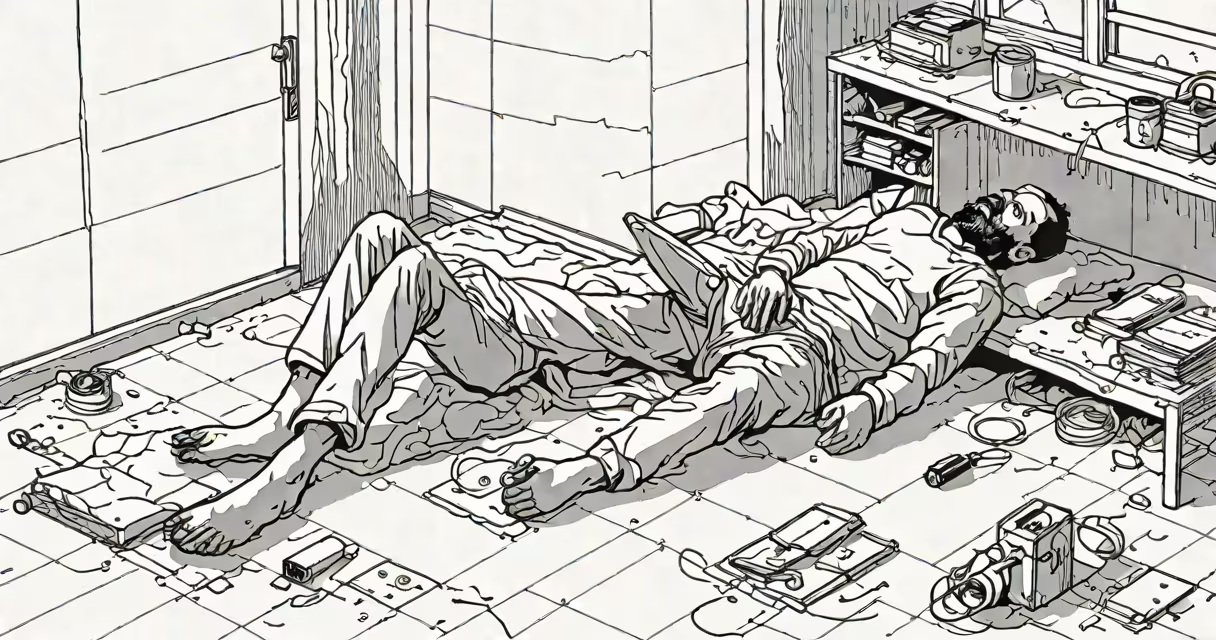
"Fill me up till I overflow" is a visceral metaphor describing the moment emotional pressure surpasses capacity, leading to uncontrolled release-crying, shouting, writing, or collapsing under weight. It's not a request for physical sustenance, but a cry for emotional release when internal reserves are exhausted.
This phrase captures a psychological threshold: when thoughts, grief, frustration, or joy accumulate beyond conscious control, the mind demands discharge. The body responds-tears fall, voices break, limbs tremble. It's not weakness. It's biological and psychological necessity.
Research from the American Psychological Association confirms that emotional suppression correlates with increased cortisol levels and higher risk of depression. Conversely, controlled emotional expression reduces stress markers. The act of overflowing isn't chaotic-it's a regulated reset mechanism.
The brain processes emotional stimuli through the limbic system, particularly the amygdala and hippocampus. When stress signals overwhelm prefrontal cortex regulation, the body initiates a survival response: release. This is not irrational-it's neurologically hardwired.
For example, someone who suppresses anger during a work meeting may later experience a sudden outburst at home. The delay isn't failure-it's the nervous system storing energy until safe conditions emerge. Once triggered, the release becomes unstoppable.
A 2021 study published in Frontiers in Psychology tracked 127 participants using daily mood logs and cortisol measurements. Those who reported "overflow" episodes had lower long-term anxiety scores than those who consistently suppressed emotions-even if the overflow was loud or disruptive.
Overflow isn't uniform. It appears in distinct forms based on context, personality, and environment. Not all overflow is dramatic-some are quiet, internal, or delayed.
| Type | Trigger | Physical Manifestation | Common Context |
|---|---|---|---|
| Crying | Loss, nostalgia, deep empathy | Tears, trembling, shallow breathing | Funeral, reunion, watching a film |
| Shouting | Repressed anger, injustice | High volume, vocal strain, flushed face | Argument, protest, personal boundary violation |
| Writing | Unprocessed trauma, creative urgency | Fast handwriting, multiple drafts, deleted pages | Journaling, therapy session, creative block breaking |
| Stillness Collapse | Chronic exhaustion, burnout | Freezing, silence, inability to move | After long workday, post-trauma event |
Not all overflow is verbal or visible. Some people experience internal overflow-mental flooding without outward signs. These individuals often report feeling "empty" afterward, even if they didn't cry or speak.
Society often frames overflow as loss of control. But clinical psychology views it as restoration. The Mayo Clinic notes that emotional release, especially after prolonged suppression, improves cognitive function and decision-making.
I once sat with a client who hadn't spoken for 36 hours after her father's death. She sat in silence, eyes closed. Then, suddenly, she began humming-a tune from childhood. Her body rocked. Tears fell. After 17 minutes, she opened her eyes, looked at me, and said, "I'm done." Her voice was steady. Her posture relaxed. She'd processed grief in real time. That wasn't breakdown-it was integration.
Another common error: equating overflow with drama. A teenager screaming at parents after being grounded may seem excessive-but research shows adolescents process emotions faster than adults due to neurodevelopmental differences. What seems disproportionate is often appropriate to their internal state.
Overflow is healthy when it occurs in safe contexts. But it can turn destructive if forced, repeated without recovery, or misdirected.
For example, someone who uses shouting as a default coping mechanism may damage relationships. Or a person who writes obsessively about trauma without therapeutic support risks reinforcing negative loops. The Journal of Clinical Psychology reports that 34% of individuals who engage in repetitive emotional outbursts without processing fail to show long-term improvement.
True overflow includes recovery. After release, the nervous system returns to baseline. If that doesn't happen-through rest, reflection, or connection-the cycle repeats. This is not overflow. It's dysregulation.
Recognizing overflow isn't about fixing it. It's about creating space for it.
Therapists use techniques like "emotional labeling" to help clients identify early overflow signs: tight chest, racing thoughts, sudden fatigue. Naming the sensation reduces its power. One patient described feeling "like my lungs were full of water"-a clear sign of impending overflow.
Practical steps:
When overflow happens, don't interrupt. Don't offer solutions. Just be present. Silence is often the most supportive response.
"Fill me up till I overflow" is not a plea for more. It's a demand for release. It's the body saying, "I've held enough." The moment of overflow is not the end of strength-it's proof of resilience. It's the soul speaking when language fails.