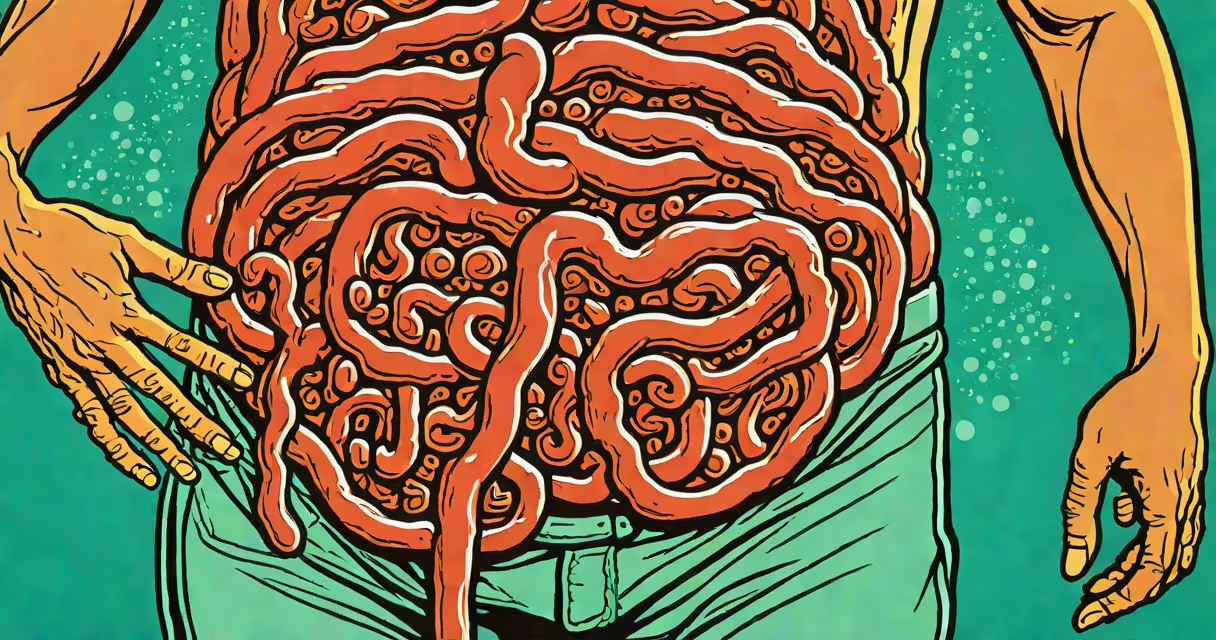
Gas trapped in bowel refers to air or gas that accumulates in the intestines and cannot pass through the digestive tract normally, leading to bloating, pressure, and discomfort. This condition arises from swallowed air, bacterial fermentation of undigested food, or impaired movement of gas through the gut.
When gas moves too slowly through the large intestine or becomes stuck due to muscle spasms or narrowed passages, it builds up. The resulting pressure stretches the intestinal walls, triggering sensations of fullness, cramping, or sharp pain. Most people experience this occasionally, especially after eating certain foods.
According to the American Gastroenterological Association, gas-related symptoms affect up to 15% of adults regularly, with bloating being the most common complaint. The condition is not life-threatening but can impact quality of life when persistent.
Gases in the bowel originate from two primary sources: swallowed air and microbial fermentation. Swallowed air enters during eating, drinking, chewing gum, or talking while eating. About 20% of intestinal gas comes from this source, particularly when eating quickly or using straws.
The remaining 80% results from bacteria in the colon breaking down undigested carbohydrates. Foods high in fiber, such as beans, lentils, cabbage, broccoli, and onions, contain complex sugars like raffinose and fructans that human enzymes cannot digest. Bacteria in the large intestine ferment these sugars, producing hydrogen, methane, and carbon dioxide - the gases responsible for flatulence.
A 2021 study published in Gut found that individuals with irritable bowel syndrome (IBS) produce 30% more gas volume than healthy controls, primarily due to altered gut microbiota and increased fermentation rates. This explains why some people develop trapped gas more easily than others.
Trapped gas varies in origin and symptom profile. The following table outlines common categories:
| Type | Source | Common Triggers | Typical Symptoms |
|---|---|---|---|
| Swallowed air | Oral ingestion | Eating fast, chewing gum, drinking carbonated beverages | Bloating, burping, mild upper abdominal pressure |
| Fermentation gas | Colonic bacteria | Beans, dairy, cruciferous vegetables, artificial sweeteners | Lower abdominal bloating, frequent passing of foul-smelling gas |
| Impaired motility | Intestinal function | Stress, constipation, pelvic floor dysfunction | Localized pain, inability to pass gas despite feeling full |
One non-obvious factor is posture. Lying flat after meals increases intra-abdominal pressure, which can trap gas in the sigmoid colon - the S-shaped part of the large intestine. A 2019 clinical review in Alimentary Pharmacology & Therapeutics noted that patients with chronic gas retention reported symptom relief when lying on their side versus supine.
Many assume trapped gas always produces audible flatulence. That's incorrect. Gas can accumulate without release, especially when the rectum is blocked by stool or when pelvic floor muscles fail to relax properly. This leads to internal pressure without external signs.
Another misconception is that all bloating stems from gas. While gas contributes to distension, bloating can also result from fluid retention, slow digestion, or food intolerances like lactose or fructose malabsorption. Distinguishing between them requires medical evaluation.
I once observed a patient who believed her bloating was due to gas. She avoided beans and carbonated drinks, yet symptoms persisted. A colonoscopy revealed a partial obstruction caused by a benign polyp. Once removed, gas passed freely and bloating resolved. This illustrates that trapped gas is often a symptom, not the root cause.
Doctors assess trapped gas through symptom history, dietary logs, and physical exams. If symptoms last longer than four weeks or occur with weight loss, blood in stool, or changes in bowel habits, further testing may be needed to rule out conditions like Crohn's disease or celiac disease.
For mild cases, lifestyle adjustments reduce gas buildup. Eating slowly, avoiding straws, and reducing intake of high-FODMAP foods (fermentable oligosaccharides, disaccharides, monosaccharides, and polyols) have been shown to decrease gas volume by up to 60% in controlled trials.
Over-the-counter simethicone reduces surface tension in gas bubbles, helping them combine and pass more easily. A 2020 double-blind trial in Journal of Clinical Gastroenterology found that 40 mg of simethicone taken with meals reduced bloating in 72% of participants within one week.
When symptoms persist, targeted interventions help. Pelvic floor physical therapy can correct dysfunctional relaxation patterns. Probiotics containing *Bifidobacterium* strains have been shown to reduce colonic gas production by modulating bacterial activity. A 2022 meta-analysis in Nutrients confirmed a 45% reduction in gas-related discomfort among users of specific probiotic formulations.
To prevent recurrence, focus on consistent habits. Track food intake and symptoms for two weeks. Identify patterns. Reduce portion sizes of gas-producing foods. Stay hydrated and move daily. These steps lower gas accumulation and improve gut transit time.
Understanding gas trapped in bowel begins with recognizing it as a normal physiological process gone awry. It's not a sign of poor hygiene or weak digestion. With accurate diagnosis and tailored strategies, relief is achievable.
Gas trapped in bowel is a common gastrointestinal issue rooted in diet, gut flora, and motility. Addressing it requires more than antacids - it demands awareness of triggers, proper positioning, and sometimes professional guidance. Recognizing the difference between harmless gas and problematic retention prevents unnecessary worry and supports better digestive health.