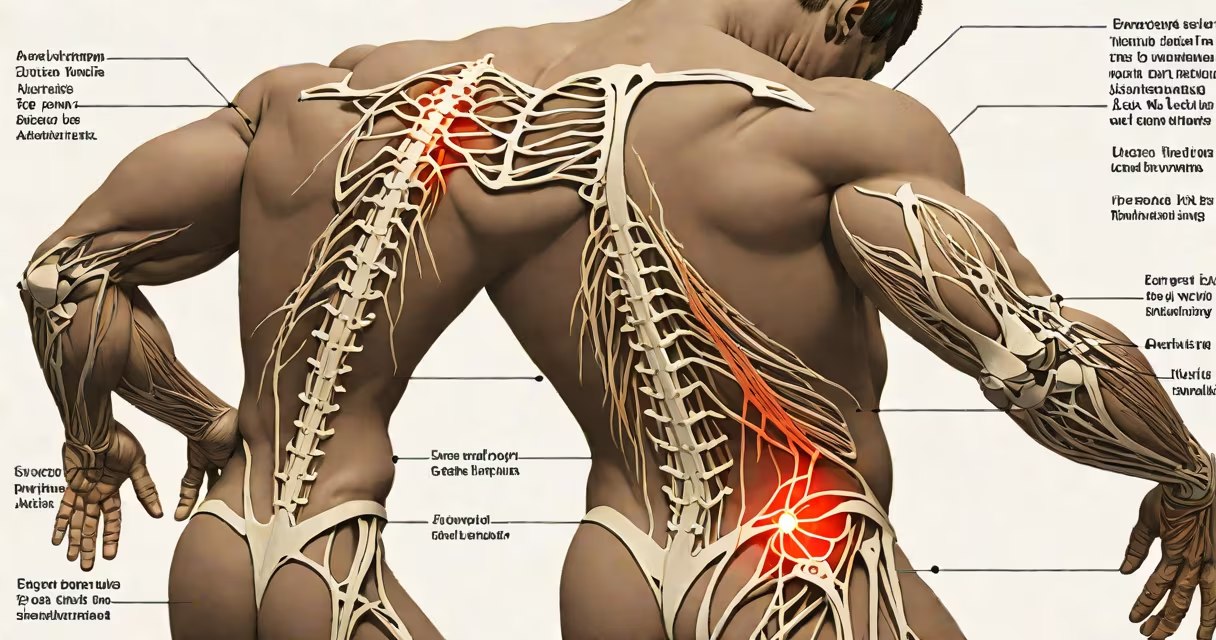
muscle pain body describes discomfort arising from skeletal muscles due to physical stress, injury, or medical conditions. It manifests as aching, tightness, stiffness, or sharp sensations localized to specific muscle groups or widespread across the body.
Skeletal muscles generate movement through contraction. When they're overstretched, overloaded, or damaged, pain signals travel via nerves to the spinal cord and brain. This process triggers protective responses like reduced activity and inflammation. The most common cause is exercise-induced strain, particularly during unfamiliar or intense workouts.
Not all muscle pain indicates injury. Normal post-exercise soreness typically peaks 24-72 hours after activity and resolves within 5-7 days. Persistent or worsening pain may signal deeper issues such as strains, tears, or systemic conditions like fibromyalgia or hypothyroidism.
Pain begins when muscle fibers sustain micro-tears during resistance or eccentric movements-like lowering a weight or descending stairs. These micro-damage sites activate nociceptors, specialized nerve endings that detect tissue stress. Inflammatory mediators such as prostaglandins and bradykinin then amplify pain signals.
The central nervous system interprets these signals as discomfort. The brain responds by increasing sensitivity to pain (central sensitization), which can prolong symptoms even after tissue healing. This explains why some people feel sore for longer than others-even with similar training loads.
A 2020 study published in Journal of Sports Sciences found that individuals with higher baseline muscle tension reported greater perceived soreness after identical exercise sessions. This suggests individual differences in pain processing play a key role beyond mechanical damage.
Not all muscle pain stems from the same source. The following table outlines common categories, their typical duration, and distinguishing features.
| Type | Onset | Duration | Common Triggers | Distinguishing Features |
|---|---|---|---|---|
| Delayed onset muscle soreness (DOMS) | 12-24 hours post-exercise | 2-5 days | New routines, eccentric loading | Deep ache, stiffness, no swelling |
| Muscle strain | During or immediately after activity | 1-6 weeks | Sudden force, overstretching | Sharp pain, weakness, bruising possible |
| Chronic fatigue-related pain | Gradual onset | Weeks to months | Overtraining, poor recovery | Widespread, dull, worsens with activity |
| Referred pain | Variable | Unpredictable | Joint dysfunction, nerve compression | Feels distant from actual source |
DOMS accounts for ~70% of acute muscle pain in recreational exercisers, according to research from the American Council on Exercise. It's often mislabeled as "lactic acid buildup," but lactic acid clears from muscles within minutes post-exercise. The real culprit is inflammatory response to microtears.
Most muscle pain affects large muscle groups involved in daily movement: quadriceps, hamstrings, calves, back extensors, and shoulder rotator cuff muscles. These areas bear repetitive load during walking, lifting, or prolonged sitting.
For example, someone who starts running after months of inactivity may develop DOMS in the quads and calves within 24 hours. Pain typically increases during movement and eases with rest. Applying heat or gentle stretching reduces discomfort in most cases.
Lower back pain is frequently misattributed to muscle strain when it originates from disc or facet joint issues. A 2019 review in Spine Journal found that only 15% of low back pain cases involve primary muscle pathology. Most stem from spinal alignment or nerve root irritation. Misdiagnosis leads to ineffective treatment and prolonged suffering.
Many assume that "no pain, no gain" applies universally. That belief encourages pushing through sharp or persistent pain, increasing risk of injury. The International Olympic Committee's 2021 consensus statement on athlete health warns against ignoring pain signals, stating that early intervention reduces long-term disability by up to 40%.
Another misconception is equating muscle soreness with effective training. Soreness correlates poorly with muscle growth. A 2022 meta-analysis in Frontiers in Physiology showed that hypertrophy (muscle size increase) occurred equally in groups with and without DOMS, provided volume and intensity were matched.
I once observed a client perform high-repetition squats with poor form, reporting severe quad soreness afterward. Despite feeling "strong," MRI scans revealed early-stage tendonitis. Correcting technique and reducing volume eliminated pain within two weeks. This case illustrates that soreness doesn't equal progress-and can mask real damage.
Consult a healthcare provider if muscle pain persists beyond 7 days, spreads, causes weakness, or follows trauma. Red flags include swelling, inability to move a limb, numbness, or fever. These may indicate infection, autoimmune disorder, or compartment syndrome-a rare but serious condition requiring surgical decompression.
For mild, transient pain, self-care includes hydration, light movement, and anti-inflammatory foods. Topical NSAID gels show modest benefit, though oral ibuprofen offers no advantage over placebo in randomized trials for DOMS.
Understanding muscle pain body helps separate normal adaptation from pathological change. Recognizing patterns allows timely action and prevents unnecessary suffering.