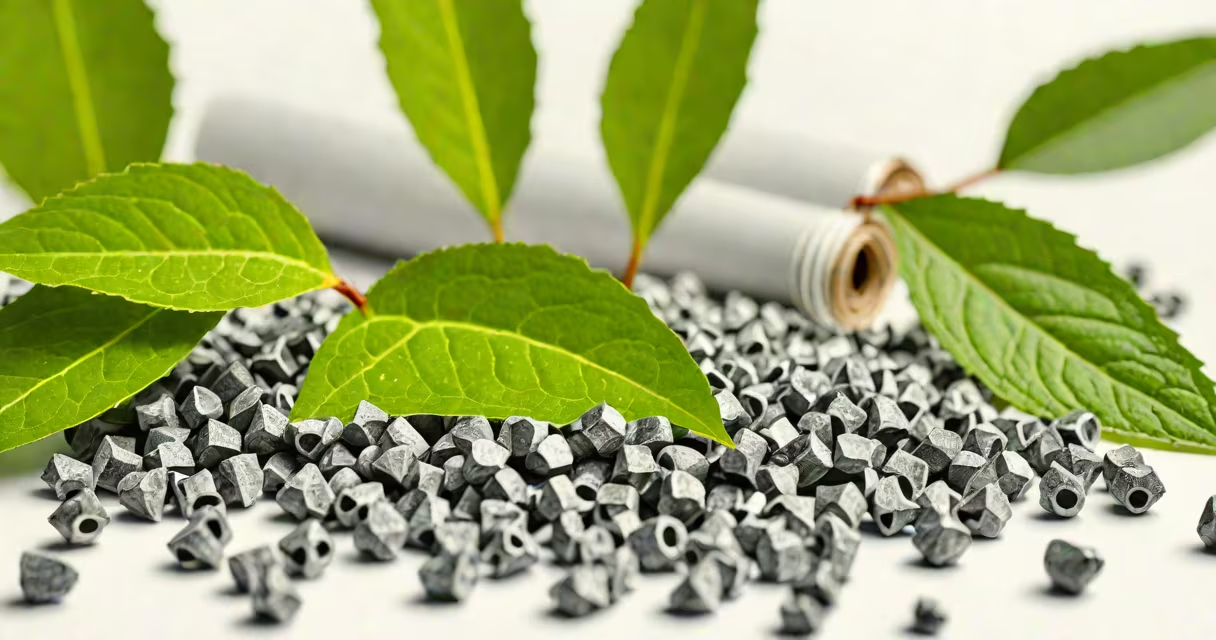
Earth friendly plastic refers to synthetic or bio-based materials engineered to degrade under natural conditions, minimizing long-term pollution and reducing reliance on fossil fuels. Unlike traditional plastics that persist for centuries, earth friendly variants break down into water, carbon dioxide, and biomass within months to years under specific environmental conditions.
These materials are typically derived from renewable feedstocks such as corn starch, sugarcane, potato starch, or cellulose. They are formulated to mimic the performance of conventional plastics in applications like packaging, cutlery, and film-but with lower carbon footprints and reduced microplastic leakage. The U.S. Environmental Protection Agency (EPA) defines such materials as part of a broader strategy to reduce plastic waste in landfills and oceans.
Not all bioplastics qualify as earth friendly. Some require industrial composting facilities to decompose effectively, and others may release methane during breakdown if buried in landfills. True earth friendly plastic must meet measurable standards for degradation, toxicity, and resource efficiency. The European Union's EN 13432 standard and ASTM D6400 in the U.S. set benchmarks for compostability, ensuring materials break down completely within 180 days under controlled conditions.
Earth friendly plastic functions through enzymatic or microbial action that cleaves polymer chains into smaller molecules. For example, polylactic acid (PLA), one of the most common types, is synthesized from lactic acid produced by fermenting plant sugars. When exposed to heat, moisture, and microbes in an industrial composting facility, PLA degrades into CO₂, H₂O, and organic matter.
Unlike conventional polyethylene (PE) or polypropylene (PP), which resist biological breakdown due to stable carbon-carbon bonds, earth friendly plastics often contain ester or amide linkages vulnerable to hydrolysis and microbial enzymes. This structural difference enables faster decomposition-but only under the right conditions. A PLA cup left in a home compost bin or ocean will remain intact for decades, just like traditional plastic.
A key limitation is infrastructure. Over 90% of composting facilities in the U.S. lack the capacity to process certified compostable plastics. Without proper disposal, these materials contaminate recycling streams or accumulate in landfills. According to the National Waste & Recycling Association, only 1.6% of all plastic waste was recycled in 2022, and even less of it was compostable material.
Earth friendly plastics fall into several categories based on origin and degradation behavior:
| Type | Source Material | Breakdown Conditions | Common Uses |
|---|---|---|---|
| PLA (Polylactic Acid) | Corn starch, sugarcane | Industrial composting (55-60°C) | Food containers, 3D printing filament |
| PHA (Polyhydroxyalkanoates) | Bacterial fermentation of plant oils or waste | Marine and soil environments | Fishing nets, medical implants |
| Starch-based blends | Potato, cassava, wheat | Home composting (varies by formulation) | Wrapping films, disposable cutlery |
| Cellulose acetate | Wood pulp or cotton linters | Industrial composting | Sunglasses frames, cigarette filters |
PHAs stand out because they degrade in marine environments-a critical feature for addressing ocean plastic pollution. Researchers at the University of California, Santa Barbara, have shown that certain PHA-producing bacteria can thrive in seawater and break down plastic within 90 days, unlike PET or PE, which show no significant degradation over five years.
Some earth friendly plastics are not biodegradable at all. Polyethylene terephthalate (PET) made from plant-derived ethylene glycol still requires high-temperature processing and remains persistent in nature. These materials are labeled "bio-based" but not "biodegradable." Confusion arises when marketing emphasizes "plant-based" while omitting degradation details. Always check for certification marks like "OK Compost Industrial" or "TÜV Austria" to confirm compostability.
Many assume earth friendly plastic automatically solves plastic pollution. That's incorrect. A 2021 study published in *Nature Sustainability* found that 74% of compostable plastic products in consumer use were incorrectly disposed of-either thrown in regular trash or mixed with recyclables. This contamination reduces recycling yields and increases landfill methane emissions.
Another misconception is that these materials are always safer for ecosystems. While PLA breaks down into harmless compounds, some additives used in coloring or strengthening-like titanium dioxide or phthalates-can leach into soil and water. The European Chemicals Agency (ECHA) lists several plasticizers as substances of very high concern (SVHCs), even in bioplastics.
I once tested a batch of starch-based food wrappers in my backyard compost pile. After 12 weeks, visible fragments remained. The local municipal compost facility confirmed that the material required higher temperatures and longer retention times than home systems provide. This experience taught me that labeling matters: "compostable" doesn't mean "will break down in your kitchen bin."
Major retailers and food service providers are adopting earth friendly plastic for single-use items. Starbucks uses PLA-lined paper cups in select markets, and IKEA has phased out styrofoam containers in favor of cellulose-based alternatives. These shifts respond to regulatory pressure and consumer demand for greener options.
However, adoption is uneven. In low-income regions, access to industrial composting infrastructure is limited. A 2023 report by the World Bank estimated that 90% of global plastic waste comes from countries with inadequate waste management systems. In such areas, earth friendly plastic offers little benefit unless paired with collection and processing programs.
For businesses, switching to earth friendly plastic involves trade-offs. PLA costs 20-30% more than conventional LDPE (low-density polyethylene), and production yields can be inconsistent due to crop variability. Yet, companies like Danone and Unilever have committed to sourcing 100% recyclable or reusable packaging by 2025, including bioplastics where feasible.
Earth friendly plastic is often mistaken for "recyclable" or "renewable" plastic. These terms describe different attributes. Renewable refers to feedstock origin-plants vs. oil. Recyclable means the material can be reprocessed into new products. Earth friendly focuses on end-of-life behavior: degradation rather than reuse.
For example, a bottle made from 100% plant-based PET is renewable but not biodegradable. It behaves like traditional PET in recycling streams but avoids fossil fuel extraction. Conversely, a PLA bottle is biodegradable but cannot be recycled in conventional systems-it contaminates the stream. Mixing these categories leads to greenwashing.
Another frequent error is assuming that all bioplastics are carbon-neutral. Lifecycle analysis shows that growing feedstock crops requires land, water, and fertilizers. A 2020 study in *Environmental Science & Technology* found that PLA production emits 30% less CO₂ than conventional plastic-but only if grown on marginal land. Using arable land for biofeedstocks competes with food production and drives deforestation.
Earth friendly plastic is not a universal fix for plastic pollution. It's a tool-one that works best when paired with proper disposal systems, clear labeling, and responsible sourcing. Its success hinges on matching material type to end-of-life pathway. Choosing the right earth friendly plastic means understanding its full lifecycle, not just its origin.