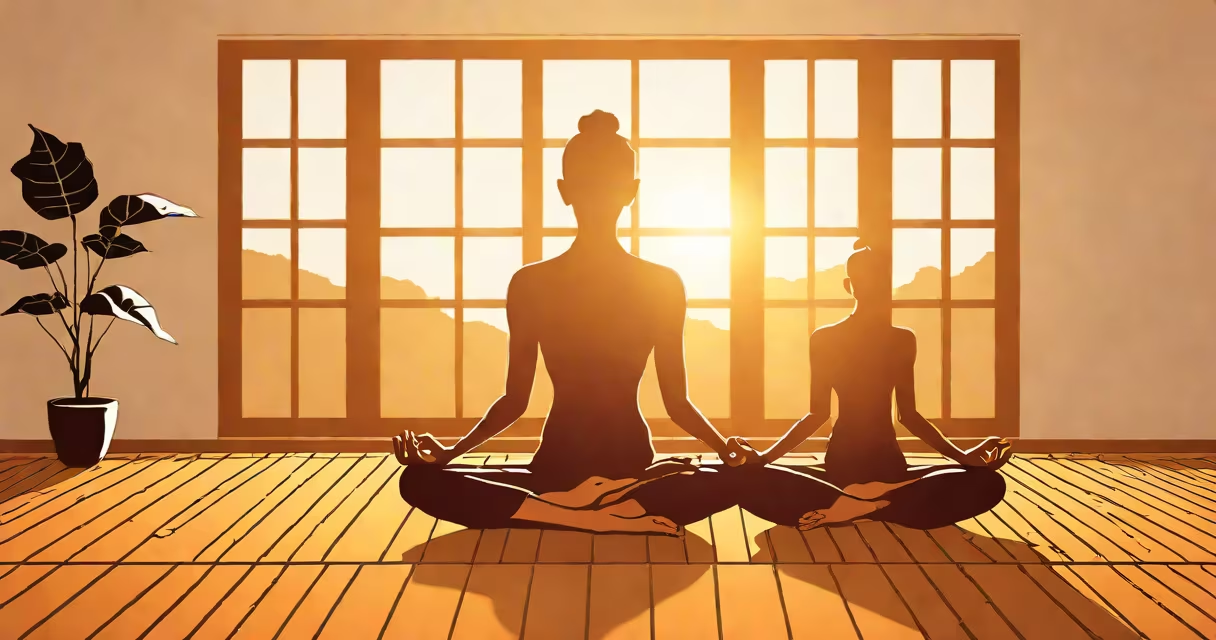
meditation and life describes the integration of regular mindfulness practice into daily routines to cultivate emotional balance, clarity, and long-term fulfillment. It's not about escaping reality but engaging with it more fully, using stillness as a tool for better decision-making, stronger relationships, and reduced reactivity.
Meditation and life begins with quieting the mind for short periods-typically 5 to 20 minutes-through focused attention on breath, bodily sensations, or a chosen mantra. Over time, this builds mental resilience. The practice doesn't require special equipment or settings. A chair, a cushion, or even standing in line can serve as a foundation. What matters is consistency, not duration.
Research from the National Institutes of Health shows that eight weeks of daily mindfulness meditation reduces activity in the amygdala-the brain region linked to fear and stress-while increasing connectivity in the prefrontal cortex, responsible for executive function. This shift correlates with measurable reductions in anxiety and improved concentration.
The core mechanism lies in training attention. Most people operate on autopilot, reacting emotionally to stimuli without pause. Meditation interrupts that cycle. By returning attention to the breath or a sensation repeatedly, the mind learns to disengage from automatic thoughts and return to the present.
This process strengthens the default mode network, which governs self-referential thinking. When overactive, it fuels rumination and worry. Regular practice dampens this pattern. A 2016 study published in *JAMA Internal Medicine* found that mindfulness meditation programs led to moderate improvements in anxiety, depression, and pain-effects comparable to antidepressant medication in some cases.
For example, someone who meditates for 10 minutes each morning reports fewer reactive outbursts during work meetings. They notice tension building earlier and choose to pause before responding. This small shift creates space between stimulus and reaction-a sign of emotional intelligence.
Not all meditation is the same. Different styles serve different purposes within the context of daily living.
| Type | Focus | Best for | Time commitment |
|---|---|---|---|
| Mindfulness (Vipassana) | Present-moment awareness of breath, body, thoughts | Reducing reactivity, improving focus | 5-20 min/day |
| Loving-kindness (Metta) | Directing goodwill toward self and others | Building empathy, reducing anger | 10-15 min/day |
| Body scan | Systematic attention to physical sensations | Releasing tension, improving sleep | 15-30 min/session |
| Walking meditation | Full awareness during movement | Grounding in motion, integrating practice into routine | 10-20 min/session |
Each method trains a different aspect of attention. Mindfulness builds observational skills. Loving-kindness nurtures emotional connection. Body scans improve somatic awareness. Walking meditation dissolves the false boundary between "practice" and "life."
People adopt meditation and life in response to chronic stress, burnout, or a sense of disconnection. It's common among professionals in high-pressure fields-doctors, lawyers, software engineers-who report improved focus and reduced emotional fatigue after six weeks of daily practice.
A 2021 survey by the American Psychological Association found that 74% of adults who practiced mindfulness reported lower levels of daily stress. Among those who meditated consistently for over three months, 62% said they made better decisions under pressure and felt more in control of their emotions.
One participant, a schoolteacher in Portland, began meditating after experiencing frequent irritability and sleep disruption. After two months of 12-minute sessions in the morning, she noticed she responded more calmly to student misbehavior. She stopped reacting defensively and started asking questions instead. Her classroom climate improved, according to peer evaluations.
Meditation and life is often misunderstood as a form of escape or spiritual retreat. It's not. It's not about achieving bliss or transcending the self. The goal is not to empty the mind but to observe it. Thoughts come and go-like clouds passing in the sky. The practice is noticing them without judgment.
Another myth: meditation requires hours of silence and isolation. That's not necessary. Many people integrate brief moments of awareness into existing routines-while brushing teeth, waiting for a bus, or during a lunch break. These micro-practices accumulate effects over time.
One key distinction: meditation and life is not the same as relaxation. While many people feel calmer afterward, the primary outcome isn't relaxation-it's awareness. You may sit with discomfort, anxiety, or grief and stay present with it. That's where transformation happens.
I spent a month tracking my mood and focus while practicing 10 minutes of seated meditation each morning. I used a simple timer and focused on the rise and fall of my breath. On days I skipped, I noticed increased irritability and difficulty concentrating. On days I meditated, I was more patient during conversations and less distracted by internal chatter. The difference wasn't dramatic-but it was consistent. After 30 days, I completed a complex project with fewer errors than usual. I didn't feel "better"-I felt clearer.
It's not a cure-all. It won't fix broken relationships overnight or eliminate financial stress. It doesn't replace therapy, medical treatment, or structural change. But it changes how you relate to challenges. Instead of being overwhelmed, you learn to meet them with greater presence.
It's also not a performance. There's no "right way" to meditate. Some days your mind races. Others, it's quiet. Both are valid. The practice isn't about achieving stillness-it's about showing up, again and again, with curiosity.
Meditation and life is a personal discipline rooted in observation, patience, and gentle persistence. It's not about perfection. It's about returning-to the breath, to the moment, to yourself.