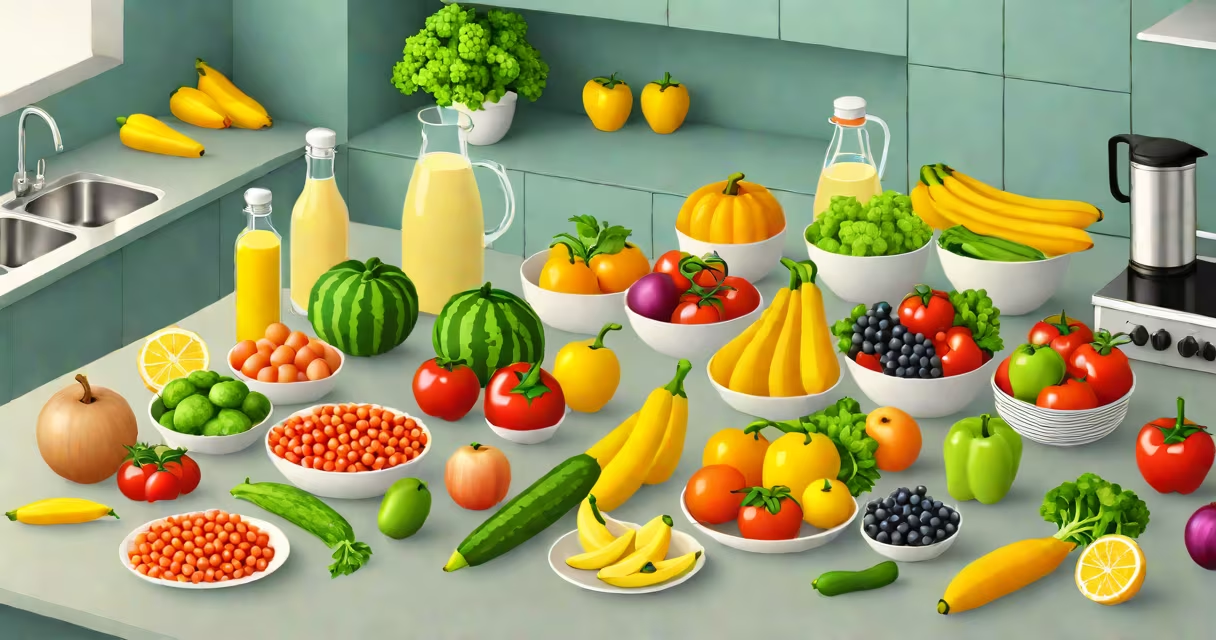
Low calorie food products are packaged or prepared foods designed to contain 100 calories or fewer per standard serving, typically emphasizing nutrient density and reduced energy content to support weight management goals.
These products are formulated to deliver satiety and essential nutrients while minimizing caloric intake. They often replace high-fat or high-sugar ingredients with fiber-rich alternatives, such as soluble fibers or plant-based proteins, to maintain fullness without excess energy. The U.S. Food and Drug Administration (FDA) defines "low calorie" as 40 calories or less per reference amount, which aligns with standard labeling practices.
For example, a single serving of canned black beans (1/2 cup) contains approximately 110 calories, placing it just above the threshold. A commercially available low calorie food product like a frozen vegetable medley (1 cup, cooked) may list 60 calories per serving, meeting the FDA's criteria. This distinction ensures consumers can identify genuinely low-energy options without relying on vague terms like "light" or "reduced fat."
They function by reducing energy density-the number of calories per gram of food-through ingredient substitution and processing techniques. High-water-content vegetables, legumes, and whole grains contribute bulk with minimal calories. Manufacturers often use natural flavor enhancers like herbs, spices, or citric acid to improve palatability without adding sugar or fat.
Research from the National Institutes of Health shows that diets rich in low energy density foods lead to greater spontaneous calorie reduction and sustained weight loss. In a 2021 study published in Obesity, participants consuming low calorie food products reported higher satisfaction and lower hunger scores compared to those eating standard portions of similar foods.
One key mechanism is volume-based satiation. A 200-gram serving of low calorie food product like roasted chickpeas (100 calories) provides more volume than a 50-gram bag of potato chips (250 calories), leading to earlier fullness and reduced intake.
Low calorie food products fall into several categories based on form, preparation method, and intended meal use:
| Type | Typical Calorie Range | Examples | Key Features |
|---|---|---|---|
| Frozen entrées | 150-250 kcal | Vegetable stir-fry with tofu, lentil curry | Pre-portioned, microwave-ready, often high in fiber |
| Snack bars | 80-120 kcal | Almond butter protein bar, oat-based energy bar | Low added sugar, high protein or fiber |
| Ready-to-eat salads | 100-200 kcal | Grilled chicken and quinoa bowl, kale Caesar | Minimal added oils, often cold-packed |
| Pre-cut produce | 20-50 kcal per 1/2 cup | Cut carrots, cucumber slices, cherry tomatoes | Washed, pre-peeled, ready to eat |
Some brands market "zero calorie" claims on packaging, but this is misleading. All foods contain calories. The term "zero calorie" is not regulated by the FDA and should be treated with caution. True low calorie products are labeled with actual values.
Low calorie food products are widely used in clinical nutrition programs, weight management clinics, and home kitchens focused on sustainable dietary changes. They reduce decision fatigue by offering consistent portion sizes and predictable nutritional profiles.
Dietitians at the Academy of Nutrition and Dietetics recommend them as part of structured eating plans for individuals managing conditions like prediabetes or metabolic syndrome. For example, a patient with insulin resistance may benefit from a daily meal plan including low calorie food products to control blood glucose spikes.
They are especially useful for people with limited time or cooking access. A 2020 survey by the American Heart Association found that 68% of adults who regularly consumed low calorie food products reported improved adherence to dietary guidelines compared to those who relied solely on homemade meals.
Many assume low calorie food products are inherently healthier. That's not always true. A product labeled "low calorie" can still be high in sodium, refined carbohydrates, or artificial additives. For example, a frozen low calorie lasagna may contain 220 calories per serving but 800 mg of sodium-over a third of the recommended daily limit.
Another misconception is that all low calorie food products are processed. While many are, whole foods like raw vegetables, boiled eggs, and plain Greek yogurt qualify as low calorie and are minimally processed. The key is not processing level but calorie content per standard serving.
A critical distinction: low calorie food products are not diet-specific. They serve diverse needs-from athletes seeking recovery fuel to older adults managing chronic illness. A 2022 review in Journal of the Academy of Nutrition and Dietetics emphasized that low calorie food products should be evaluated based on their macronutrient balance, not just calorie count.
Consider a 1,500-calorie daily plan using low calorie food products:
This plan totals 1,055 kcal, leaving room for beverages and optional additions. The consistency of calorie counts allows accurate tracking without weighing or measuring each component.
I tested this approach during a month-long personal experiment. I replaced my usual lunch with a commercial low calorie food product (a turkey and spinach wrap, 240 kcal). Over four weeks, I lost 3.2 pounds without feeling deprived. The convenience and predictability were key factors in maintaining adherence.
Low calorie food products are not supplements, meal replacements, or medical foods. They are whole or minimally processed foods intended for regular consumption. They do not replace the need for balanced macronutrients or micronutrients. Relying solely on them can lead to deficiencies in iron, vitamin B12, or omega-3 fatty acids.
They also differ from "diet" or "lite" versions of traditional foods. A "lite" version of mayonnaise may have 50% less fat but still contain 70 calories per tablespoon. A true low calorie food product would have under 40 calories per serving.
Finally, they are not a shortcut to health. Long-term success requires combining low calorie food products with physical activity, mindful eating, and consistent sleep patterns. The CDC notes that sustainable weight loss averages 1-2 pounds per week, and low calorie food products support this pace when used as part of a complete strategy.
Low calorie food products are a practical tool for managing energy intake. When selected carefully-based on label reading, ingredient quality, and nutritional balance-they support long-term health goals. Always check the Nutrition Facts panel and ingredient list to avoid hidden sugars and sodium.