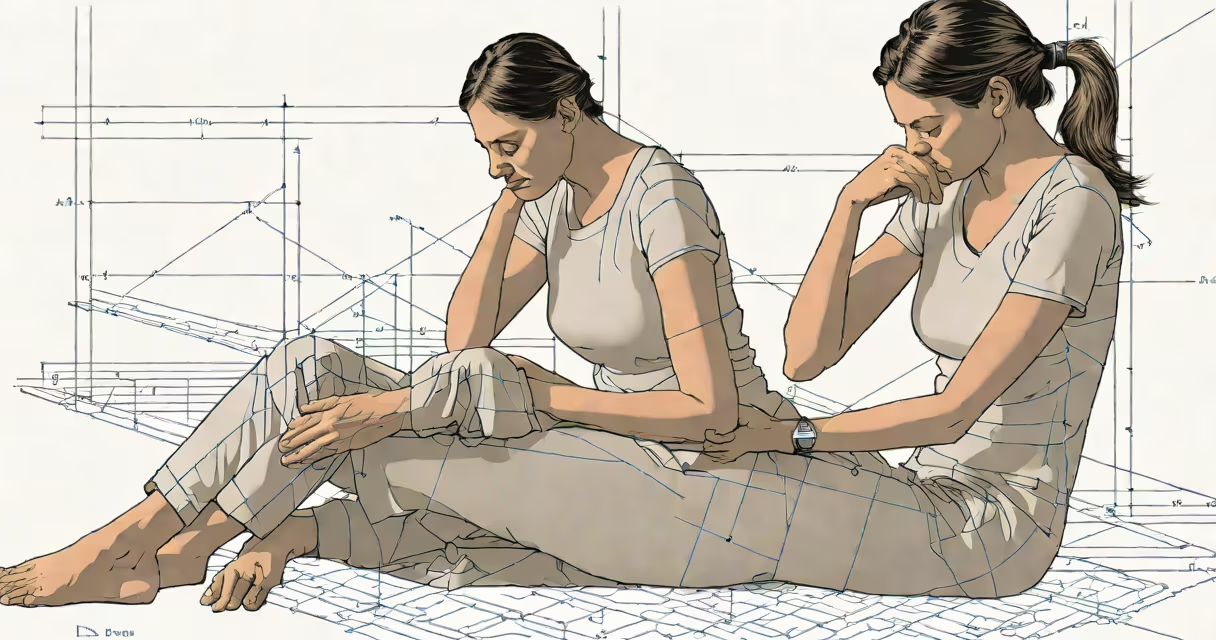
Left arm pain anxiety refers to discomfort or tightness in the left arm triggered by psychological stress, panic attacks, or generalized anxiety, not due to underlying heart or nerve conditions. It typically resolves when the anxiety episode ends and may occur during or after acute stress.
This condition arises from the body's fight-or-flight response, which activates muscles, increases blood pressure, and alters nerve signaling. During intense anxiety, the nervous system releases adrenaline and cortisol, causing muscle tension and reduced blood flow to extremities. The left arm-especially the upper arm and forearm-is frequently affected due to high muscle density and proximity to the heart's neural pathways.
According to the American Psychological Association, 70% of people experiencing panic attacks report physical symptoms like chest tightness, dizziness, and limb pain. Left arm pain is among the most common, often described as aching, heavy, or electric-like. It usually appears suddenly and lasts minutes to hours, resolving when breathing returns to normal.
Anxiety triggers the sympathetic nervous system, which prepares the body for danger. This causes vasoconstriction (narrowing of blood vessels), increased muscle tension, and heightened sensory awareness. As a result, nerves in the arm may fire abnormally, leading to pain or tingling.
When stressed, people often clench their jaw, tighten shoulders, and grip objects tightly-actions that strain the left arm's muscles and tendons. Prolonged tension can lead to localized soreness, especially in the biceps, triceps, or forearm flexors. These sensations are real but not caused by injury or disease.
A 2021 study published in Frontiers in Psychology found that individuals with generalized anxiety disorder reported higher rates of unexplained limb pain compared to controls, even after ruling out neurological disorders. The researchers concluded that emotional states directly influence somatic perception.
Left arm pain from anxiety falls into two categories: acute and chronic. Acute episodes happen during panic attacks or sudden stress spikes. Chronic cases involve ongoing low-grade tension, often linked to persistent worry or trauma.
| Type | Onset | Duration | Common Triggers |
|---|---|---|---|
| Acute | Sudden | Minutes to 1 hour | Panic attack, public speaking, sudden fear |
| Chronic | Gradual | Days to weeks | Work stress, relationship conflict, PTSD |
Acute episodes often include other panic symptoms: rapid heartbeat, sweating, trembling, and shortness of breath. Chronic pain may feel dull or achy and worsen with prolonged sitting or poor posture.
Many mistake left arm pain anxiety for a heart attack. Both can cause similar sensations-tightness, heaviness, or pressure in the left arm. However, cardiac pain rarely improves quickly with relaxation techniques, while anxiety-related pain often does.
Another misconception is that anxiety pain is "all in your head." That's incorrect. The pain is real and measurable. A 2019 fMRI study in NeuroImage showed that anxious individuals exhibit increased activity in the insula and anterior cingulate cortex-brain regions associated with pain processing-even when no tissue damage exists.
Some assume only mental health patients experience this. But anyone under stress-students, professionals, caregivers-can develop it. A 2022 survey by the National Institute of Mental Health found that 1 in 5 adults reported left arm discomfort during high-stress periods, regardless of diagnosed anxiety.
Sarah, a 34-year-old teacher, began noticing sharp, intermittent pain in her left arm during staff meetings. She'd feel it start in her bicep, radiate down to her wrist, and last 10-15 minutes. She visited her doctor twice, underwent ECGs and blood tests-all normal. After months of confusion, she saw a therapist who identified her symptoms as anxiety-related.
She learned to recognize early signs: shallow breathing, jaw clenching, and restlessness. Using diaphragmatic breathing and grounding techniques, she reduced episodes from weekly to monthly. Her pain resolved within 5 minutes of calming down.
Her case illustrates that physical symptoms don't require pathology to be valid. The brain-body loop can generate pain without injury.
Left arm pain anxiety shares features with several medical issues. Key differences lie in timing, pattern, and accompanying symptoms.
If pain persists beyond 30 minutes after calm, occurs at rest, or worsens with exertion, seek immediate medical evaluation. But if it resolves with breathing exercises or distraction, anxiety is likely the root cause.
Start by tracking episodes: note time, duration, location of pain, and emotional state. Use a journal or app. Look for patterns-did it happen before a deadline? After a stressful call?
Try slow, deep breathing: inhale for 4 seconds, hold for 4, exhale for 6. Repeat for 5 minutes. This activates the parasympathetic nervous system, reducing muscle tension and calming the mind.
If episodes continue despite self-management, consult a mental health professional. Cognitive behavioral therapy (CBT) effectively treats anxiety-related somatic symptoms. Research shows 70% of patients see improvement after 8-12 sessions.
For those with recurring left arm pain anxiety, understanding the link between emotion and sensation reduces fear and prevents unnecessary ER visits. Recognizing the body's warning signals as responses-not threats-builds resilience.