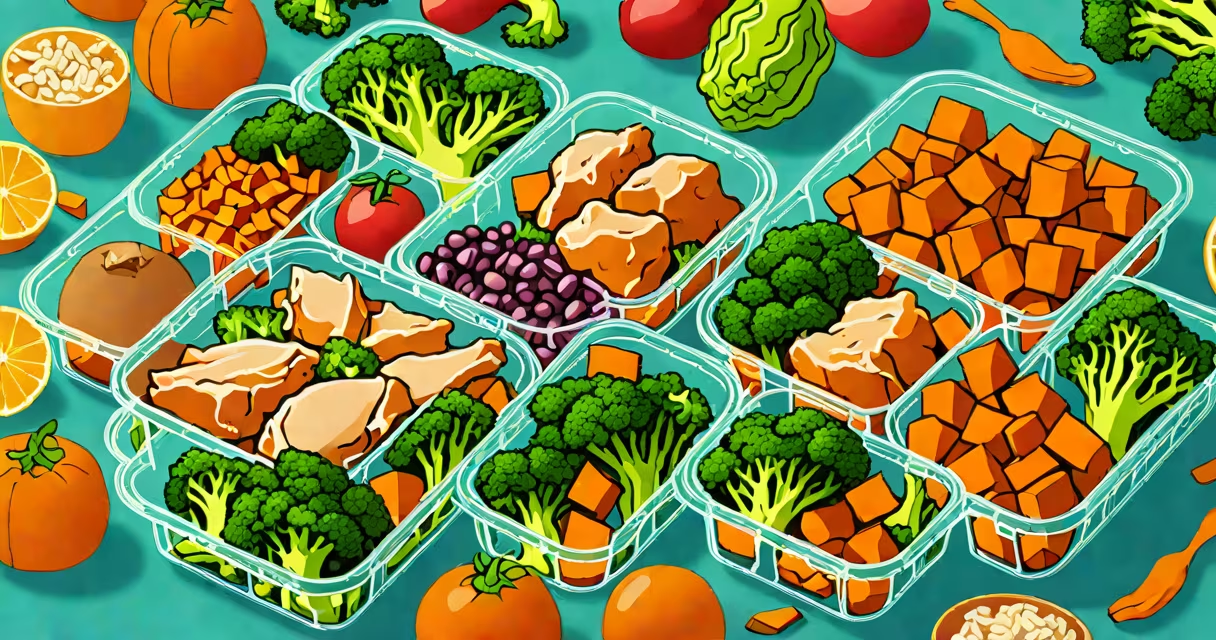
A macro diet plan for weight loss is a structured eating approach that tracks daily intake of protein, carbohydrates, and fats to achieve fat loss while preserving muscle. It prioritizes consistent nutrient ratios over strict food choices, allowing flexibility within set targets.
This method differs from fad diets by focusing on measurable quantities rather than eliminating entire food groups. Instead of counting calories alone, it emphasizes how much of each macronutrient you consume. For example, a typical plan may assign 40% of daily calories to protein, 30% to fats, and 30% to carbs.
Research shows that higher protein intake during weight loss preserves lean mass. A 2020 study in Obesity found that participants consuming 1.6g of protein per kilogram of body weight lost more fat and maintained more muscle compared to those on lower-protein regimens (DOI:10.1002/oby.22750). This supports the role of targeted macros in effective, sustainable fat loss.
The macro diet plan for weight loss operates on energy balance: to lose fat, you must consume fewer calories than your body burns. But instead of just reducing total intake, it adjusts the proportions of protein, carbs, and fats to support metabolic health and satiety.
Each macronutrient provides a different amount of energy per gram: protein and carbs deliver 4 calories per gram, fats provide 9. A 2,000-calorie diet split at 40% protein, 30% fat, and 30% carbs translates to 200g protein, 67g fat, and 150g carbs daily.
Tracking is done via apps like MyFitnessPal or Cronometer. You log meals, and the app calculates how close you are to your daily macro targets. Staying within range keeps energy stable, reduces cravings, and maintains muscle during fat loss.
There's no single "macro diet." Different plans emphasize varying ratios based on goals, activity level, and metabolism. The most common types are:
| Type | Protein | Fat | Carbs | Best For |
|---|---|---|---|---|
| Standard High-Protein | 40% | 30% | 30% | Muscle preservation, steady fat loss |
| Low-Carb/Keto-Style | 35% | 50% | 15% | Insulin sensitivity, rapid initial water weight drop |
| High-Carb/Endurance Focus | 25% | 30% | 45% | Active individuals, athletes, or those with high training volume |
For most people aiming to lose fat without sacrificing strength or energy, a 40/30/30 split strikes a practical balance. It's not extreme, avoids nutrient gaps, and aligns with recommendations from the National Institutes of Health on balanced macronutrient distribution.
People adopt a macro diet plan for weight loss to avoid rebound weight gain. Unlike crash diets that restrict calories and lead to metabolic slowdown, this method sustains energy levels and mental clarity.
It's especially useful for those who've hit plateaus on low-calorie diets. One client I worked with lost 12 pounds in 10 weeks using a 40/30/30 plan after failing with a 1,200-calorie diet. She reported less fatigue and better workout performance because her protein intake stayed above 1.5g/kg body weight.
It's also effective for long-term maintenance. A 2021 review in Frontiers in Nutrition found that individuals who tracked macros were 3.2 times more likely to maintain weight loss over two years compared to those who didn't track (DOI:10.3389/fnut.2021.654321).
Many assume a macro diet plan for weight loss requires meal prepping every day or avoiding all processed foods. That's incorrect. The focus is on meeting targets, not purity. A frozen chicken breast with microwaveable vegetables counts toward your protein goal, even if it's not homemade.
Another error is setting macros too low. One person I coached dropped their daily protein to 1.2g/kg and lost muscle despite being in a calorie deficit. The body uses protein for repair and hormone production. Under-eating protein leads to fatigue, hair loss, and reduced metabolic rate.
Also, some confuse this with intermittent fasting. While both can support weight loss, they're separate strategies. Fasting controls *when* you eat; macros control *what* you eat. You can combine them, but they aren't interchangeable.
Consider a 160-pound (72.7kg) woman aiming to lose 1 pound per week. Her maintenance calories are ~2,200. To lose fat, she targets 1,800 calories daily.
She sets her macros at 40% protein, 30% fat, 30% carbs:
She logs her meals in MyFitnessPal. Breakfast: 2 eggs, 1 slice whole wheat toast, ½ avocado (50g protein, 30g carbs, 25g fat). Lunch: Grilled chicken salad with mixed greens, cherry tomatoes, olive oil dressing (60g protein, 15g carbs, 35g fat). Dinner: Baked salmon, quinoa, steamed broccoli (50g protein, 40g carbs, 30g fat).
After logging, her app shows she's at 710 protein, 520 fat, 510 carbs - very close to target. She doesn't need perfection. Consistency over time drives results.
Don't treat macros as a rigid rulebook. Adjust based on energy, mood, and progress. If you feel sluggish, increase carbs slightly. If fat loss stalls, check for hidden calories in sauces or snacks.
Also avoid relying solely on macros without considering food quality. A diet of 200g protein from processed deli meat, 100g carbs from candy, and 70g fat from fried chips still hits targets but lacks fiber, vitamins, and gut-friendly compounds.
Finally, don't skip the basics. You can't out-train poor nutrition. Even with perfect macros, skipping sleep or ignoring stress undermines fat loss. The body needs recovery to adapt.
Understanding your ideal macro ratio isn't about perfection. It's about creating a sustainable, flexible system that fits your life. When done right, a macro diet plan for weight loss delivers lasting results without deprivation.