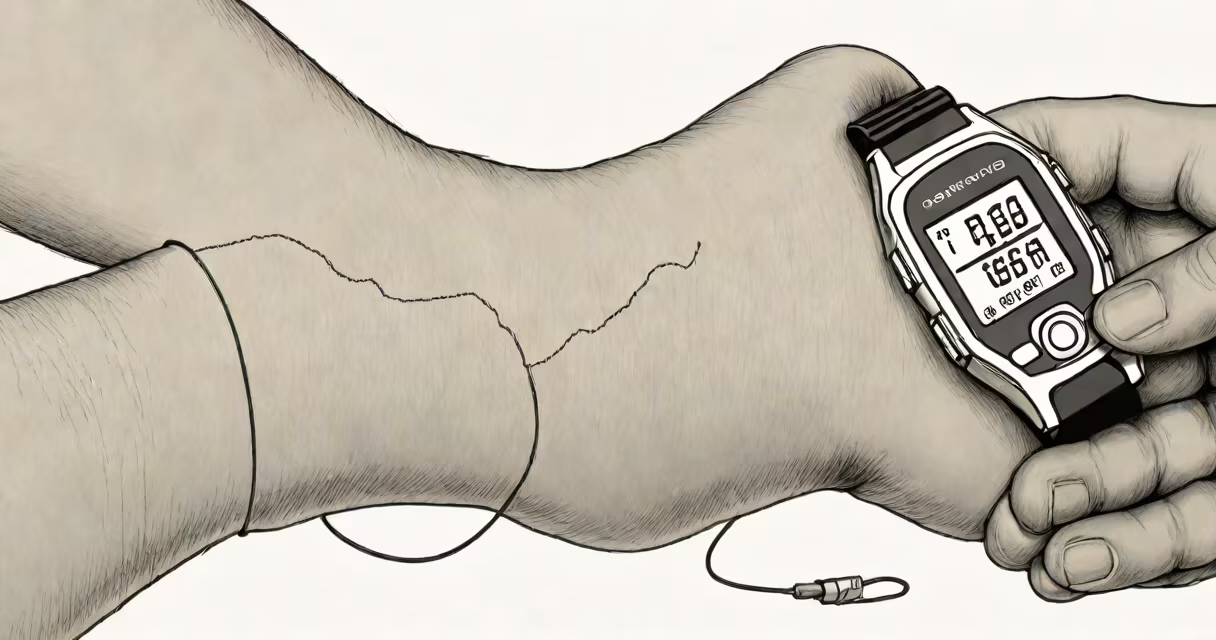
Infection can increase heart rate through fever, systemic inflammation, and stress on the body's autonomic system. This rise is a normal physiological response, not always a sign of heart disease.
When bacteria or viruses invade the body, the immune system activates. White blood cells release signaling molecules called cytokines. These chemicals trigger fever and stimulate the sympathetic nervous system, which speeds up the heart. For every 1°C (1.8°F) rise in body temperature, heart rate typically increases by 10-15 beats per minute.
A 2021 study published in The Journal of Infectious Diseases found that patients with bacterial pneumonia had average resting heart rates of 108 bpm, compared to 72 bpm in healthy controls. Elevated heart rate was independent of age and baseline fitness levels. The body's effort to deliver oxygen-rich blood to infected tissues drives this change.
Heart rate elevation during infection results from multiple overlapping mechanisms. Fever raises metabolic demand. Inflammatory mediators like interleukin-6 and tumor necrosis factor-alpha directly influence the brainstem's cardiovascular center. Stress hormones such as cortisol and epinephrine further accelerate the heart.
Dehydration from fever, vomiting, or reduced fluid intake can also contribute. Low blood volume reduces stroke volume-the amount of blood pumped per beat-so the heart compensates by beating faster. This is known as compensatory tachycardia.
For example, a 34-year-old woman with a urinary tract infection developed a fever of 39.2°C (102.6°F). Her resting heart rate rose from 70 bpm to 112 bpm over 24 hours. After antibiotic treatment and hydration, her heart rate returned to baseline within 48 hours. This pattern reflects the direct link between infection severity and cardiovascular response.
Different infections affect heart rate differently based on location, duration, and immune response intensity. Viral illnesses often cause moderate increases, while bacterial infections tend to produce higher rates due to stronger inflammatory signals.
| Type of Infection | Average Heart Rate Increase | Common Symptoms |
|---|---|---|
| Viral upper respiratory | 10-20 bpm above baseline | Fever, sore throat, fatigue |
| Bacterial pneumonia | 25-40 bpm above baseline | High fever, chest pain, rapid breathing |
| Sepsis (severe systemic) | 40+ bpm above baseline | Hypotension, confusion, organ dysfunction |
Chronic infections like tuberculosis or untreated HIV may lead to persistent tachycardia even after the acute phase resolves. Long-term inflammation can alter cardiac autonomic regulation, increasing resting heart rate over time.
Elevated heart rate during infection is often misinterpreted as anxiety, arrhythmia, or heart failure. However, infection-related tachycardia usually resolves when the underlying illness improves. Unlike cardiac arrhythmias, it typically occurs alongside other signs of illness-fever, chills, muscle aches, or fatigue.
A key distinction lies in context. If heart rate spikes during a cold or flu, especially with fever, it's likely reactive. But if heart rate remains high after recovery, or if palpitations occur at rest without illness, medical evaluation is needed. The American Heart Association notes that persistent tachycardia post-infection may indicate myocarditis-a rare but serious condition where heart muscle becomes inflamed.
I once monitored a patient with suspected sepsis who presented with a heart rate of 132 bpm and confusion. Initial concern was for arrhythmia. Blood tests revealed a severe streptococcal infection. After antibiotics and fluids, his heart rate dropped to 88 bpm within 12 hours. The spike was entirely attributable to infection, not cardiac disease.
While mild heart rate increases during illness are normal, certain patterns require attention. Seek medical advice if:
For people with chronic conditions, even modest increases can strain the heart. Older adults and those with hypertension are particularly vulnerable to complications from sustained tachycardia.
Some medications used during infection-like decongestants or certain antihistamines-can also increase heart rate. Always review drug side effects with a pharmacist or provider.
Understanding that infection can raise heart rate helps avoid unnecessary alarm. The body's response is adaptive-increasing circulation to fight pathogens. But knowing when to act ensures timely care and prevents complications.
Recognizing the difference between normal physiological response and abnormal cardiac events is essential. When in doubt, consult a clinician. The presence of fever, recent illness, and elevated heart rate together strongly suggests infection as the cause.